

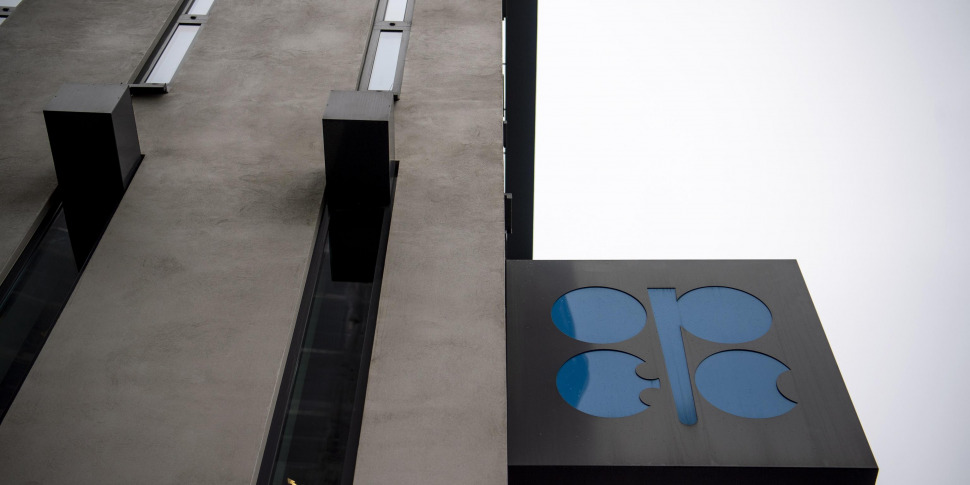
OPEC loses another piece. The United Arab Emirates have decided to leave the Organization of the Petroleum Exporting Countries and OPEC+ (which includes ten other countries including Russia) starting from May 1st, thus changing the face of the black gold market. Their exit follows a series of abandonments in recent years: Angola (2024), Ecuador (2020) and Qatar (2019).
Abu Dhabi’s decision, after 60 years of belonging to the cartel, marks a historic turning point guided by the country’s desire to “concentrate efforts on what the national interest requires” and therefore pursue strategic energy autonomy. It also arrives at a particular time, with the global oil industry dealing with the massive interruption of supplies caused by the war in Iran and the blockade of Hormuz, and therefore represents a severe blow for the organization given that the Emirates are the third largest producer in the group.
According to some official data, in 2022 the country produced 4 million barrels per day, more than 4% of the global total.
Abu Dhabi’s departure also follows years of tensions with neighboring Saudi Arabia, the de facto leader of OPEC, both over production policy and a competition for political influence in the region. In recent years the two countries have clashed in OPEC+ meetings, with the Emirates aiming to increase oil production and Riyadh continuing to impose cuts. According to analysts, the immediate impact of the UAE’s exit from OPEC will be “probably limited” because the war between the United States and Iran is “choking” oil exports from the Persian Gulf, forcing the Emirates, Saudis, Iraq and others to drastically cut production rather than increase it. With the exit of the UAE, the list of OPEC countries is reduced to 11 members: Saudi Arabia, Iran, Iraq, Kuwait, Venezuela, Algeria, Republic of the Congo, Gabon, Guinea Equatorial, Libya and Nigeria.
Abu Dhabi’s move “is an indication of how the war in Iran will reshape global energy markets in the years to come”, analysts underline. In fact, while by belonging to OPEC countries must respect the cartel’s decisions on quotas and production levels, by leaving the organization the Emirates are now completely free to decide their own oil policy, therefore how much to produce, and react more quickly to market demands, without being bound by a collective decision-making process.
The surprise announcement came as diplomacy continues to work to try to break the deadlock that has arisen over the war. Pakistan’s mediators, CNN reports, expect a new proposal from Tehran within days after Trump made it known that he had rejected the previous version. The commander-in-chief and his advisors were skeptical of Iran’s offer to reopen the Strait of Hormuz and postpone nuclear negotiations to a second phase. The American administration did not reject the proposal categorically, but neither did it hide its serious doubts about Iran’s good faith and Tehran’s intention to put an end to uranium enrichment and commit not to develop a nuclear weapon. According to the White House, a limited extension of the timeframe could push Iran to be more reasonable at the negotiating table. Without the possibility of storing crude oil in containers or loading it onto ships, the Iranian oil system is in fact probably destined to implode soon, and the Tehran regime wants to avoid this. «Iran has just informed us that it is in a state of collapse. They ask us to open the Strait of Hormuz as soon as possible,” Trump reported on Truth, showing his intention to maintain the tightening. However, the president appears convinced to pursue the path of diplomacy with Iran, even if the option of an attack on the infrastructure should the negotiations fail has not been completely discarded. However, Iran is not the only one to feel the pressure of time passing by. For the American president, the deadline of May 1st, when the 60 days within which to request authorization from Congress for the war in Iran expires, is now upon us. And at the moment there are no indications that the White House intends to turn to Capitol Hill despite the pressure from the Republicans. The president also has to deal with internal tensions within the administration over the conflict: JD Vance, renowned for his opposition to war overseas, has raised doubts about the Pentagon and its management of the war. The vice president is concerned by the accuracy of the information provided by the Department of Defense and, above all, by what appears to be a drastic depletion of missile and ammunition supplies. For Vance, resolving the conflict is a priority: the vice president’s candidacy and the probable Republican nomination for the 2028 presidential elections are being played on Iran. His closest rival, Secretary of State Marco Rubio, has so far kept away from the Iranian dossier, almost aware of the risks. A choice that shielded him from criticism and boosted his odds for the White House.