

Add the Gazzetta del Sud as a source
Having entered into full swing with the third day, the Trame festival continues to enrich the center of Lamezia Terme with one meeting after another, to delve, more specifically, into the dynamics of legality and democracy within territories and local authorities. But not only that. As the festival of books on the mafia has always accustomed us, those moments also arrive, some books, certain experiences which, in addition to giving input for reflection on some precise aspects of the criminal universe, also give a strong shock in terms of disdain, if not outright repulsion.
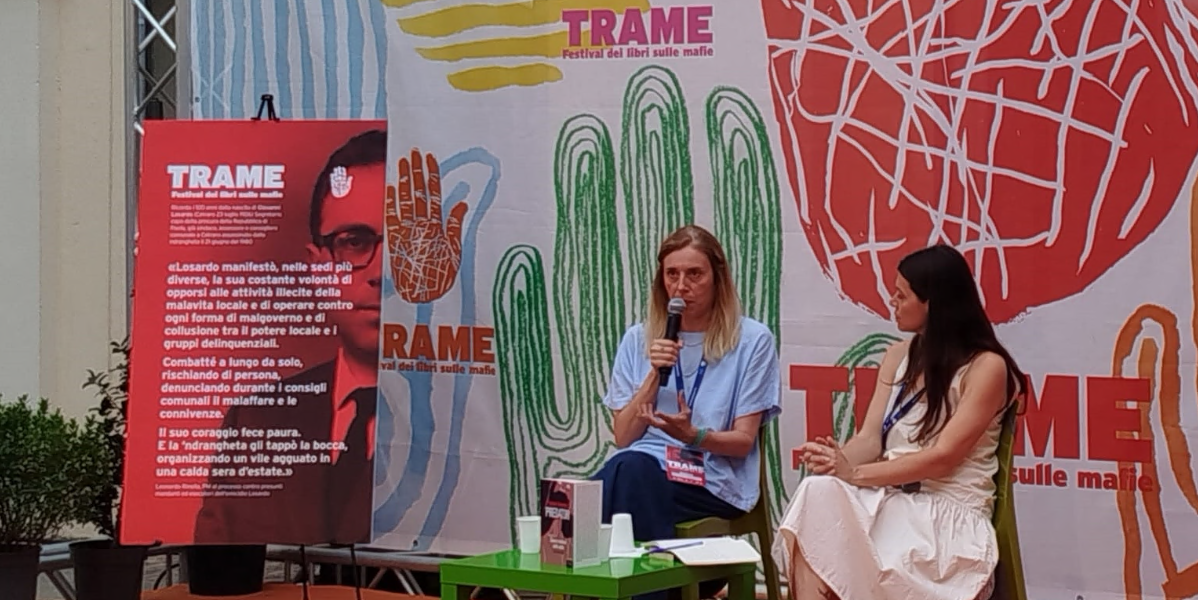
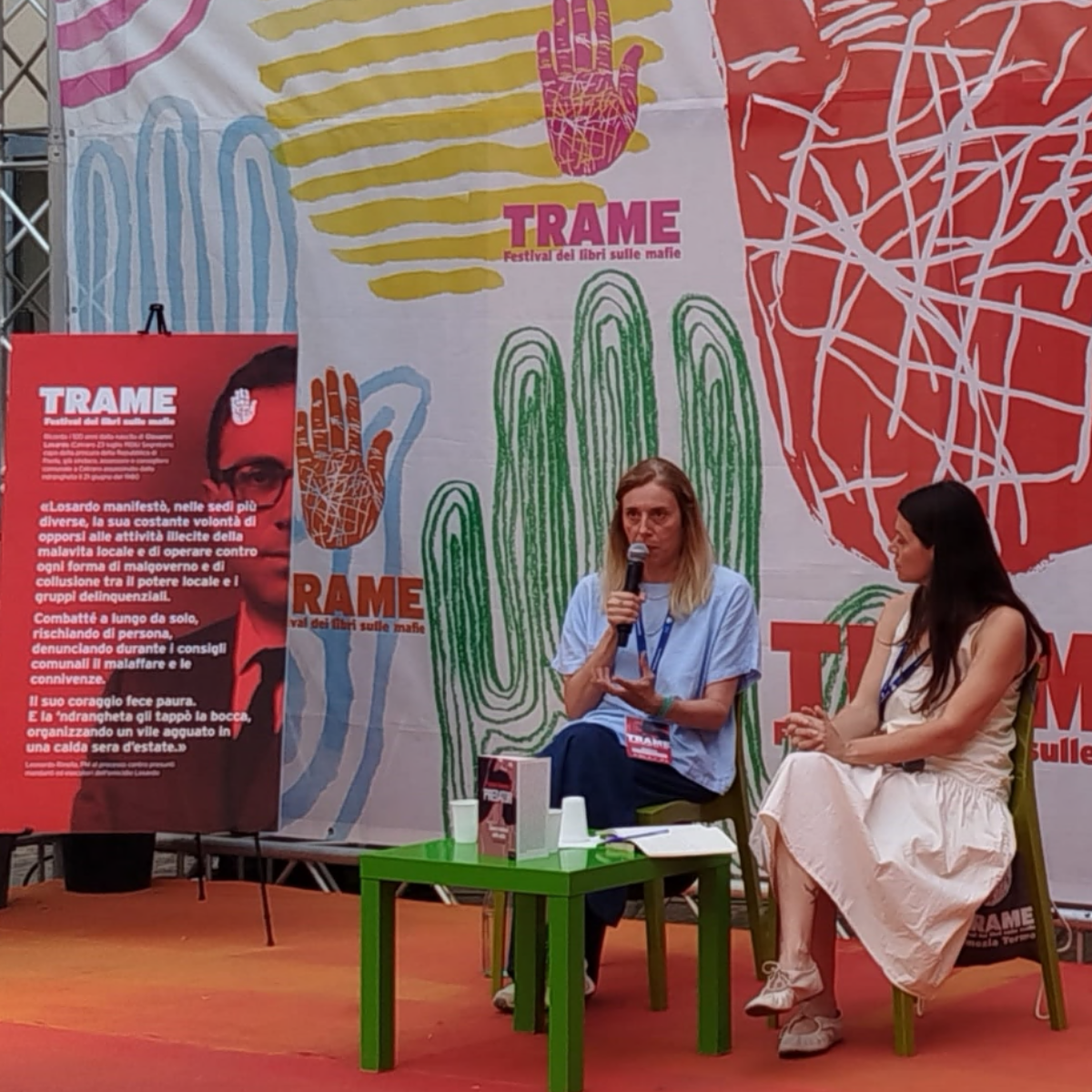
In short, if we really needed to be reminded, some stories are a big punch in the stomach. This is the case of the book by Celeste Costantino, former member of parliament, activist particularly involved in raising awareness of gender violence, who in her book “Predatori. Sex and violence in the mafia” (ed. Fandango, 2025) collected thirteen terrible stories that give us precise reflections on the relationship between the mafia and patriarchal culture. Probably not among the first “spheres” that come to mind when we talk about the mafia, camorra or ‘ndrangheta but also for this reason, precisely, the stories of the many women, of the many underage girls, of the many victims of rape, abuse, violence, feminicide and… silence need to be brought to light in all their crudeness, because they remind us how anachronistic and aberrant the idea of a mafia that is linked to certain “values”, certain false myths that until not long ago still struggled to be deconstructed (that of “you don’t touch women and children”, for example).
«The book was born many years ago – says Costantino – when I was part of the anti-mafia commission. In 2016, news came of a girl from Melito di Porto Salvo who, at the age of 13, had been raped for 3 years by a pack of boys from her town. This pack was led by the son of the local boss. The story brought to mind another comparable event, which occurred six years earlier in San Martino di Taurianova, here too the victim, a 13-year-old girl, had suffered gang rapes committed by young people affiliated with a gang for 3 consecutive years. Equal dynamics, the girl thinks of starting a love relationship, approached by a boy older than her, on their third meeting a group of her friends shows up and this first rape begins, which is then filmed with the smartphone in order to threaten to spread the images or harm the people closest to her.”
Celeste Costantino continues to say that just when she was ready to deliver the drafts of her book to the publishing house, the news of Seminara arrived, the case of the girl who, invited by the police to report the rape, was immediately subjected to her family who ordered her to “deny everything”. A “pain within the pain”, if we can say so, because as Costantino says “there is the theme of secondary victimization which has to do with the communities with which these girls found themselves”. Terrible stories that also allow us to reflect on the fragility of criminal mentalities. «They call themselves men of honor – adds Costantino – they have appropriated the word “respect” but in their construction of this imagery there is the fact that it must be done through women’s bodies. In some way they sublimate something that already exists in society to the point of taking it to extreme consequences. Today, apart from Vannacci, no one would say that feminicide does not exist. “They” claim this thing because it is part of “that honor” that must be safeguarded.” Also for this reason, in repeating the long list of mafia victims every 21st March, the many names of the women are above all of ordinary women, victims of criminal systems, women who, if they become collaborators of justice, also do so because they want to live and make a new life.
From violence against bodies to administrative infiltrations, the subtle ones, difficult to counter, the ones that pollute too many local authorities and not only in the South. The Trame afternoon began with a meeting for the thirty years of “Viviso Pubblico”, the now historic association that brings together regions, provinces and municipalities, with the aim of preventing and combating mafias and corruption. For the occasion, mayors and institutions were present, including the Undersecretary of State for the Interior, Wanda Ferro, who began by thanking Trame and recalling the recent good news on the reopening of the investigation into the still unsolved murder of the two street cleaners from Lamezia, Tramonte and Cristiano. «I am convinced by the great cultural action in different fields – said Ferro on Notice Publico – in informing administrators, in accompanying them in the idea of indignation, of denunciation. Beyond the rules – he reiterated – it is not the rule that can change history, we all change it together, each for our own part.” And again, ideas on laws and dissolutions, «We are working to keep up with articles 142 and 143 of the Tuel, it is a great text but it refers to municipalities from twenty years ago. In many regions the dust has been swept under the carpet, but the State must be ever faster, ever further ahead.” In conclusion, the great hope for Wanda Ferro: when it comes to legality there is no political affiliation, but one and only culture that must unite everyone.
In the evening, Piazzetta San Domenico was filled for the meeting with the Prosecutor of Catanzaro, Salvatore Curcio, and the journalists Pietro Comito and Arcangelo Badolati.