

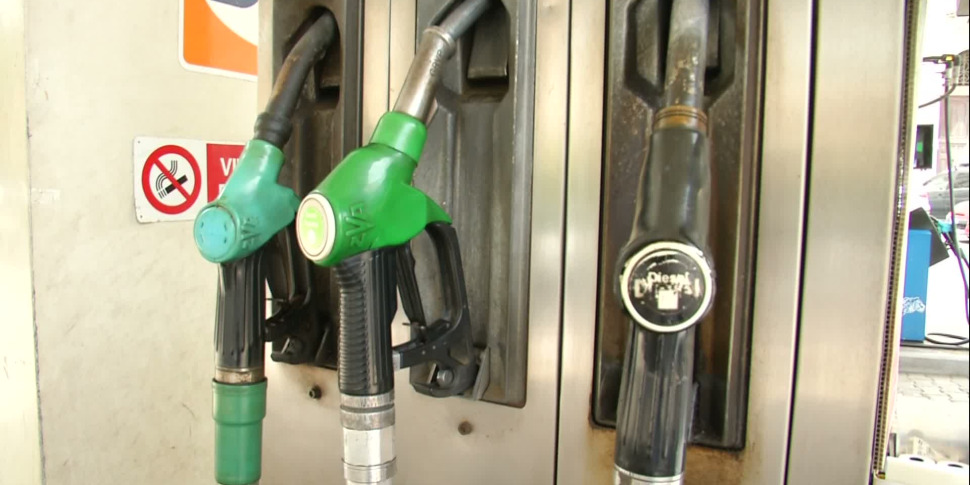
With the same consumption compared to 2025, in 2026 the high cost of fuel risks weighing on the pockets of Italians by over 1.1 billion euros more every month, equal to 13.6 billion euros for the entire year. An economic burden of significant dimensions, which could seriously jeopardize the budgets of many families and the competitiveness of an equally large number of businesses. These are very heavy increases which, according to the CGIA Research Office, the measures adopted by the government have so far failed to offset. Despite having allocated over 2.35 billion euros to contain the pump price of petrol and diesel, the impact of the increases continues to be far greater.
In purely theoretical terms, the 2.35 billion in excise duty cuts introduced so far for 2026 have sterilized the increases of only 2 months out of 12. After Parliament’s approval of the government’s resolution, which announced its intention to ask the European Commission to activate the safeguard clause to exclude energy expenditure from the constraints of the Stability Pact, similarly to what will happen for defense expenditure, the phase of discussion with Brussels now begins. If the green light is given, the additional resources – almost 14.5 billion euros to be spent over three years – will however not be available before next autumn and will be financed through a further increase in public debt.
The request made by the government is certainly acceptable. However, it raises a doubt, explains the CGIA according to which, although they are intended to finance interventions to accelerate the ecological transition and not price reduction measures, faced with the urgency of supporting families and companies struggling with the high cost of fuel and the burden of bills, is it really inevitable to resort to new debt? Couldn’t an alternative path, according to the CGIA Research Office, be to intervene on public spending? In 2026, net of interest, state expenditure will reach the record level of almost 1,090 billion euros: a reduction of even just 1 percent would free up almost 11 billion euros, resources that could be used to contain increases in the prices of petrol, diesel, electricity and gas. It is true that a substantial part of this expenditure has already been committed and no one, least of all us, has in mind to intervene by cutting the welfare state. Nothing else would be missing. However, there are still budget chapters on which it would be possible to intervene, cutting waste and inefficiencies, thus avoiding passing on the entire cost of the energy emergency to future generations through a new increase in debt.