

In 2025 the tax burden rose to 42.9% of GDP, up 0.7 percentage points compared to 2024. This was revealed by Istat by disseminating statistics on the national economic accounts.
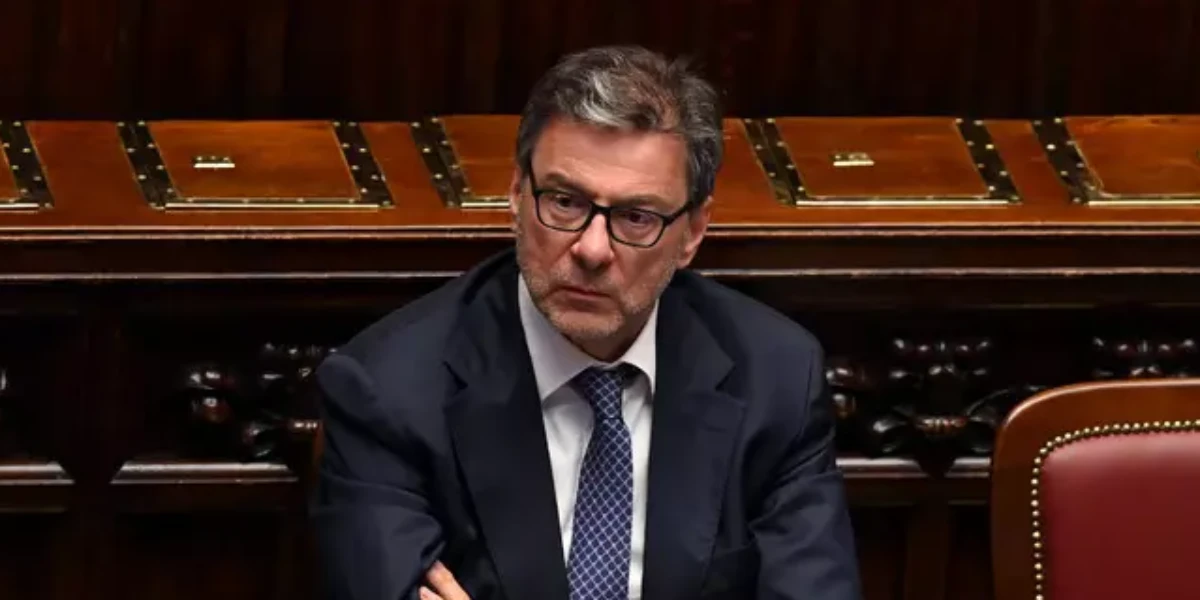
«We take note, not without regret, of the definitive data expressed by Istat on the 2025 Deficit-GDP ratio. Unfortunately, Italy will not exit the infringement procedure for excessive deficit early this year, as we had hoped, but, consistently with the data already expressed in the DFP, this could happen in 2027». Thus in a note the Minister of Economy and Finance Giancarlo Giorgetti on the 2025 GDP deficit released today by Istat.
Istat revises the 2025 debt downwards, to 136.7%
The debt in 2025 is equal to 136.7% of GDP, increasing from 134.2% in 2024. This is what emerges from the data contained in the Istat note on the National Economic Accounts 2010-2025, which shows a downward revision of last year’s figure, compared to the previous estimate in April (137.1%). The tables show a downward adjustment also for the 2024 debt (in April it was estimated at 134.7%). The data for the previous two years has also been reduced: the 2023 figure is revised to 134% (from 133.9%), that of 2022 to 138.3% (from 138.4).
Tridico: “The government has failed on deficit and taxes”
«Taxes and skyrocketing debt. The latest Istat data are a cold shower for the government. Italy does not emerge from the infringement procedure for excessive deficit and this despite a record fiscal pressure of 42.9%, an increase of 0.7 percentage points. The Giorgetti cure is a therapeutic fury that leaks from all sides.” Thus in a note Pasquale Tridico, head of delegation of the 5 Star Movement in the European Parliament.
«The ones who pay the costs are the citizens and businesses trapped in the straitjacket of austerity that the government itself sewed after approving the terrible reform of the Stability Pact in Brussels. Cutting car tax will not be needed to distract public opinion from the failure of this government’s economic policy. – he continues – We need to turn the page by relaunching public investments and focusing on tax cuts for families in economic difficulty and for small and medium-sized companies: they have failed, let them step aside”.