

Add the Gazzetta del Sud as a source
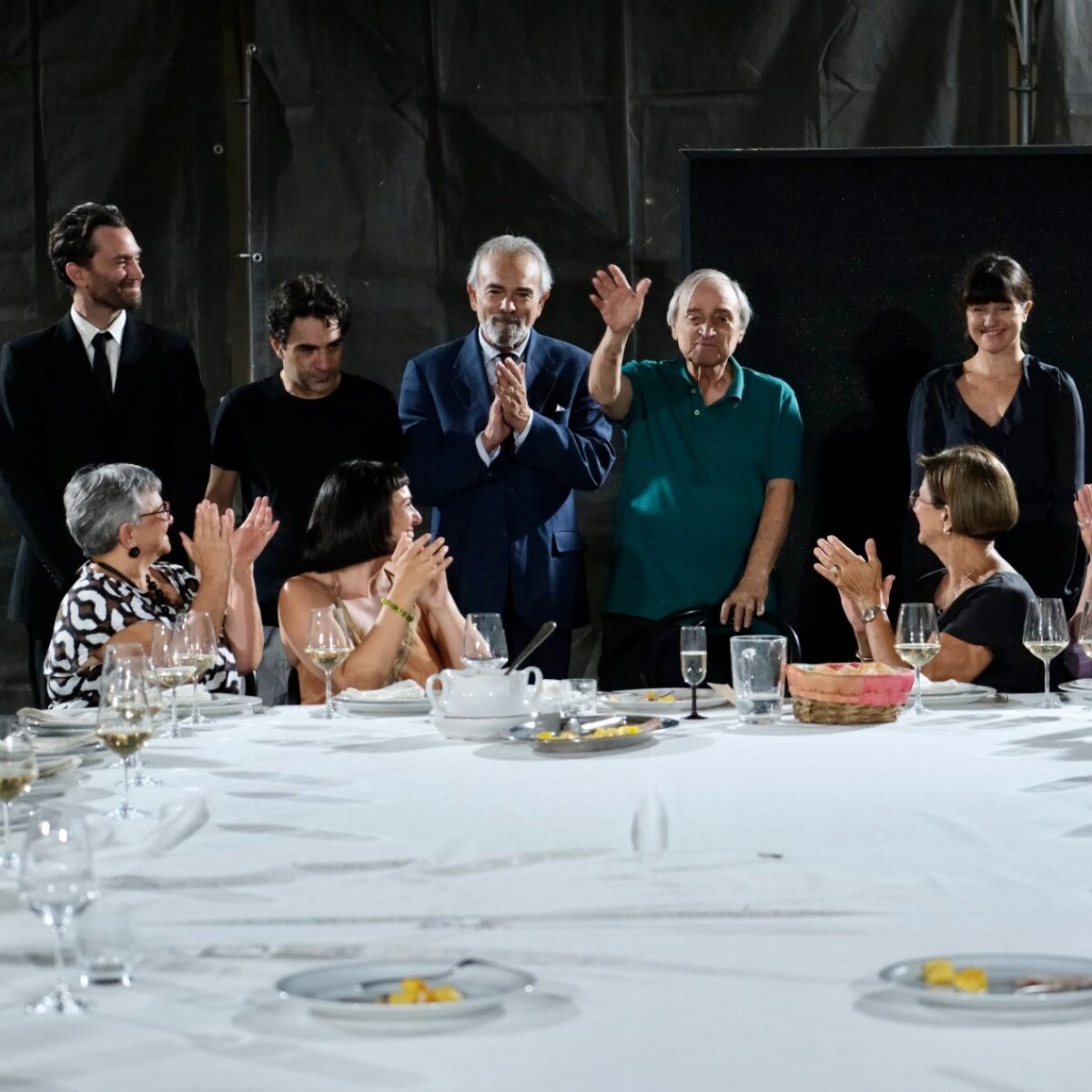
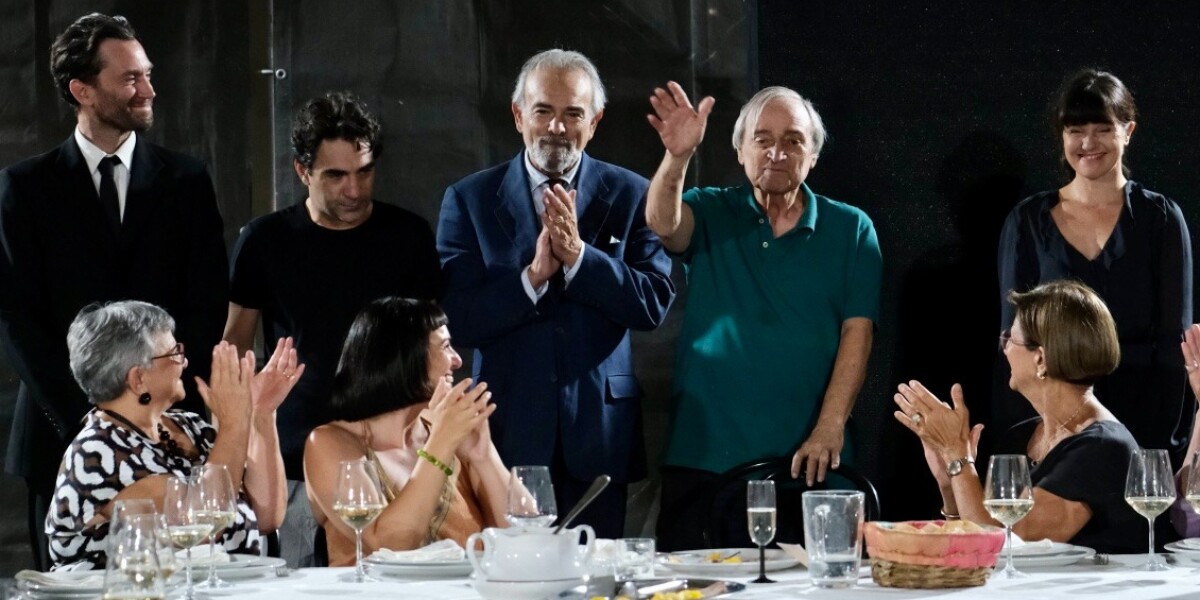
A set table, the actors and the audience sitting together, without a separation between stage and audience. From Wednesday 30 September to Sunday 4 October at Palazzo Corvaja, the Taormina Arte Sicilia Foundation presents “La Cena”, a theatrical project directed by Walter Manfrè, text by Giuseppe Manfridi, with Andrea Tidona, Chiara Condrò, Stefano Skalkotos and Giulio Pampiglione. The show, produced by Zerkalo Compagnia Teatrale, is included in the program of the Taormina Arte 2026 International Festival, with the artistic direction of Simona Celi.
The show today also becomes a tribute to Walter Manfrè, who recently passed away, and to a theatrical research that made the direct involvement of the spectator one of its distinctive elements. The Dinner is, in fact, one of the central shows of that path defined by the critic Ugo Ronfani as “Person Theatre”, in which the traditional distance between audience and performance is canceled out and the spectator is assigned a role within the drama, without being able to modify its progress.
Around a sumptuously set table there are 30 spectators and three actors: the public thus becomes invited to a dinner of which they will be a close witness, without being able to intervene in the course of events. A convivial situation only in appearance, destined to progressively transform as mysterious family affairs emerge, events from the past and present and a growing tension which constitutes one of the key elements of the show.
Written by Giuseppe Manfridi at the request of Manfrè himself, La Cena debuted in Rome in 1992 and over the years it has been performed in some of the most important Italian theatres, from the Nazionale in Milan to the Delle Arti in Rome and the Niccolini in Florence, also arriving at Taormina Arte, as well as in villas, hotels and historic homes.
The choice to propose it today in Taormina thus takes on a particular meaning: it is a tribute to Walter Manfrè and his idea of theater capable of transforming the spectator from an external observer to a presence within the scenic experience.
In Manfrè’s conception, in fact, the ceremonial of the dinner progressively becomes part of the dramaturgy: the table, initially a place of conviviality, transforms before the eyes of the spectators while the boundary between ritual and representation becomes increasingly subtle.