

Add the Gazzetta del Sud as a source
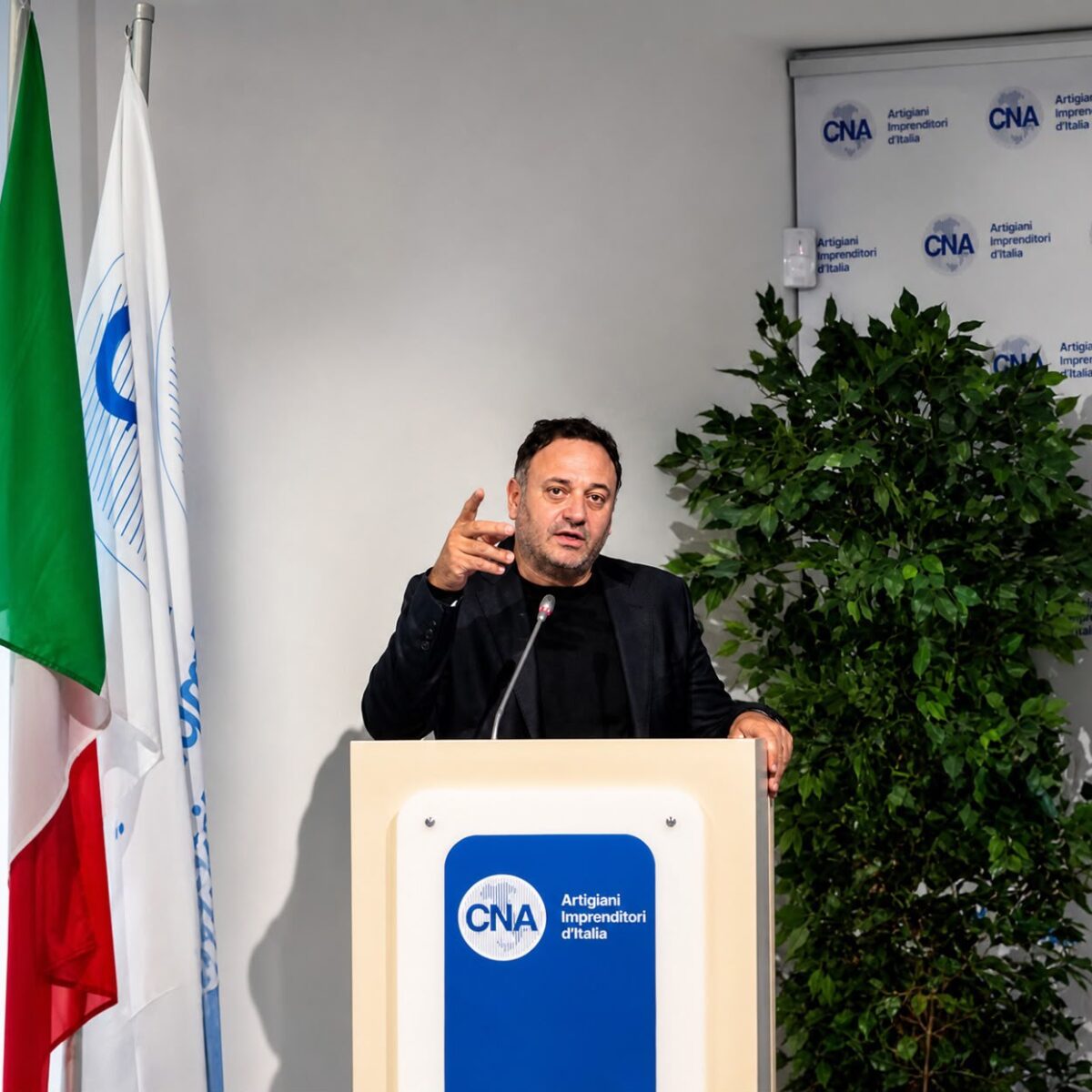
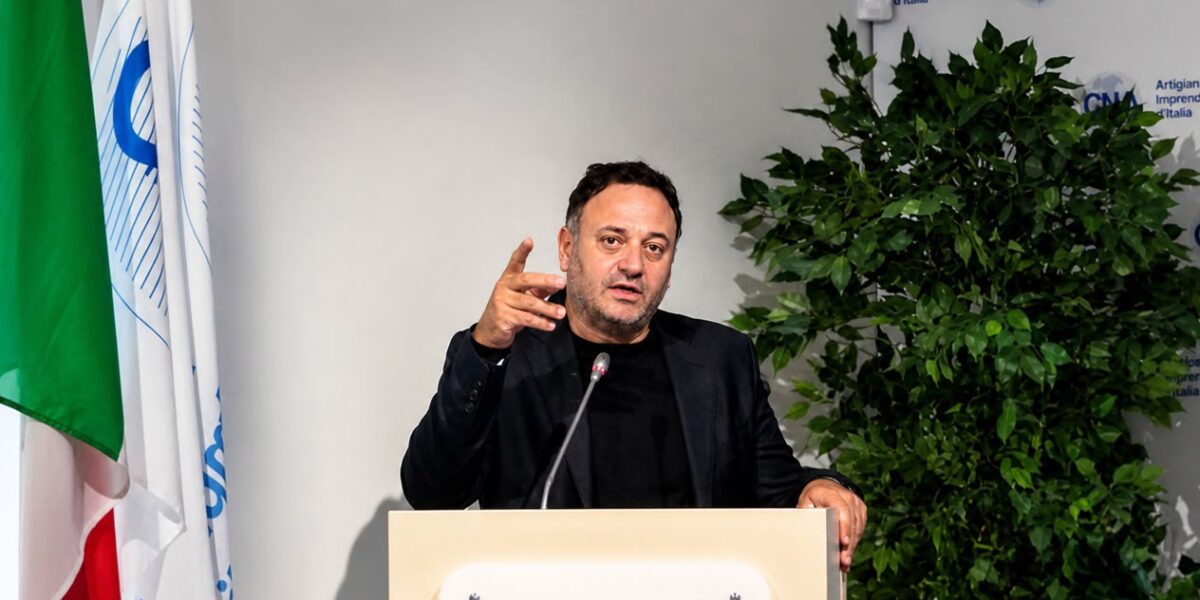
“What the Government has done with Eni, Ipi and Q8 for the temporary cost ceiling is good, but the situation for entrepreneurs remains critical and risks worsening in the future, if a structural measure capable of remedying the haemorrhage caused by expensive fuel which has continued for too many months is not adopted”. This was stated by the president of CNA Calabria Giovanni Cugliari who denounces the dramatic situation for road haulage companies, worn out to the point that they don’t know until when they will be able to buy diesel.
A condition which in Calabria takes on even more worrying contours, considering the strong dependence on road transport and the historic infrastructural deficiencies which already determine greater costs and times for the movement of goods. For small businesses, which have less margin to absorb increases, any further increase in prices risks becoming unsustainable.
“The risk is to put the brakes on the country’s economy – says Cugliari -. It’s not just a matter of forcing entrepreneurs in the sector to stop their vehicles, but of blocking the transport of raw materials, foodstuffs and more. It’s not just the cost of fuel that has risen, but inflation also shows no signs of slowing down. This is why we propose the adoption of a Social Pact on fuels”.
The proposed Social Pact
The agreement, proposed by CNA Fita, provides a package of immediate and structural interventions to support small and medium-sized businesses, correctly distribute the major costs along the supply chain and combat any form of speculation.
In particular, it must include the binding application of the fuel surcharge, with a public and transparent system of calculation and sanctions for those who claim undue refunds; extraordinary and immediate resources for the liquidity of all companies, without distinctions linked to the mass of vehicles; the simplification and acceleration of tax credits; the updating of the indicative reference values, indicating the incidence of fuel and including the costs of sea freight; a national security plan in rest areas and motorway car parks against diesel theft; a Government initiative at European level to obtain temporary exemptions on minimum taxation levels, sterilize VAT on excise duties and reduce the minimum threshold for commercial diesel”.
“Structural responses are needed and they are needed now, before the emergency becomes an even more difficult crisis to manage – concludes the president -. If road transport stops, the entire production system slows down: costs for businesses increase, prices increase and, once again, families and economic activities pay the bill”.