

Add the Gazzetta del Sud as a source
“There are moments in which a reform does not simply serve to change a law, but to recognize that the world has changed. The reform of the framework law on crafts represents one of these moments. The law that still regulates the sector today was born in 1985. More than forty years have passed in which the markets, technologies, production models, work, training, business organization and above all the international dimension of competition have changed”.
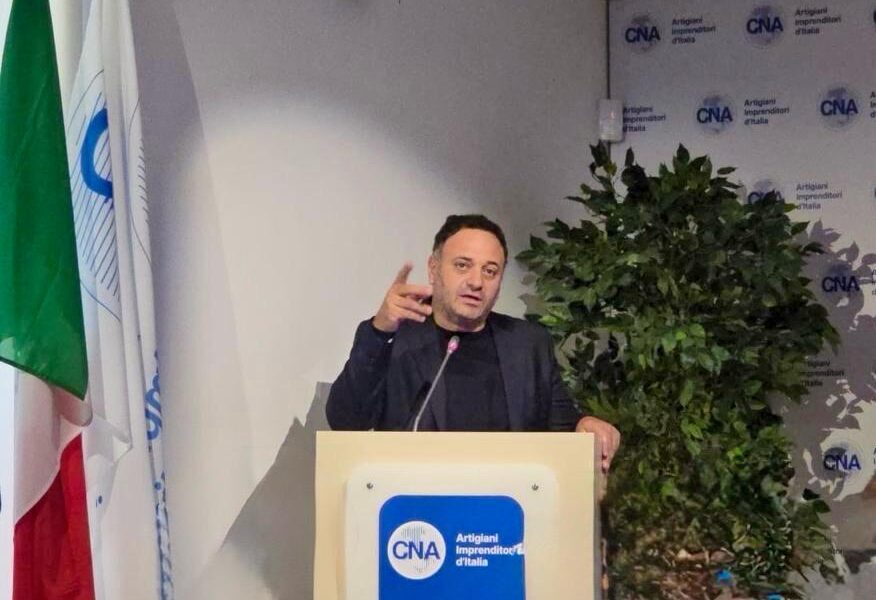
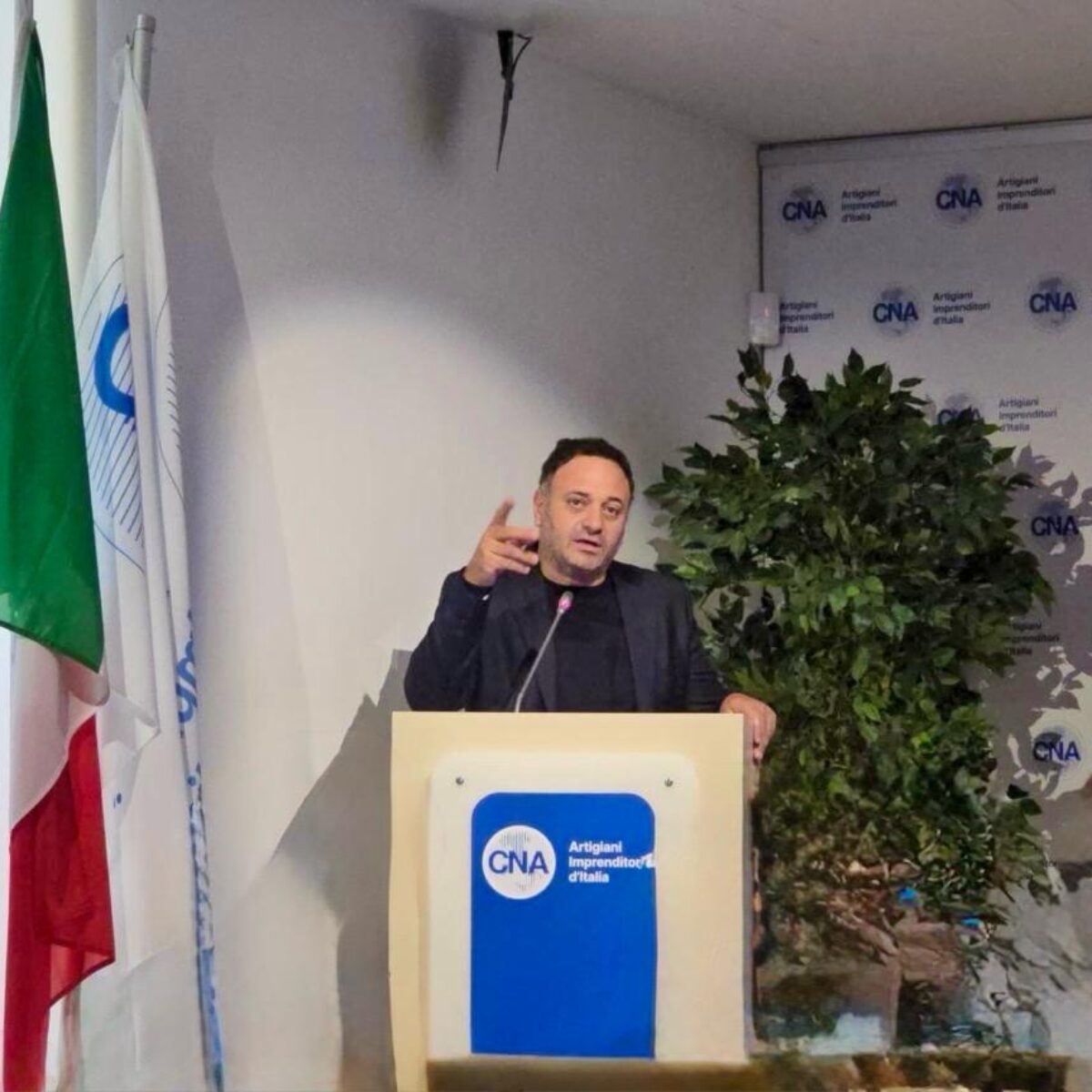
The president of the CNA Calabria Giovanni Cugliari intervenes after the recent controversies and observations regarding the possible contents of the reform of the framework law on craftsmanship. “Today an artisan company can design in Italy, use digital and robotic machinery, work with different materials, collaborate with international designers, export from Europe to the United States, from the Middle East to Asia and continue to enhance human knowledge. This is not the end of craftsmanship. It is contemporary craftsmanship”.
CNA Calabria appreciates the position expressed by Prime Minister Meloni as part of the celebrations for the eightieth anniversary of the birth of the confederation. “Allowing artisan businesses – explains Cugliari – to grow without automatically losing their identity means finally addressing an issue that our production system can no longer postpone”.
“Artisan is not synonymous with small. Craftsmanship is a way of producing, a corporate culture, a wealth of skills, knowledge of materials, customization ability and quality of work. Technology does not erase all of this – warns the president -, but it can make it more competitive. Even hiring new workers should not be a fault. If a company goes from ten to twenty, thirty or more collaborators because it conquers new markets, invests and creates jobs, we have achieved a result that the country should favor, not fear”.
An even more fitting reflection for Calabria. “Calabria needs businesses that grow – continues Cugliari -. We cannot ask Calabrian businesses to grow and build a system that considers that growth as a loss of their identity. We must create the conditions so that a small business can become more structured, hire, invest and export”.
“The challenge of the next few years will not be to defend the small size. It will be to defend artisan knowledge by allowing it to reach a new dimension. We must not transform artisans into industry, but – says the president – allow the best Italian artisan businesses to become stronger without erasing their history, skills and identity. The new law should start right from here. Safeguarding identity and freeing growth”.
CNA Calabria then replies to CGIL Nazionale: “The request to open a discussion is surprising, as if that discussion had not already begun. On 6 May the craft organizations (CNA, Confartigianato, Casartigiani and CLAAI) met CGIL, CISL and UIL and among the topics addressed were the reform of the framework law, contractual dumping, representation and the bilateral system. The discussion is necessary, stopping the reform is another thing. It would mean continuing to govern the craftsmanship of the future with a law created over forty years ago. CNA is ready to discuss this with everyone.”
Even with the Small Industry of Unindustria Calabria of which the Confederation does not share the concerns regarding the number of employees: “When the threshold of 49 employees is indicated as if it represented without distinction the new generalized limit of the artisan enterprise, it would be useful to clarify which definitive text of the reform is referred to. The comparison between company representatives – observes Cugliari – is useful when it helps to build better rules. It is much less so when the debate risks concentrating on a representation of the reform, rather than on its actual content. Industry and craftsmanship are not enemies, above all, we cannot afford a war between business dimensions”.
“We need – he concludes – a stronger production system in which micro-enterprises, artisans, small industries and structured businesses can grow and collaborate”.