

Google Discover

Preferred Sources
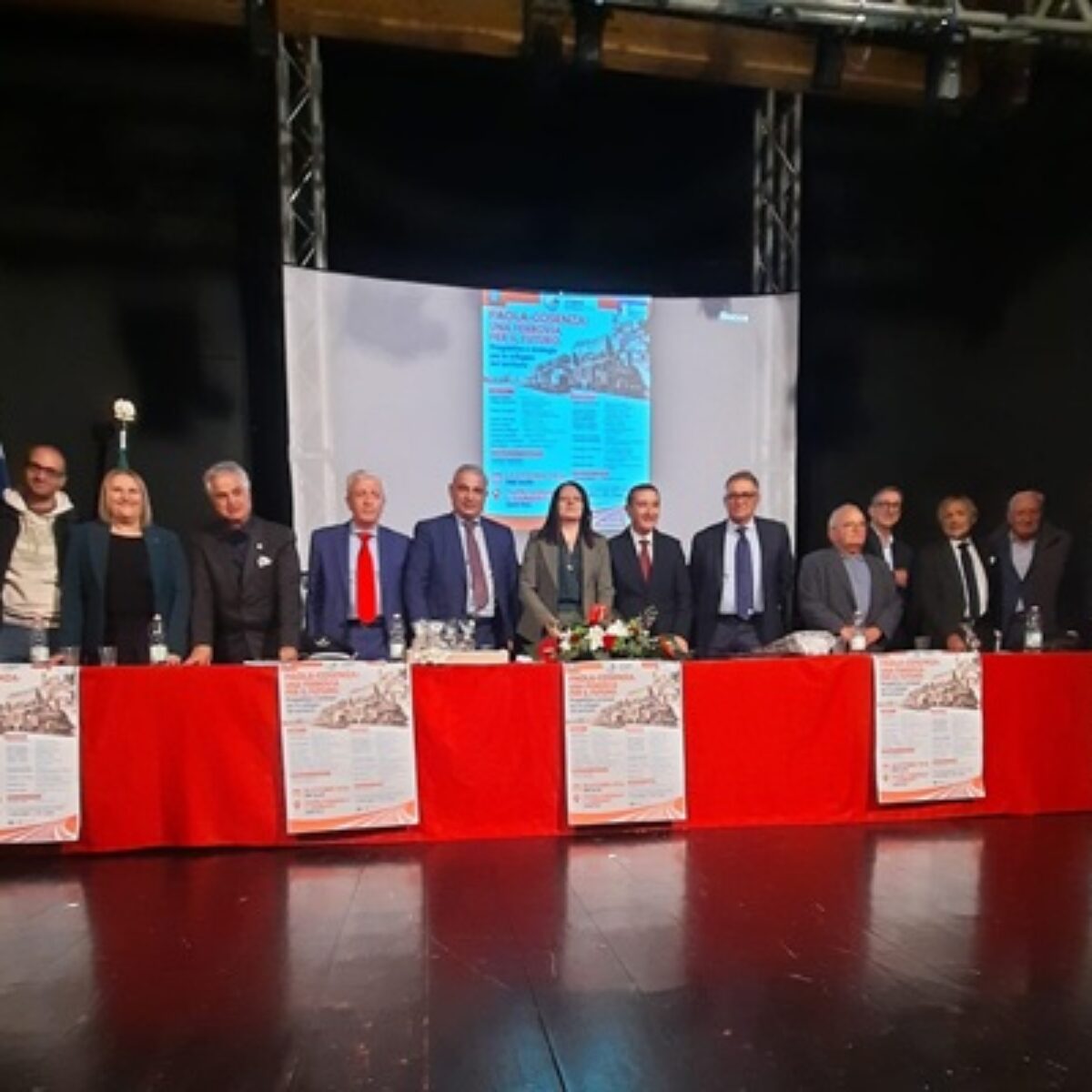
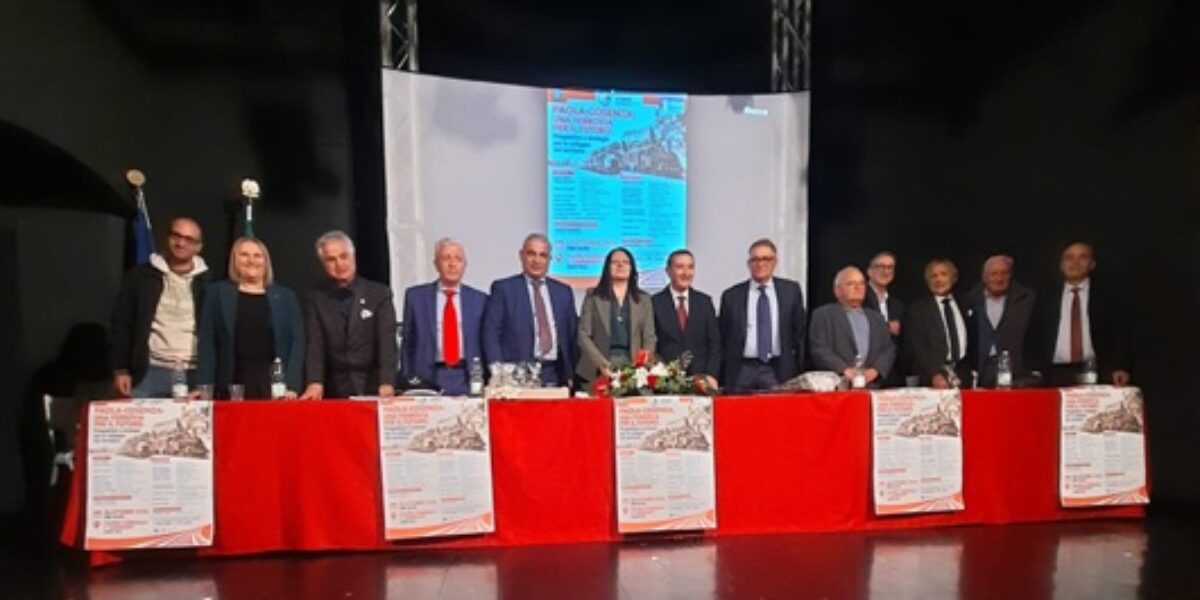
A technical table and a document shared between the institutions to evaluate the recovery of the old Paola-Cosenza railway. This is the proposal that emerged from the meeting hosted in the “F. Gambaro” municipal theater of San Fili, where administrators, teachers and experts discussed the prospects of the route which has been out of operation for about forty years. Particular attention was paid to the San Fili-Rende segment, indicated by several interventions as the point from which to start.
The initiative, promoted by the mayor Linda Cribari, placed the relationship between the Tyrrhenian coast, the Cosenza urban area and the inland centers at the centre. The objective is to transform the railway memory into a concrete proposal, capable of promoting tourism and creating new opportunities for communities. The sociologist and journalist Antonio Iapichino introduced and coordinated the discussion, recalling the social and cultural value of infrastructures.
Tourism opportunities and the issue of sustainability
Via video link, the vice-president of the regional council Filippo Mancuso assured his availability to participate in a possible technical table, underlining however the need to evaluate the sustainability over time of a line with a predominantly tourist function. The president of the Province of Cosenza and mayor of Montalto Uffugo, Biagio Faragalli, supported in a video message the opportunity of a tourist route and the need for a unified document between the bodies involved.
Support for the valorisation of the infrastructure also came from Pietro Fattori, external communications manager of the FS Foundation. From the representatives of the Municipalities of Rende, San Lucido, Falconara Albanese and Castiglione Cosentino a shared appeal emerged to the landscape potential, the history of the route and slow tourism.
The deputy mayor of San Fili, Antonio Romeo, reiterated his desire to work on the entire route, however indicating the San Fili-Rende connection as the most easily achievable objective. Pietro Calabrese, Svimar vice-president, focused on the same section.
Landslides, structures and approval: the critical issues
Recovery prospects must deal with the conditions of the infrastructure. Gabriella Mazzulla, professor of Transport Engineering and delegate of the rector of Unical for Transport and Mobility, highlighted structural failures, landslides and difficulties related to approval for passenger transport. While mentioning these obstacles, he confirmed the University’s support for the project idea.
The architect Francesco Cassano, author of the volume “The Paola Cosenza Memory Train”, illustrated the historical and construction value of the line. Giuseppe Lo Feudo, former general director of the Calabria Railways, has envisaged the creation of a museum center through its redevelopment. Unical teacher Giovanni Tocci instead underlined how the change in tourist demand can offer new opportunities to small municipalities crossed by disused routes.
Roberto Galati, president of the Calabria Railways Association, highlighted the difficulties of restoring the entire route, hoping for at least a metropolitan connection up to San Fili and asking for unity on the objectives.
A proposal to build together
The need to network was reiterated by Svimar delegates Loris Pellicanò and Michele Laurino and by the national coordinator of small municipalities Virgilio Caivano. In the conclusions, President Svimar Giacomo Rosa recalled the value of the heritage that is now abandoned and the possibilities that train travel could open up for tourism in inland areas.
The comparison was organized with the contribution of Svimar, the Fremo-Calabria cultural association and the Ferrovie in Calabria association, with the participation of the companies Colavolpe, Tenuta delle Api and De Caro. The proposed next step is to bring together institutions and technical expertise to explore the feasibility, priorities and prospects of recovery.