

Google Discover

Preferred Sources
The tormented population of Gaza faces its third year in an absolute humanitarian emergency. President Donald Trump, in a phone call immediately after the elections in Israel, asked Benjamin Netanyahu to proceed with the Peace Plan for Gaza. In fact, since the signing of the precarious ceasefire last year, Gazans have been confined to just over 30% of the territory of the Strip, mostly concentrated along the coast and in the area of al-Mawasi, the humanitarian zone west of Khan Younis, which has very little humanitarianism.
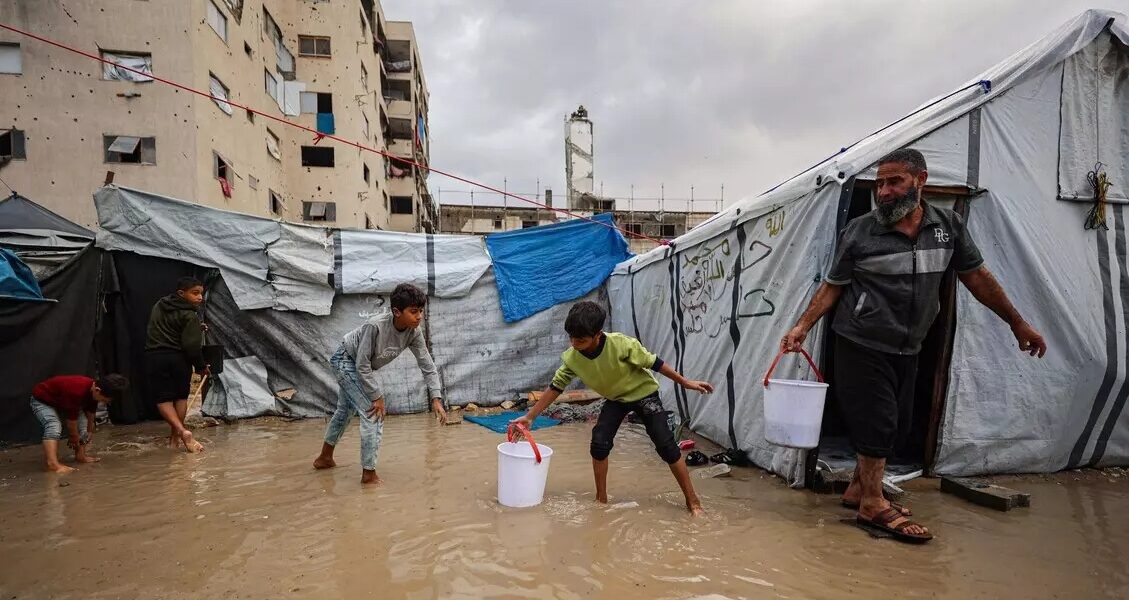
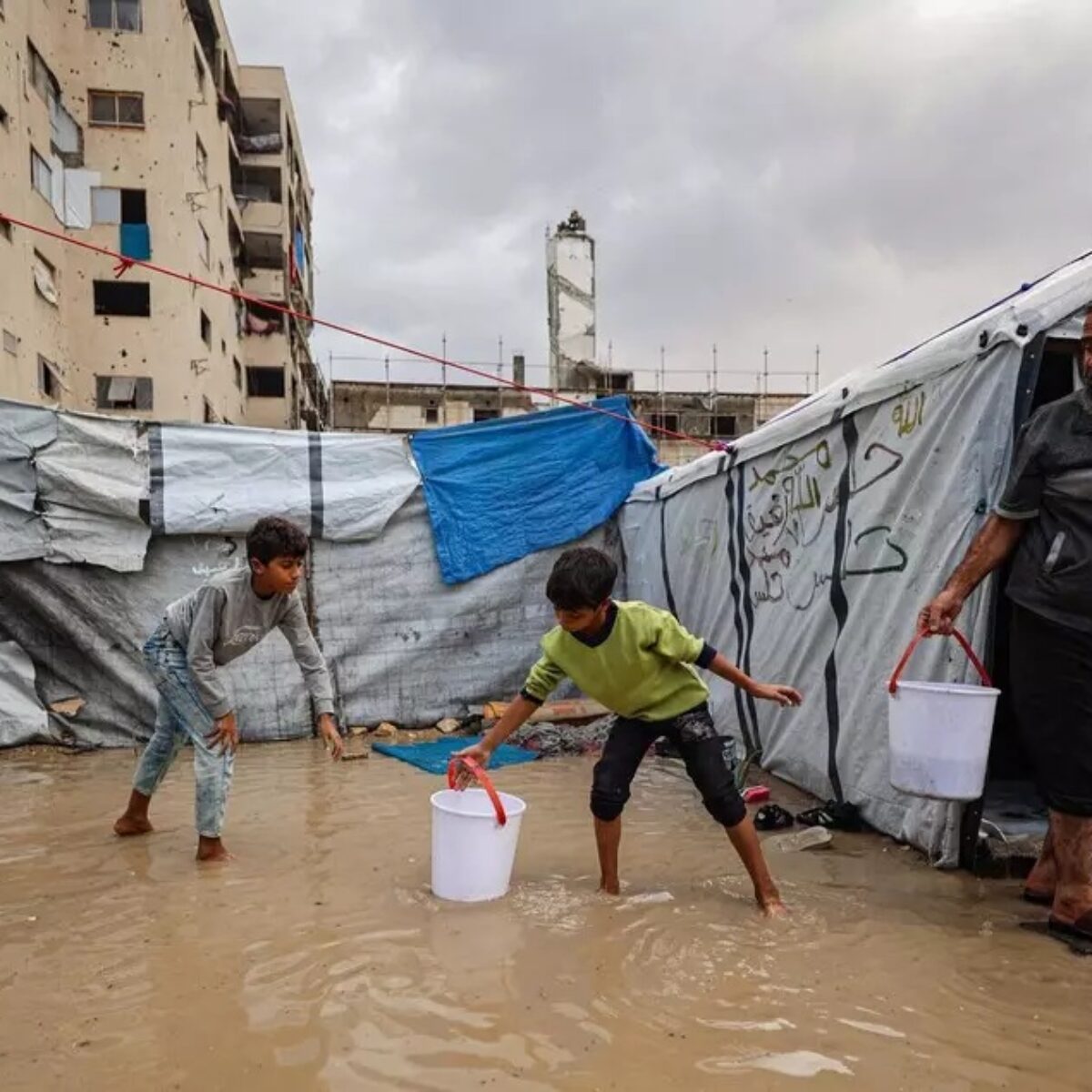
The mega tent cities are largely flooded after the rains began in recent days. In the Rimal neighborhood of Gaza City, once the most prestigious and glittering in the city, the water reaches up to the knees and people try with any means possible to find solutions to channel the water towards the sea. Sewage systems are non-existent. Most of the tents, which have an average lifespan of six months, are damaged and displaced people are asking where those donated by the international community went.
Cogat, the IDF body that coordinates the entry of aid, reports that in recent months it has brought into the enclave, as part of a winter plan managed in coordination with the Board of Peace and humanitarian agencies, ”over 91,000 tents and more than 8,200 trucks containing tarpaulins, blankets, winter clothing and wastewater pumping equipment”.
The desperation of the local population emerges forcefully from the testimonies coming from the field, which also make the criticism of Hamas’ management of the emergency heard openly. «Are they talking about victory? Where is the victory? Where is the Municipality of Gaza?”, shouts an entrepreneur from Jabalia, displaced in Gaza City, in a video relaunched dozens of times on social media. ”For twenty years they have been bringing disaster upon us, they show up in luxury cars just to collect taxes and now that all my goods have ended up under water, they do nothing.” This is echoed by the owner of some areas of the Rabèa market, who was also filmed in the midst of high water. «We called the Municipality: they came, observed the situation and left without doing anything. I lost goods worth 2 million shekels (around 564 thousand euros) in two days.”
On the accounts of Hamza al Masri and Amin Abed, well-known anti-Hamas dissidents who live abroad, a bitter controversy is being raised in recent days which points the finger at the total lack of transparency in the distribution of humanitarian aid within the Strip. According to activists, winter equipment and goods sent by the international community, including numerous public donation accounts, do not reach civilians because they are systematically requisitioned by Hamas which resells them on the black market.
From Ramallah, the Palestinian presidency points the finger at Israel, “responsible for the worsening of the humanitarian catastrophe with its continuous aggression and imposition of the blockade, in contravention of the UN Security Council resolution and President Donald Trump’s plan”. A plan that was also recalled today by the head of state Isaac Herzog in entrusting the mandate to Gadi Eisenkot, as one of the priorities that Israel must address in the short term. And on which the Board of Peace is pushing so that, in the political transition entrusted to Eisenkot, we can see détente steps such as the entry of the government of technocrats still blocked in Cairo.