

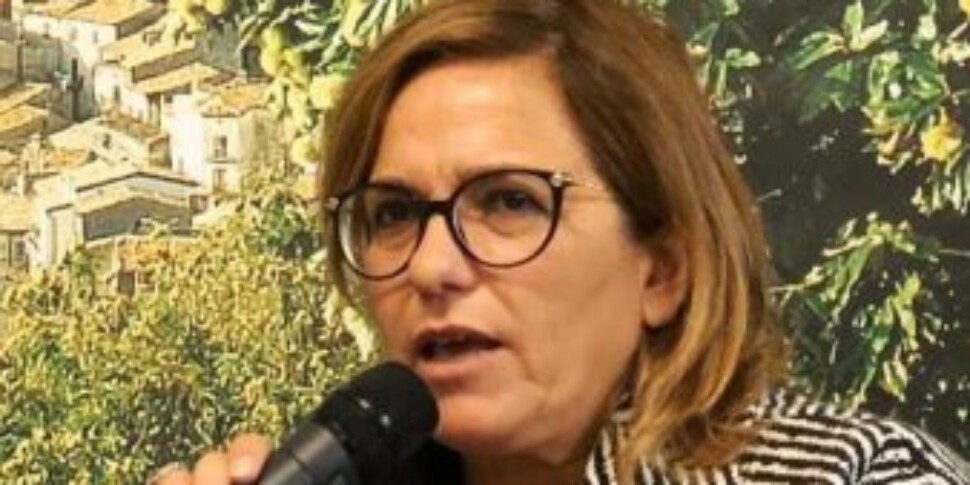
«We have gone from the triumphal announcements on national funding to a tender divided into two parts, which starts without the certainty of the resources necessary to complete the entire Cosenza hospital and with questions still open about the procedures adopted. President Occhiuto has spent years presenting the new hospital as an INAIL investment, and today we discover that the tender is announced by the commissioner structure, which immediately entrusts only a first phase and makes completion subject to the availability of further funding. But above all, we do not yet know whether the project is consistent with regional health planning. Is this the way to plan such an important work for the health of citizens?”. This is what Filomena Greco, regional councilor of Casa Riformista – Italia Viva, declared, who filed a question with a request for a written response to the President of the Regional Council on the procedures adopted and on the questions still open in the creation of the new health infrastructure.
«The change of direction on the contracting authority is the first issue to be clarified – continues Greco -. According to INAIL’s ordinary procedure, it is the Institute that had to proceed with the purchase of the area, launch the tender, carry out the work and then lease it to the healthcare company. And the Civil Protection ordinance of March 2025, while attributing extraordinary powers to the Commissioner, expressly maintains the role of INAIL in interventions within its competence. The documents approved on 24 September instead entrust the tender to the single contracting station of the Province of Crotone, on behalf of the Commissioner delegate for healthcare construction. President Occhiuto must explain by what act this decision was taken, whether INAIL expressed its formal assent and what response was given to the findings made by the President of the Institute in March 2025 on the powers provided for by the ordinance and on financial advances. It must also clarify who has assumed the economic and contractual responsibilities of the intervention, what costs will fall on Calabrian healthcare and whether the resources necessary to complete the work have been ensured.”
The regional councilor also highlights the inconsistencies to be clarified on the planning of services and beds. The project includes 821 beds, while the DCA n. 78 of 2024 assigns 730 to the Cosenza hospital. In June 2025 the corporate act was approved and the start of the update of the regional hospital network was ordered.
«A hospital is not just a building to be built. We need to know what services it will host, how many doctors and nurses will be needed and how much it will cost to run it. I asked what measures had been adopted to adapt the hospital network and the company act to the new project and whether the staffing needs and management costs had been assessed by the supporting Ministries as part of the Recovery Plan. Because the risk is that of building a structure without having fully clarified how it will function.”
«Finally, the unknown factor of administrative litigation weighs on the entire investment – adds Greco -. The choice to locate the new hospital in Arcavacata di Rende is the subject of an appeal brought by the Municipality of Cosenza before the TAR. The tender was launched while the judgment is still pending. I asked the Council if it had assessed the consequences of a possible acceptance of the appeal on the assignment procedure, on the contracts, on the financing and on the possible costs for the administrations involved”.
«I asked that the documents that allowed the commissioner structure to call the tender, the communications with INAIL and the Civil Protection and the documentation relating to financing and health planning be attached to the response – concludes Filomena Greco -. Cosenza has been waiting for its new hospital for years. But citizens have the right to know who decided, with what actions, who pays and above all how it will work. Announcements are not enough: precise and documented answers are needed.”