

Google Discover

Preferred Sources
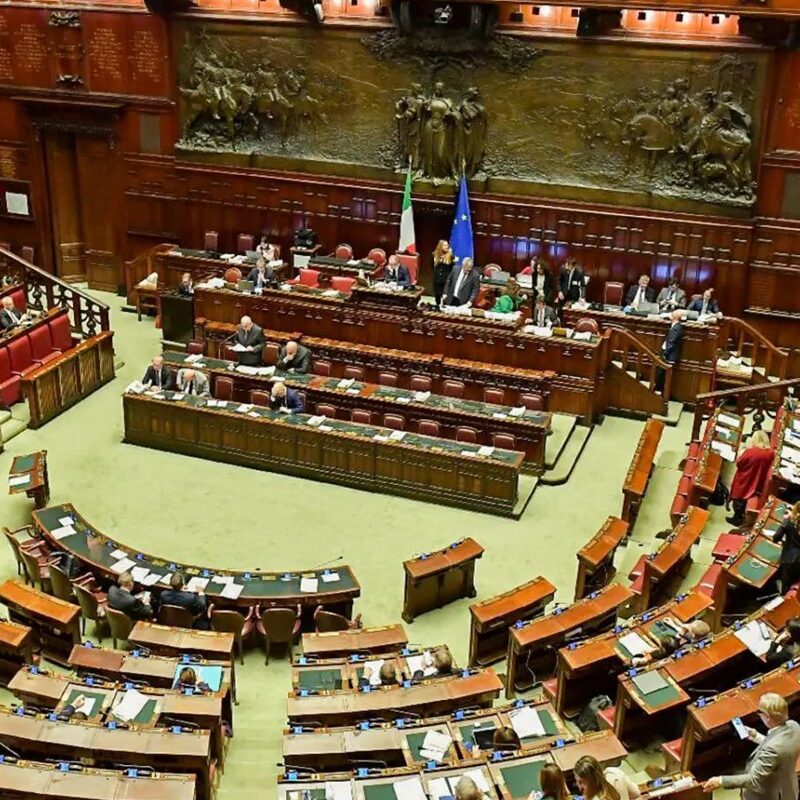
Doubts of constitutionality for the ABI on the fiscal interventions borne by the banks, with an overall impact that the association quantifies at around 22 billion euros also considering the measures of previous years. And then the revaluation of pensions, which for checks exceeding four times the minimum will only be completed by March 2027, the requests for greater resources for wages and healthcare and the unions’ criticism of cuts to education and social security. This is the picture that emerged from the second day of hearings on the maneuver before the Budget commissions of the House and Senate.
The Abi asks for a rethink
A maneuver which, according to the data illustrated by the ABI, entails an additional contribution of almost 7 billion in the three-year period for the Banks, including higher definitive taxes, for around 4.8 billion, and interventions on tax deductions and compensations, for another 2.1 billion.
“The ABI asks for a profound rethinking of the proposed provisions to define a proportionate and predictable legal framework, accompanied by an adequate examination of the cumulative effects and the possible profiles of compatibility with constitutional law and with the European regulations to which banks are subject”, stated the general director Marco Elio Rottigni. The ABI also contests the postponement of tax deductions already deferred and the modification of the compensation times of the Superbonus tax credits purchased by the banks on the basis of deadlines established by law. This last measure, according to the association would appear as a “forced restructuring of a state debt” and would be in contrast with the principles recalled by the Constitutional Court in sentence 111 of 2024, which censures interventions capable of retroactively affecting the economic calculation of companies.
The pension revaluation issue and the INPS position
On the social security front, the INPS has clarified that the new revaluation of pensions will be applied with different times. The maneuver reintroduces a system divided into six bands, with decreasing percentages from 100% to 32%, applied to the overall amount of the pension. Since the January 2027 installment has already been processed, the immediate adjustment will only affect checks up to four times the minimum payment. For those above, the increases due according to the new rules will be recognized through a positive adjustment within the first quarter of the year.
The INPS has also highlighted the problem of workers with contributions paid exclusively since 1996, the so-called pure contributors, who in the next few years will reach the age foreseen for the Social Ape while remaining excluded from the measure, which has been extended to 2027. The INPS has also invited us to evaluate the extension of the New Born Fund also to minors born before 2027, guaranteeing the same tax exemptions even without granting the 100 euros per year foreseen by the fund introduced in the measure.
Unions against flat taxes and school cuts
Unions with different assessments also took turns at the benches of the joint commission, although they were all against school cuts and the crackdown on pension revaluations. Just as the rejection of the extension of the flat tax for the self-employed from 85 thousand to 100 thousand euros is almost unanimous.
Shift resources from military spending to healthcare. The general strike was confirmed on 20 November
In detail, the CGIL reiterated its strongly negative opinion, insisting on the general strike of 20 November and asking to shift resources from military spending to healthcare, schools and public services. The CISL instead expressed appreciation for the Irpef cut, but asked to extend the benefits to incomes up to 60 thousand euros. The union has called for changes to interventions on pensions, greater resources for healthcare and non-self-sufficiency and business incentives more linked to the creation of stable employment. The Uil judged positively the tax exemption of the increases resulting from contract renewals, which could affect over 6 million workers, but contested the expansion of the flat tax regimes, asking for more revenue from extra profits and financial transactions.
Weak consumption, increased costs and tax pressure: trade associations are calling for corrective measures
The trade associations for their part have asked for corrections to the maneuver. Confcommercio and Confesercenti have drawn attention to the difficulties of trade and small businesses, including weak consumption, increased costs and tax pressure. At the center of the requests are measures to support the purchasing power of families and relaunch domestic demand, together with interventions to lighten the burdens on economic activities. The farmers instead urged the extension of the SEZ incentives to agricultural companies as well.