

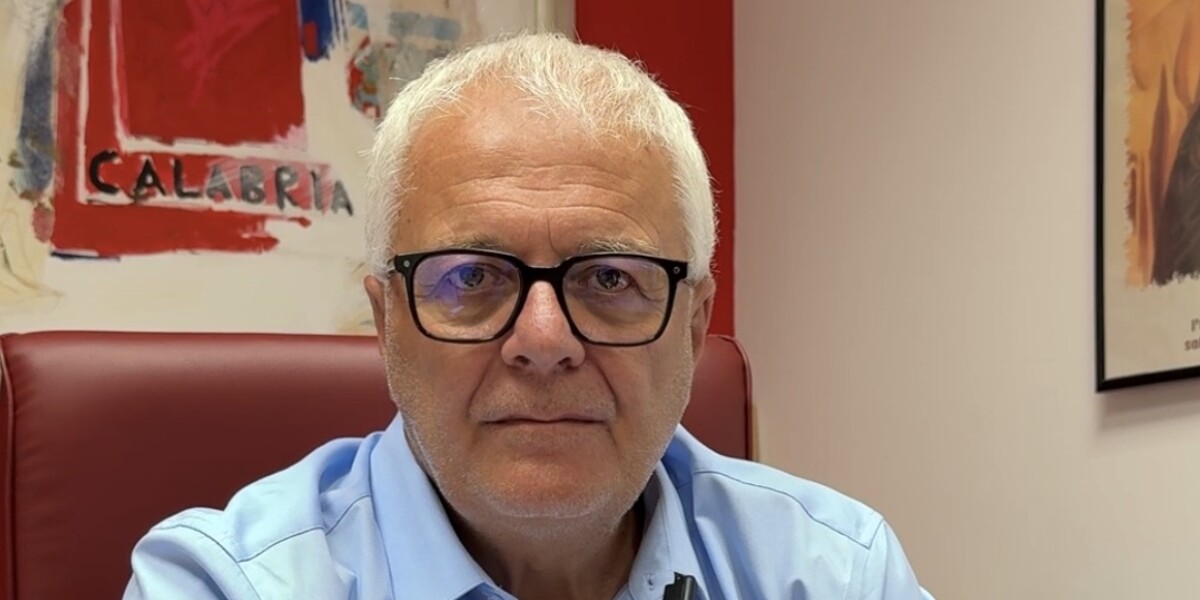
“The triumph for a liter of petrol at 2 euros and diesel at 2 euros and twenty cents, the long queues at the petrol stations and the cry for help from the farmers protesting yesterday, tell the story of a country on the brink of crisis, while the government aims to distract public opinion by imposing a maximum number of foreign students and the Islamic headscarf. It’s a shame that families struggle to put together lunch and dinner”.
The General Secretary of CGIL Calabria Gianfranco Trotta does not share the Meloni government’s celebration: “It is a first step, but it is not at all something structural. The agreement reached with the oil companies avoids them from being taxed on extra profits and is limited in time”.
Energy increases and the cascading effects are wearing down the purchasing power and livelihood of families. In Calabria, with stagnant salaries and aging infrastructures that force road transport, the effects of this situation are becoming dramatic”, observes Trotta.
“In Calabria families pay more”
According to the Federconsumatori survey, increases on fuel in Calabria were on average higher than those applied in the rest of the country. Thus, if on average an Italian family had to bear an expense of 275 euros for direct consequences and 224.50 for the effects of road transport of consumer goods, in our region families paid much more.
Then there remains the slap in the face of the increase in health care tickets: “If the health of the Calabrians were not involved, one could have thought of it as a provocation. And instead, one of the regions in which it is most difficult to access health services with the public service has also become the one to which the greatest increase in health care costs envisaged by the national tariff has been applied”, comments the Secretary.
“Calabria is tired and disheartened. The electoral round of the by-elections in Reggio Calabria is a demonstration of this. The center-right puffs out its chest for a victory that certifies the detachment of politics from the territory. A vote percentage of 22 percent – concludes Trotta – is a serious defeat for everyone”.