

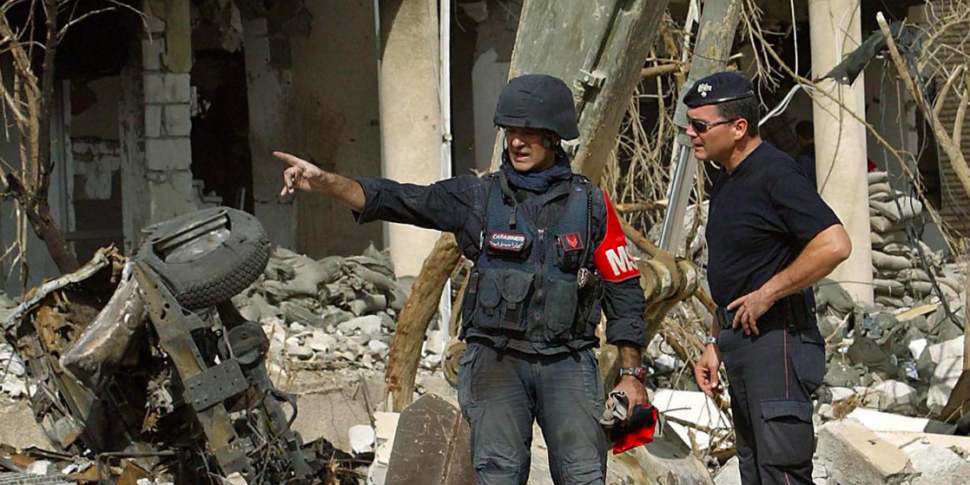
Before Camp Singara, in Erbil, there had been attacks a few days ago on Ali al Salem’s base in Kuwait, while for a few years now the Italian Unifil base in Lebanon has also been at the center of tensions between the IDF and Hezbollah. Outside of the current conflict in the Middle East, the last episode involving Italian soldiers in attacks that put their lives at risk dates back to 2024: two rockets, launched by Shiite militiamen, reached the Shama base in southern Lebanon, where the Sassari brigade was operating at that time. One of the missiles landed on the shelter and four soldiers – hit by shards of glass and stone – were slightly injured. Another rocket instead exploded near ‘Casa Italià, a building used as a pizzeria. Nothing compared to the targeted attacks of previous years in other neighboring countries in the Middle East.
The precedents in Afghanistan and Iraq
In 2012 in Afghanistan several mortar shells were fired against the Italian “Ice” base in the Gulistan district, in the south-eastern sector of the Farah region. Sergeant Major Michele Silvestri, 33, lost his life, while five other soldiers were injured, two of them seriously. Less than ten years earlier the Nassiriya massacre occurred on 12 November 2003, when the Maestrale police base was hit in a terrorist attack during the war in Iraq. The explosion caused the death of twenty-eight people, including nineteen Italians (twelve carabinieri, five army soldiers and two civilians), as well as several Iraqi victims. That event represents one of the most serious attacks suffered by the Italian Armed Forces since the end of the Second World War: it is no coincidence that November 12 was taken as the symbolic date on which the Day of Remembrance dedicated to the fallen, military and civilian, in international peacekeeping missions is celebrated every year.