

Add the Gazzetta del Sud as a source
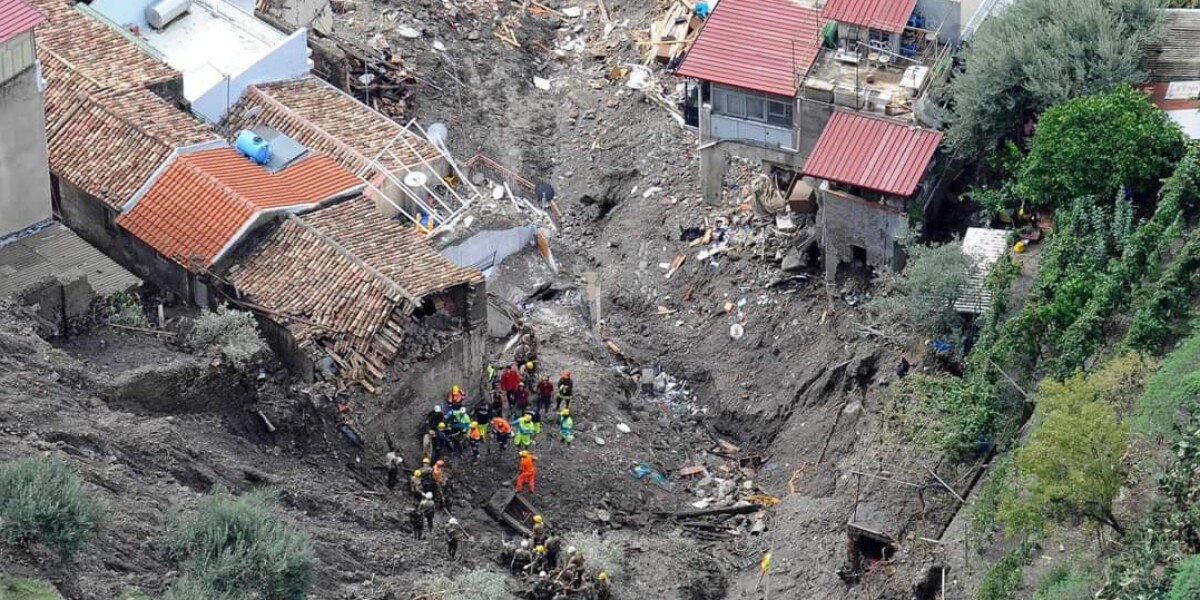
17 years have passed since the night in which eastern Sicily, especially the area south of Messina, was hit by a very violent storm. Since then, October 1st has become a particularly painful date for the city, in memory of the 37 victims overwhelmed by the mud. The torrential rains caused landslides and flooding between Giampilieri, Altolia, Briga, Molino and Scaletta Zanclea: in some areas up to 230 millimeters of rain fell in just a few hours, on an area that did not have the strength to withstand. During the night some buildings collapsed between Scaletta Zanclea and Giampilieri Superiore and, at dawn the following day, the toll was dramatic: victims buried under the mud, people taking refuge on roofs, entire communities isolated and unable to communicate with the rest of the region. Since then, that area has become one of the symbols of hydrogeological risk in Messina. But 17 years later, what has changed?
Sicily continues to deal with water: what the data says
After the flood, approximately 170 million euros were allocated to consolidation and safety works in the Giampilieri area and the surrounding municipalities. Real interventions, which transformed the territory and strengthened the monitoring tools. But prevention is a job that requires continuous maintenance and updating, especially in an area historically exposed to intense rainfall. And recent months are a concrete reminder of this. Even today, intense rains are putting the city of Messina in difficulty, albeit with very different consequences compared to the 2009 catastrophe. In recent weeks there has been talk of new flooding, downpours that led to the collapse of the crossing in the Papardo area, isolating around twenty families. The same territory, the same fragilities. Even today, the relationship between water, territory and infrastructure remains unresolved.
The problem does not only concern Messina. In January 2026, a large landslide hit the territory of Niscemi, in the Nisseno area, causing the interruption of key road arteries, the destruction of numerous buildings and the evacuation of over 1,600 inhabitants. Nine months later, the landslide has not yet stabilized. Although it is a different case in terms of geography and dynamics, it tells something similar: the hydrogeological instability of Sicily is not just a sudden event: it is the story of a territory that returns to make itself present. The latest ISPRA report provides a broader picture: between 2021 and 2024, the territories where there is landslide danger increased by 20%, and nine out of ten municipalities have areas at high risk of landslides. The risk in Sicily, as summarized by ISPRA, is not emergency: it is structural.
Seventeen years later, the question is still open
To date, Giampilieri is not just a news page. It is the starting point to understand a problem that continues to present itself in different forms: landslides, flooding, subsidence. The question that that night seventeen years ago left open does not only concern how much rain can still fall, but above all how capable we are, today, of anticipating the fragility of the territory.