

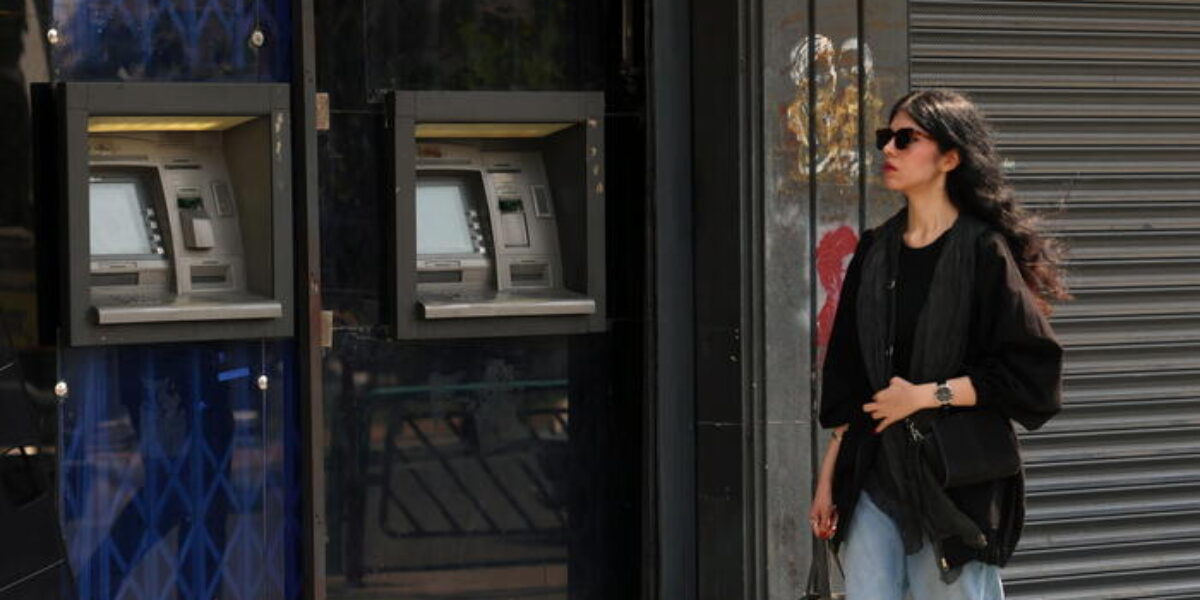
In recent months, in the context of war turbulence and the renewal of the country’s intransigent leadership, a deep cultural fracture has re-emerged in Iran: how and whether to impose the veil on women.
This is what we read in a long CNN report. At the height of the conflict with the United States this year, veilless women were often seen at pro-government rallies and in state media. The government and internal security forces had far more pressing problems to deal with. But in recent weeks, there has been growing clamor for a reinstatement of a hard line on what religious and conservative politicians call “public nudity.”
Many Iranian women are openly violating the rule, and authorities appear reluctant to crackdown for now. The regime appears to have more urgent priorities. Nonetheless, state media highlighted reports of cafes and other businesses being forced to close for failing to comply with dress regulations. CNN recalls that 4 years ago the ‘Woman Life Freedom’ movement – born following the death of Mahsa Amini, arrested on charges of being dressed inappropriately – was brutally repressed. But the protests have had lasting consequences: despite constant warnings and sporadic checks, there is widespread disobedience to official regulations, especially among young women. However, there have been some high profile cases. In June, popular Iranian singer Parastoo Ahmadi was sentenced to 74 lashes and banned from leaving the country for two years because she appeared bare-shouldered and had her hair down while streaming on YouTube. But there is plenty of evidence to show that many Iranian women are not intimidated by official campaigns.
As with so many social and cultural issues in Iran, wearing the hijab seems to some to be an out-of-place priority in a time of conflict and economic crisis. Apparently, this would also include President Masoud Pezeshkian. Referring to an interview with a conservative cleric, he said: “Can you really change people’s behavior through laws?” Pezeshkian then added that his daughter sometimes disagreed with him: “Does that mean I should force her? You can’t instill beliefs in people by force.”
Iranian authorities began encouraging women to wear the hijab after the 1979 revolution. Before then, the monarchy had promoted a more secular and Westernized image of women. Article 638 of Iran’s Islamic Penal Code criminalizes women who appear in public without “Islamic hijab,” although it does not precisely define its meaning. But the regime is proceeding cautiously, at least for now. “They still don’t dare say anything to people on the street – a woman from Tehran in her sixties told CNN by telephone – The girls in the capital go out wearing short tops, shorts and all kinds of clothing, and veils have practically disappeared. I don’t think they will be able to force them to wear the veil again. But then again, we also thought so when the revolution broke out. We never believed that they would be able to force us, and yet in the end they succeeded.”