

Good news arrives from the Papardo hospital, where the SM patient was hospitalized affected by West Nile virus infection. After days of apprehension, the doctors dissolved the prognosis: the woman is now considered out of danger of life.
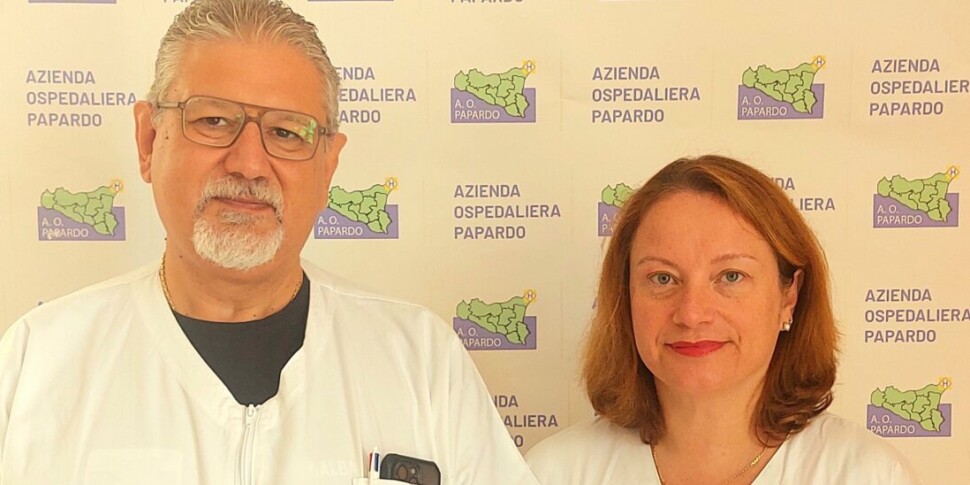
Dr. Antonio Albanese, head of the simple departmental operating unit of infectious diseases, confirmed the patient’s clinical improvement, hospitalized in ordinary hospitalization. Already from Saturday the woman was in a vigilant state and the last blood and diagnostic blood tests have excluded serious brain damage. It is currently being recovered and will remain under observation for a rehabilitation cycle.
The lady, who thanked the health personnel for the assistance received, explained that she lived in an area particularly infested with mosquitoes, thus recalling the importance of prevention. In fact, the hospital reiterates some fundamental measures: to use repellents, wear opaque clothes, apply mosquito nets, avoid exposing themselves outdoors at dawn and sunset, as well as eliminating the stagnation of water in the saucers, bins or manholes that can become reproduction outbreaks.
The Papardo health management, led by Dr. Paolo Cardia, underlined how the case was managed with a multidisciplinary approach and with the support of multiple departments: from the emergency room directed by Dr. Salvatore Calandra, who first took charge of the patient, to the team of infectious diseases of Dr. Serena Mirone, up to the molecular biology laboratory of Dr. Giuseppe Falliti. The work of Dr. Rita Azzolini, manager of the Medical Directorate, who promptly activated the protocols provided for by the ministerial directives, also decisive.
The case, explain the health workers, confirms the effectiveness of the national and international surveillance plans against West Nile, which provide for the monitoring of the infected carrier and wild birds to detect the circulation of the virus early. A timely diagnosis – they underline – remains the decisive element to guarantee effective care and save lives.