

Add the Gazzetta del Sud as a source
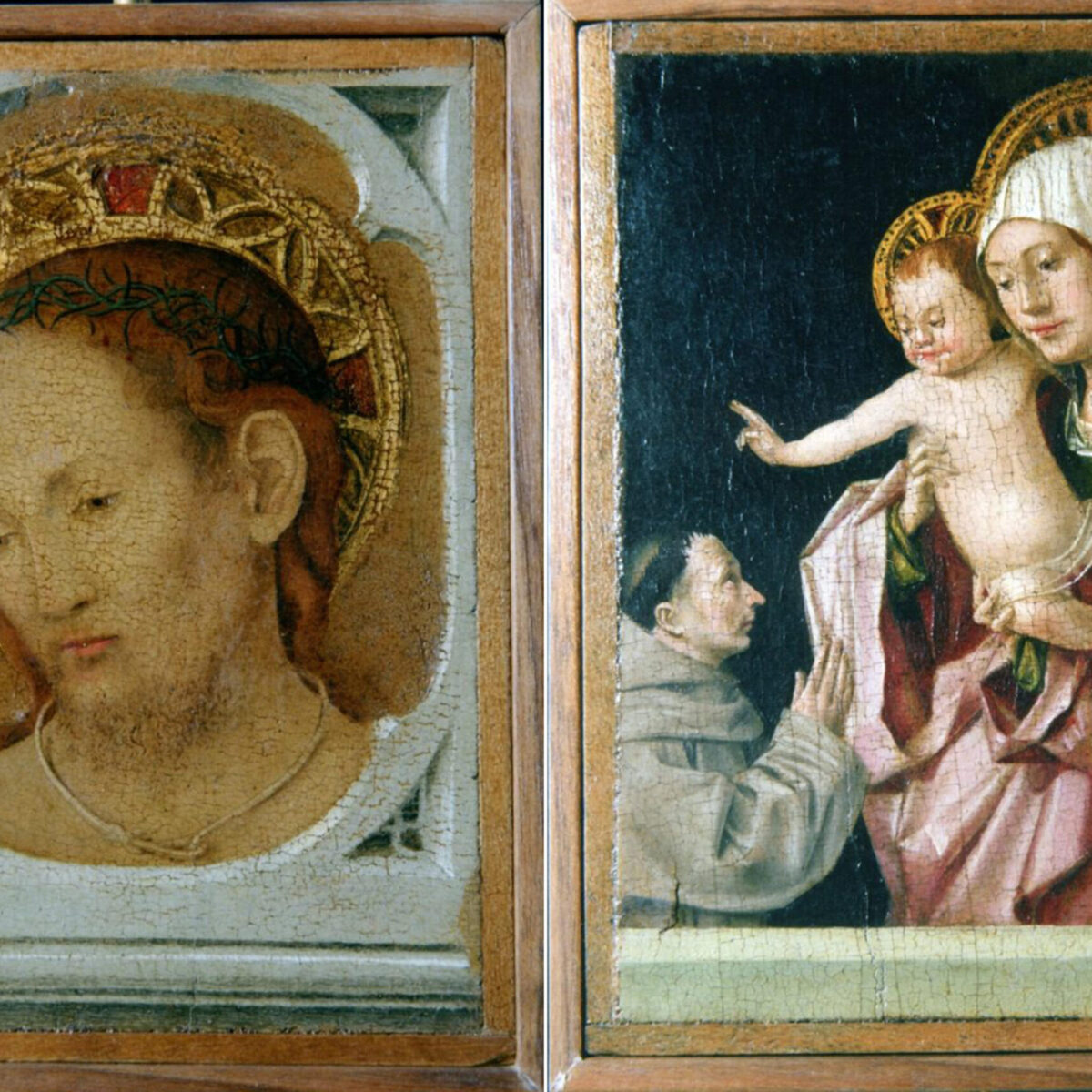
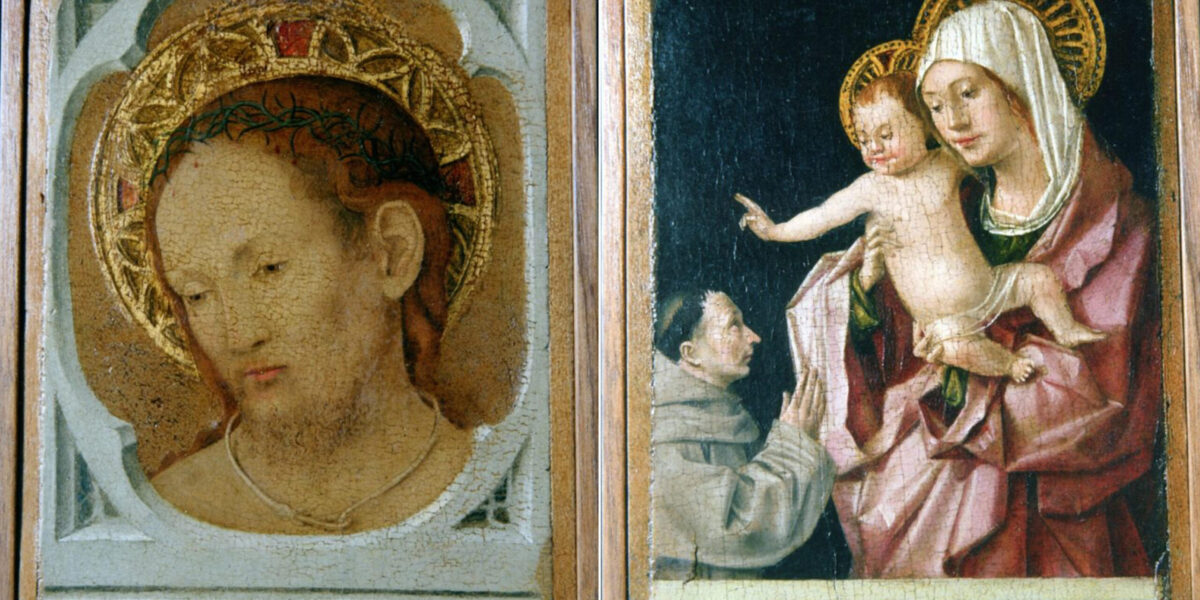
The stolen works of Antonello da Messina are not alone. Alongside them, the memory of the Carabinieri for the Protection of Cultural Heritage includes many other masterpieces that ended up in the sights of gangs, with events with different outcomes, all united by a single, ever-present question: how safe are museums?
This long list of violated works of art includes, just to name a few, the two van Goghs or the Cézanne stolen by Gnam in 1998 and found on top of the wardrobe of a private home and in a studio apartment in Turin, as well as the works stolen from the Castelvecchio museum and found in Ukraine among the vegetation of the Dniester river. Different stories of a fragile heritage.
«The supervision of a museum must be highly professional»
«The sensational theft of Antonello da Messina’s works – explains Pompeo Micheli, lieutenant CS CC (ris) – brings issues ranging from the security of museums to the vulnerability of protection systems back to the center of attention. Today we have digital video surveillance tools, volumetric and perimeter sensors, anti-intrusion systems, but technology alone is not enough. The supervision of a museum, especially when it houses works of exceptional value, must be considered a highly professional function. Specific training, continuous updating, knowledge of the equipment and the procedures to be adopted are needed. Hiring should also be targeted. In the case of Messina I sensed that the alarms had gone off. In those cases the custodians should have checked and drawn up a report anyway.”
According to Lieutenant Micheli, the Messina theft recalls in some respects the robbery of 19 May 1998 which took place at Gnam in Rome when two paintings by van Gogh and a Cézanne were stolen. He talks about it in his recently published book, ‘The Barefoot Band. The robbery of the century at the National Gallery of Modern Art in Rome’.
“Both in Messina and Rome, four employees of the Region and the Ministry were responsible for the surveillance, not professionals. The security of the museums cannot be improvised or left exclusively to the employees without investing in armed surveillance or without the museums being connected to police forces.”
The four custodians destined for other sites
Meanwhile, the four custodians of the Accascina museum (two regional employees and two ASU) who were on duty the evening of the attack have been assigned to other sites. At the moment I am on holiday and it is not certain that the disciplinary proceedings initiated cannot lead to dismissal as soon as the Department for Cultural Heritage of the Sicilian Region receives the report from the director of the museum.
The trail of foreign clients
Why does a theft happen? «I believe that the one linked to foreign clients is an urban legend. Commissioned thefts mostly concern archaeological assets originating from clandestine excavations.”
And again on the Messina theft. «The only hope is that no organized gangs from Eastern countries are involved. With the Italian groups one could hope for the possibility of repentance.”
Investigations and international cooperation
If in 1998 for the Gnam theft it was an environmental interception, a phrase from the criminals, “The puppets are asleep”, that led the investigators to recover the loot, today advanced tools facilitate the investigators’ work.
«In Italy the Carabinieri Heritage Protection Command has a database of illicitly stolen cultural assets. As in the case of Messina, but also of Rome, Interpol is activated on an international level, in addition to cooperation channels with police and customs channels. The role of Eurogiast, a cooperation body between judicial authorities, is also important. The investigation must be started as if we were faced with a kidnapping with the work of art held hostage.”
However, unsellable on the legal market does not mean without interest for the criminal world. «The Madonna della Misericordia by Perugino, from the municipal art gallery of Bettona, ended up in the hands of an influential Jamaican politician, delivered as a guarantee for the payment of a drug shipment».
«When art disappears, a country loses its memory»
In your profession, is it possible to become attached to a work of art? “During Operation Gemini I would never have returned home from Ukraine, after 89 days, without the works stolen from the Castelvecchio Museum in Verona. When art disappears, a country loses its memory.”