

Unicef Italia, at the beginning of the school year, offers all the schools in the country, the Unicef-Mim program: “Schools for rights”. A “school for the rights of the childhood and adolescence” is a school that knows and undertakes to make children, girls, teenagers and adults know the UN convention on the rights of childhood and adolescence, realizing the rights of minor ages, in every aspect of school experience.
For 25 years, the Provincial Committee of Messina for UNICEF has boasts the enrollment, of numerous schools to this program, followed, curated and accompanied by the teacher Angela Rizzo FarandaProvincial Referent School for the Messina Committee for UNICEF.
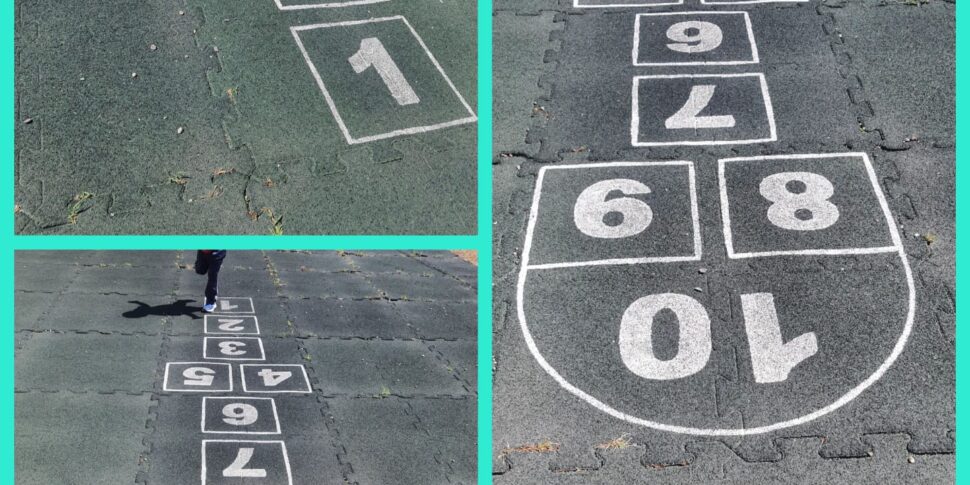
For the school year 2024/25, the Unicef Regional President Sicily Vincenzo Lorefice proposed the Unicef initiative “to the Sicilian schools”One hundred places to play“, Promoted and coordinated by the Sicilian Regional Committee for UNICEF with the collaboration of the provincial committees of the island and the Eris Training partnership. An opportunity for children, young people and adolescents to be together and regain possession of spaces of their city. An initiative aimed at promoting the importance of the game for children and families by giving the opportunity, to remind everyone, how essential it is to guarantee, to children, a safe environment, in And developing its potential. in the context of the initiative, the president Lorefice, on Tuesday 27 May 2025, has an interesting conference-debate, on the topic, which took place online and in the presence in Catania, at the Palazzo degli Elefanti, also proposed to schools, to organize an event-celebratory celebratory of the right to the game, on the dedicated world day of May 28.
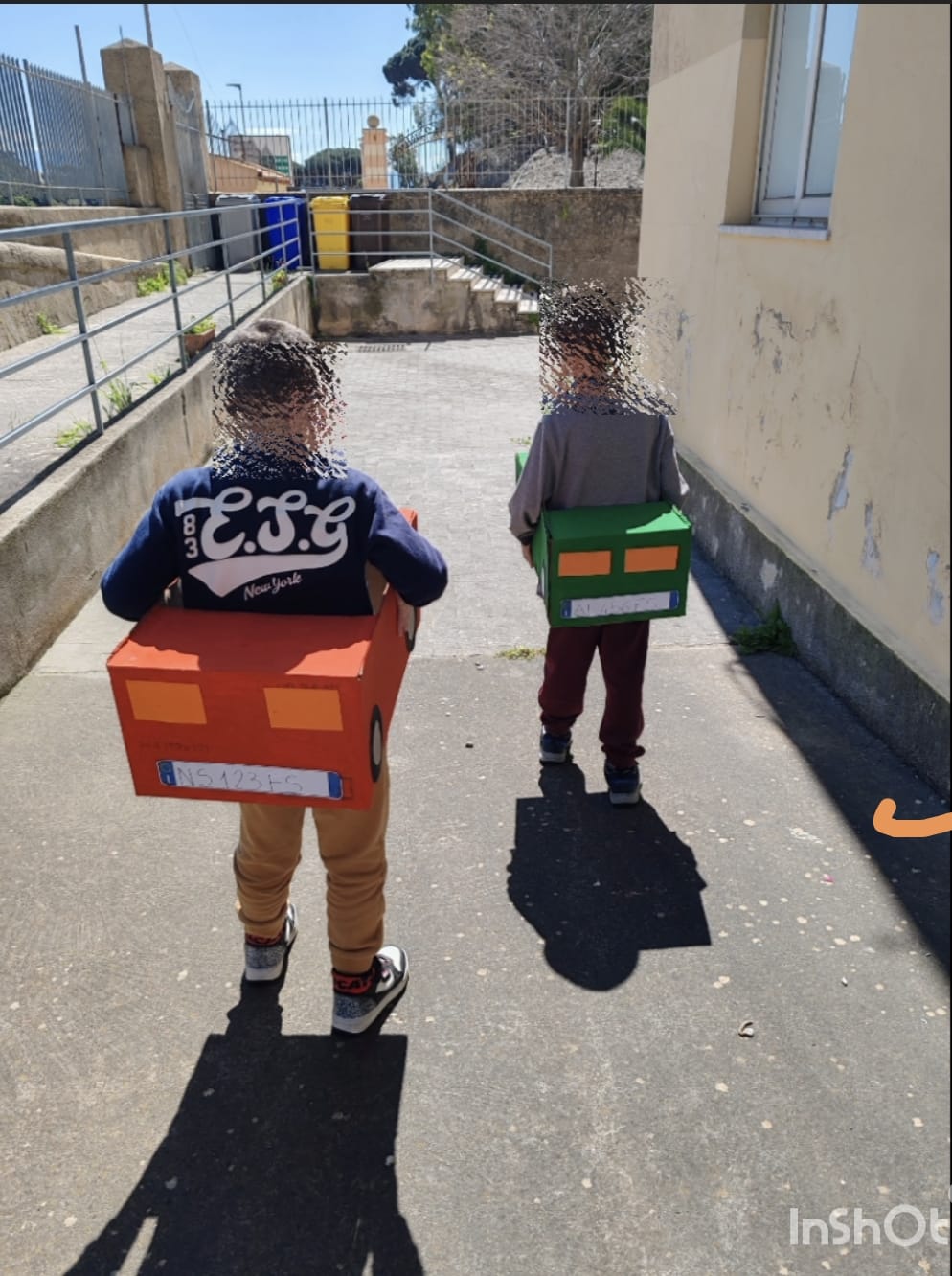
As part of this initiative La Faranda, presented the educational-educational proposal to the schools included in the Unicef-Mim national program of Messina and Province, entitled: “Playing with art”, which 17 educational institutions have joined.
Art. 31 of the UN Convention on the rights of childhood and adolescenceso reads:
1. States parties recognize the boy the right to rest and free time, to devote themselves to the game and to recreational activities of his age and to participate freely in cultural and artistic life.
2
Art. 32
States parties recognize the law of the child to be protected against economic exploitation and of not being forced to work that involves risks or is likely to endanger his education or to harm his health or physical, mental, spiritual, moral or social development.
States parties adopt legislative, administrative, social and educational measures to guarantee the application of this article.
The educational proposal: “The art of playing” provides for a didactic path to the rediscovery of the pedagogical value of the game, in the light of the theories of pedagogists who dealt with the theme. “The child owns the treasures of energy, just do not take away the key that allows him to appropriate it. This key is the interest, it is the game.” (Eduard Claparède) The game is certainly the most important activity that children need to experiment. It is the first approach to the rules that characterize social life. The playful activity is basic for its intellectual development, for the construction of the self, of abstract thought and contributes to the formation of its autonomy and independence. The game, for the child, is a strong promoter of cognitive development and learning.
All children have the right to play and for this reason the educational path is aimed at sensitizing and promoting children’s rights, rediscovering childhood in his cultural references, enhancing childhood in his educational expectations, reconsidering boys and girls in their needs and in their rights, strengthening the value and meaning of the “game”, understood as “right, educating force and growth and training strategy”.
The proposal aims to: recognize the peculiar and recurring elements of the childhood dimension, consolidate the contents of the child-adult relationship, sensitize parents to have greater care and supervise their children, leaving them less alone, giving them, a few more hours of dialogue, games together and pampering, revisiting the games of the past (even in antiquity) enhance the relationship and complicity, grandparents.
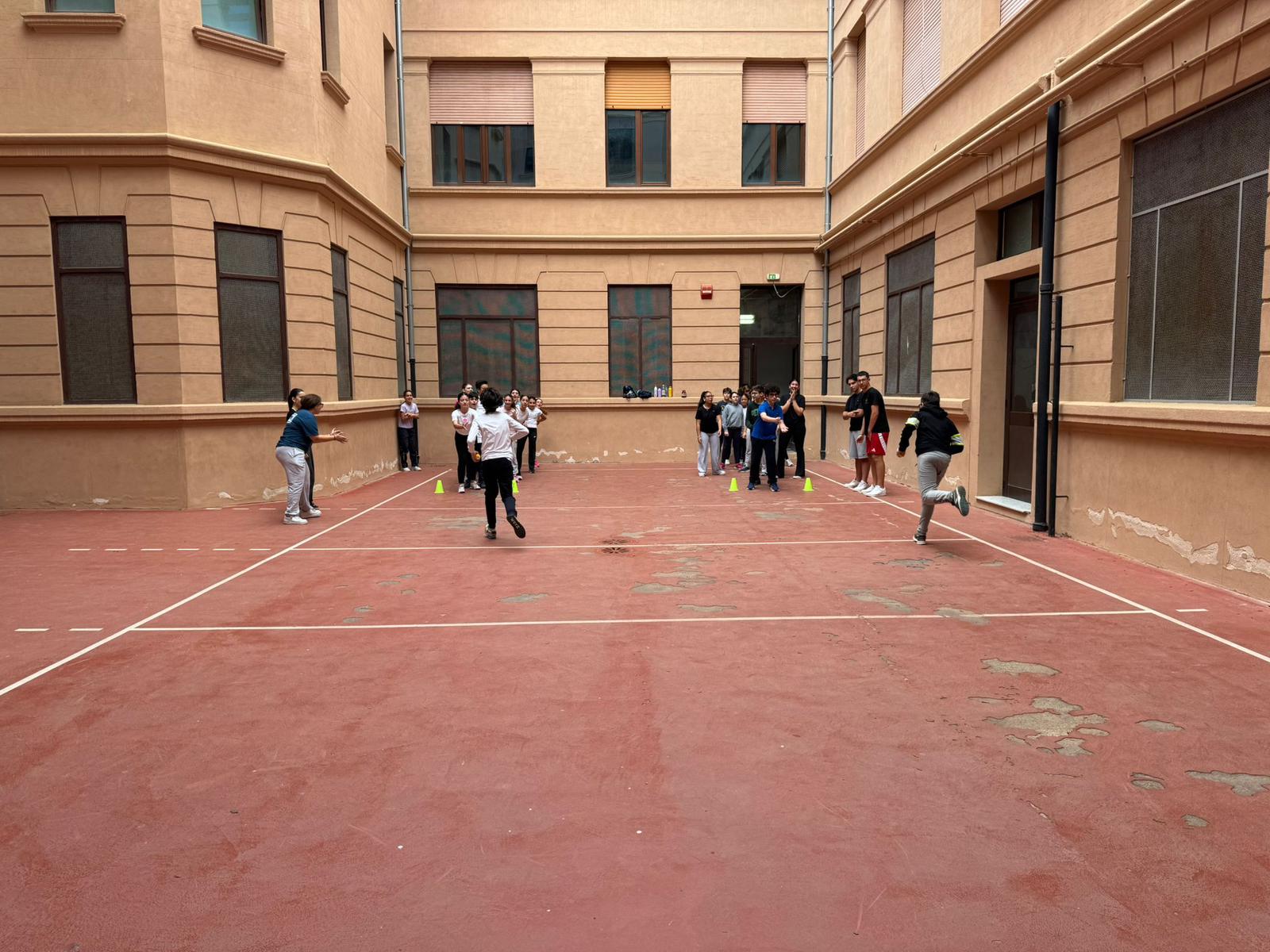
There have been multiple activities carried out and the themes faced by the teachers with children, pupils and students of the participating schools: exploration of the contexts of the present and the past, the child in the different social economic conditions, with a look at the children who live in developing countries, also using UNICEF publication: “Games beyond the sea” and publications on the right to the game published on the UNICEF website, reinterpretation of the games of the past, of other cultures and antiquity: in prehistory, in ancient Rome, in ancient Greece (Olympics) grasping the intrinsic meaning: of promoters of peace and brotherhood among peoples.
Angles dedicated to the reading and searching for texts of the past have been treated: publications by Giuseppe Pitrè (games and nursery rhymes) poems and musical compositions by Roberto Piumini, poems by Gianni Rodari, on which unpublished products were also processed. Dramatizations and theatrical performances on the topic have been created.
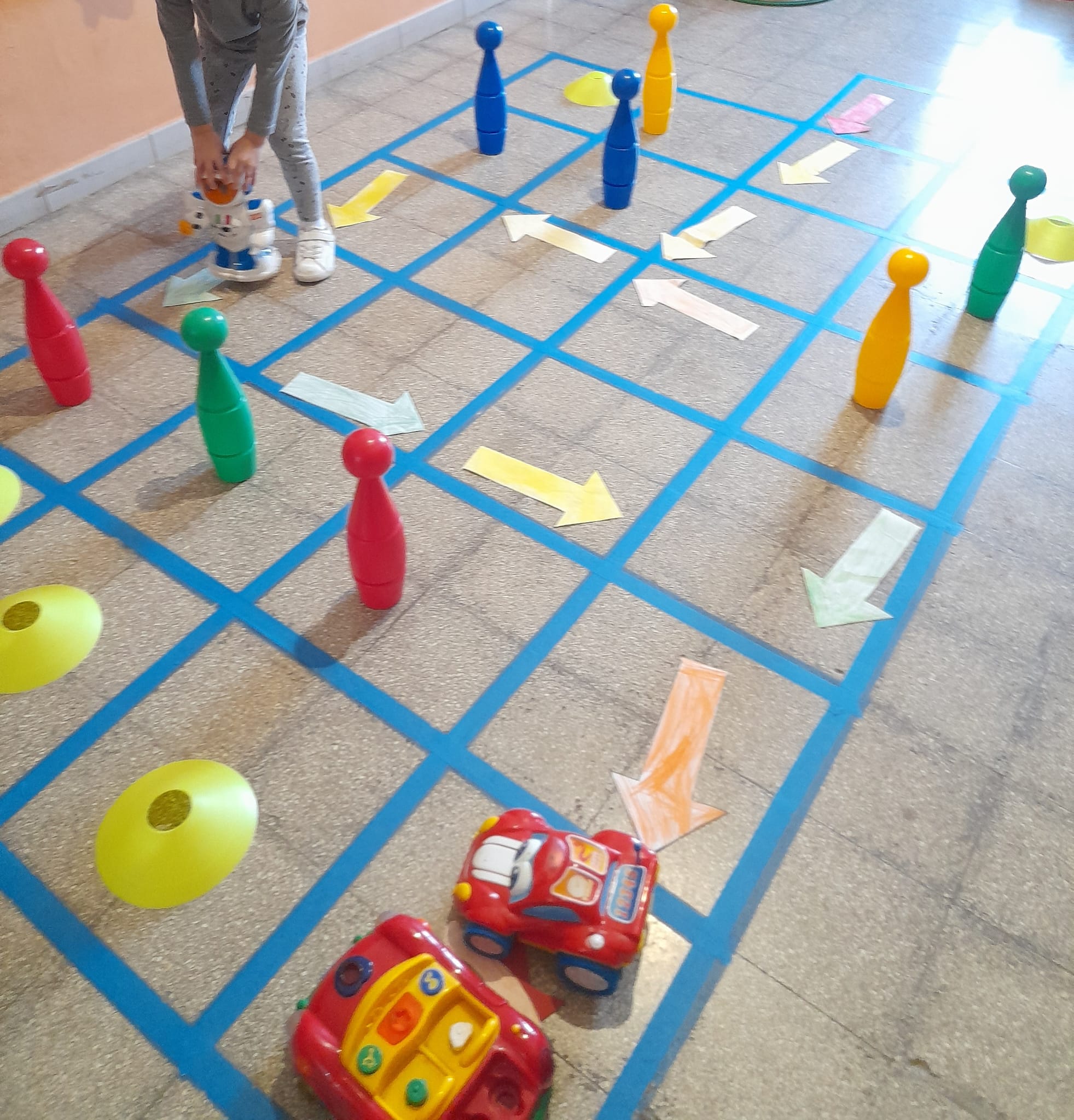
There was no lack of recreational-training activities, which involved: parents, grandparents, uncles, school operators, external experts and internal to the school community, bookstores and libraries. Some elderly people in the country participated in the activities, who entertained the pupils with tales of the past and interviews with grandparents were carried out. Laboratories and ateliers of “reinterpretation of lost games and … found, of construction of the ancient toy, of” other cultures “were activated also with the help of the didactic cards sent by President Lorefice. In these corners, games were also invented (the puzzle of emotions and some motor games) the children, pupils and students have tried in iconic and artistic elaborations and research. Tesine.
The experiences have been socialized and contextualized through the preparation of exhibitions of the documents and photographic documentation, enriching the professional dialogue between schools and teachers of different order and degree and with the territory. The documents, at the request of schools, are published on Facebook of the Messina Committee for UNICEF.
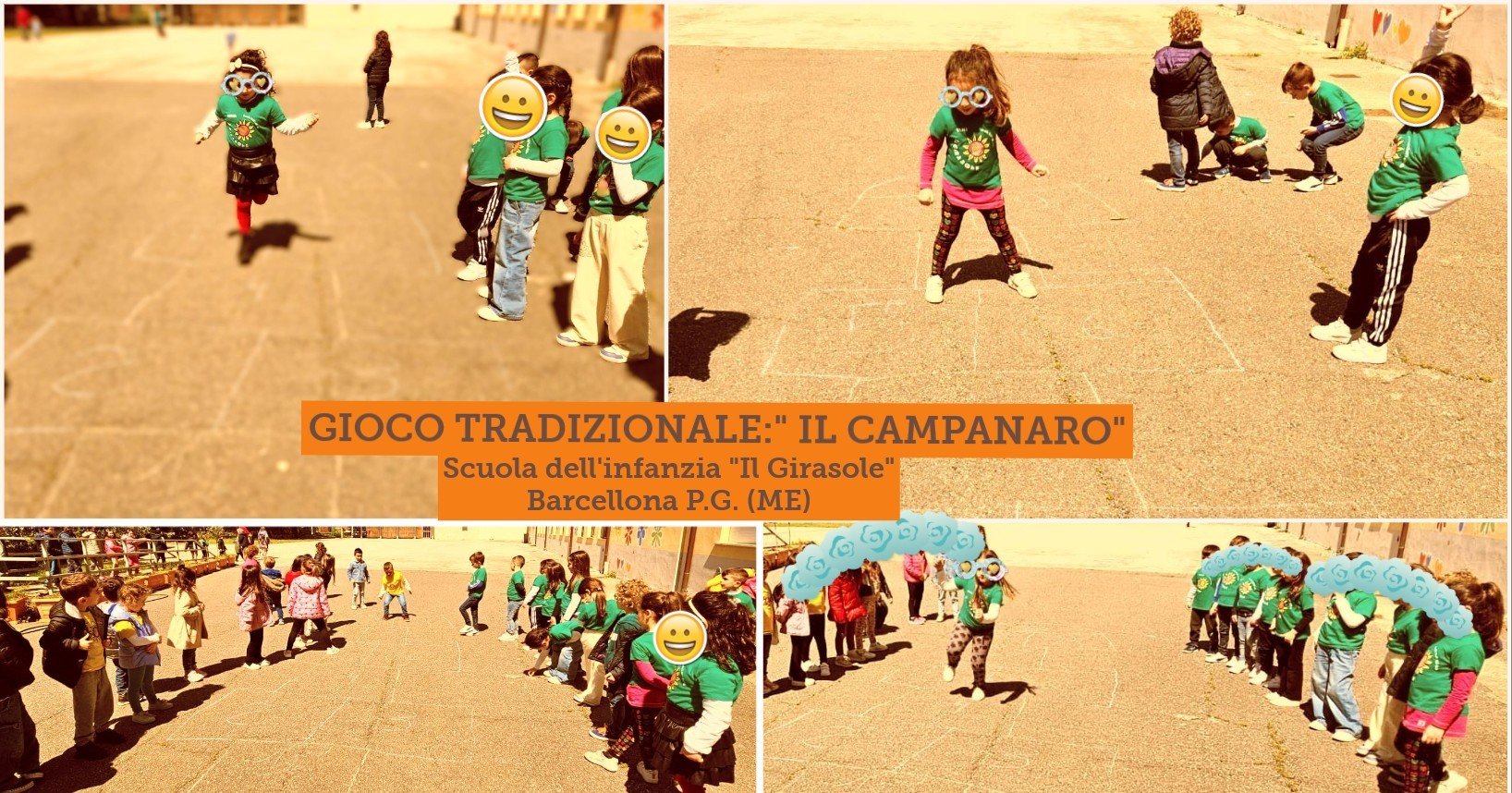
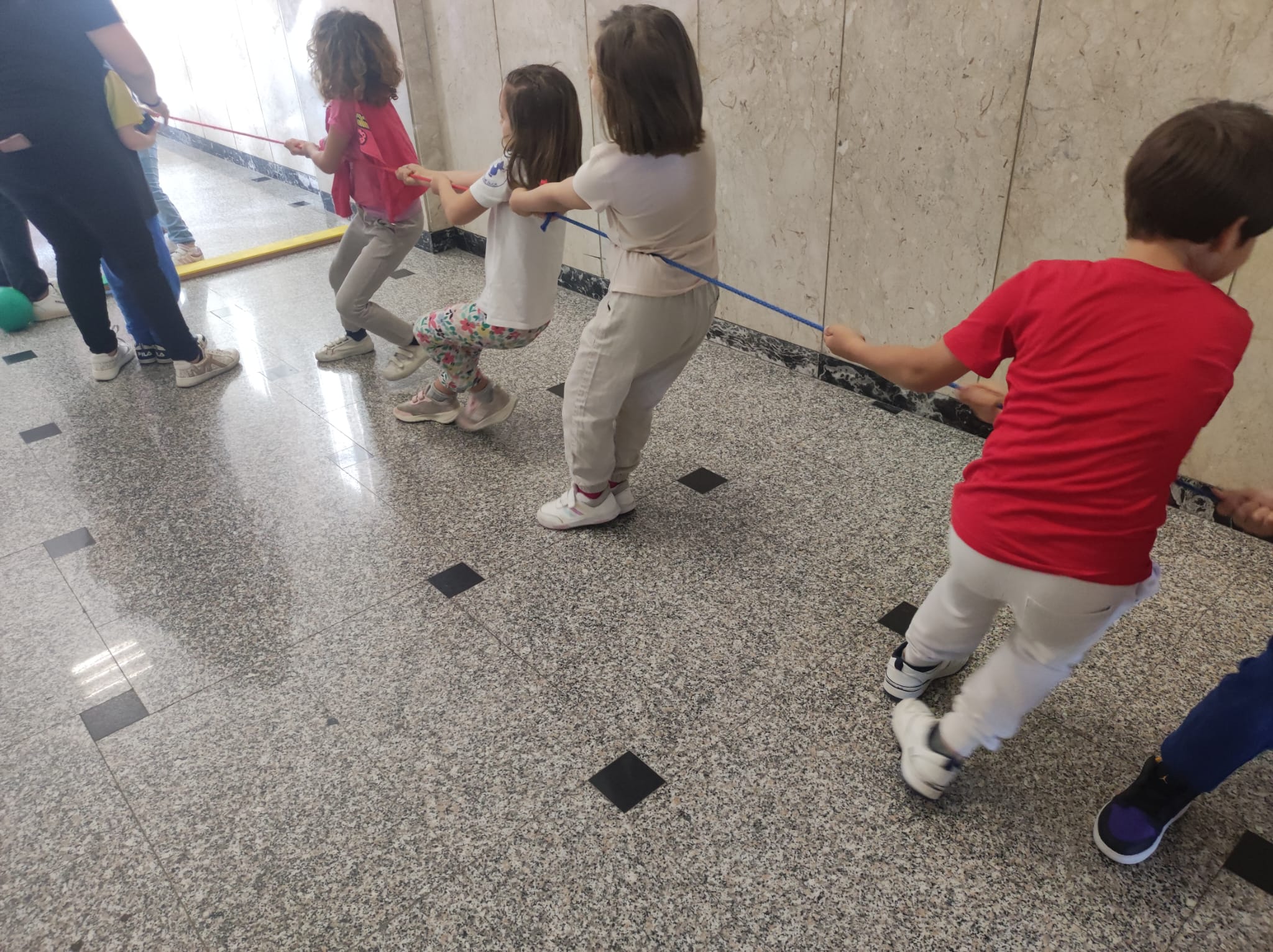
All 17 participating educational institutions carried out, in May and some will carry out in the first decade of June, the final event celebrating the right to the game: “One hundred places to play” promoted by the Unicef Sicily committee, creating a festive and inclusive atmosphere
Some teachers, for the events-manifestations, made use of the collaboration of youth aggregation centers, Messina Social City, sports associations and teachers of motor activity. The activities took place in the internal and external environments to the school (classrooms, corridors, androni and courtyards) in the theater, in the alleys of the villages. The mini institute Olympics were held in Aicune Schools. Some students have engaged in the plogging of the beach and then try their hand at a singular challenge: games of today and the past, it was played on the promenade and also on the didactic farm. The activities saw continuity with the different school orders and with other different schools. In the square, parents and the elderly descended, who interacted with the little ones. Some dramatizations were presented “Pinocchio in the country of rights with recreational essay” “Interreligious dialogue with the presentation of multicultural games”, essays, tournaments, lady, chess, volleyball and healthy competitions, in compliance with inclusive cooperation, rules and kindness.
There are 17 institutes who joined the educational proposal Directed by Angelo Cavallaro, Domizia Arrigo, Maria Concetta D’Amico, Giovanni Maisano, Santo Longo, Nicola Labate, Carmela Pino, Felicia Maria Oliveri, Luigi Genovese, Carla Santoro, Rossana Ingrassia, Germana Lanzafame, Concetta Carnabuci, Antonina Milici, Giovanna De Francesco, Delfina Guidaldi.
The comprehensive institutes of Messina participating with the related teachers of the relevant institute referents are: “Giuseppe Catalfamo” (Eloisa Cariddi and Antonella Baccelliere); “Gravitelli Paino” (Barbara Inferrera); “Villa Lina-Ritiro-Battisti-Foscolo” (Marcella Millimaggi); “Vittorini” (Elena Fileti); “Boer-Verona Trento”, (Alessandra Timmoneri and Tinder Vinciullo); “Mazzini” (Annabella Cavallaro and Luana Campanella). From Barcellona Pozzo di Gotto have joined the comprehensive institutes “Luigi Capuana” (Marisa Stroscio); “Foscolo” (Maria Giovanna Recovery); “Nino Balotta” (Giusi Bellinvia). Other Institutes of the Province: “Foscolo” of Taormina (Elsa Muscolino), “Villafranca Tirrena” (Anna Romeo); “Judge Rosario Livatino” of Roccalumera (Clara Savoca and Cinzia Storione); “Novara di Sicilia” (Giacoma Crisafulli and Carmelina Torre); “Lombardo Radice” by Patti (Giuseppina Caffarelli). The proposal also joined the “Maurolico classical high school” of Messina (Costantino Lauria); The adjoining “Galileo Galilei” scientific high school in Spadafora (Emanuela Vaccaro) and the “Renato Guttuso” artistic high school in Milazzo (Liliana Capilli).
The initiative was also attended by Eris Training, also the Messina Comprehensive Institute “Enzo Drago”, directed by Virginia Ruggeri (Referent teacher Valentina Paradiso). The event, curated by the President of the Unicef Committee of Messina Francesca Albierohas involved the 2 complexes of the Institute, the central one and the “Prince of Piedmont”.