

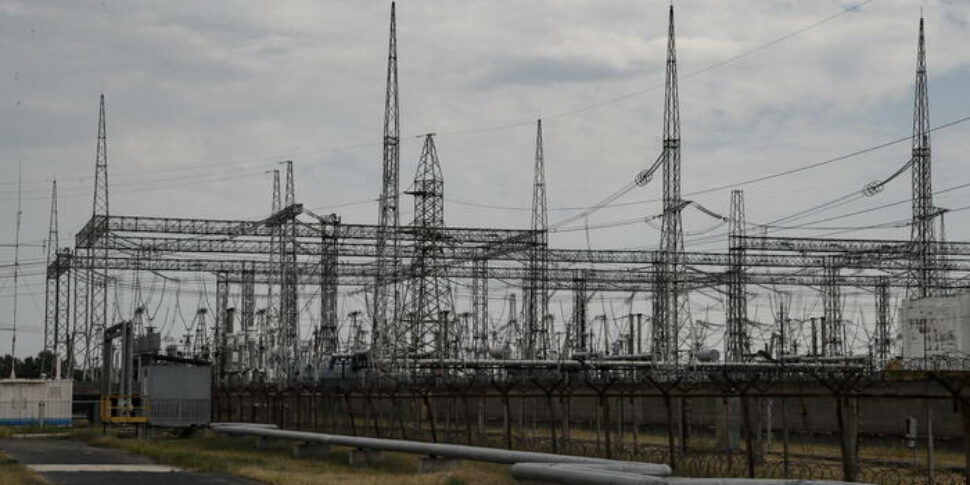
The Ukrainian nuclear power plant in Zaporizhzia is on the fourth consecutive day of Blackout, as made known by Kiev and Moscow who accuse each other from having bombed the power supply lines.
Although blackouts in the largest nuclear power plant in Europe are frequent due to its proximity to the front line, the current one is the longest ever occurred since the beginning of the war in February 2022; This, the experts warn, increases the risk of nuclear accidents.
“Following the Russian actions, the Zaporizhzia nuclear power plant remained without current for the fourth day,” said Foreign Minister Andriy Sybiga on X. Russia said that the control unit receives a reserve feeding since Tuesday, when Kiev’s forces would have attacked the electricity grid. “From September 23, 2025, the power supply for the needs of the Zaporizhzia nuclear power plant is supplied by Diesel reserve generators, “said the owner of the plant, adding that there are” enough “reserves of diesel to work” for a prolonged period “, without specifying how long exactly”. Emergency diesel generators are considered the last line of defense to be used only in extreme circumstances, “said the Ukraine Greenpeace NGO.
The head of the United Nations nuclear agency (Aiea), Rafael Grossi, was in Moscow this week for interviews with President Vladimir Putin and Russian Nuclear Agency Rosatom regarding the security in Zaporizhzia. The six reactors of the plant, which before the war produced about a fifth of Ukrainian electricity, have been turned off since Moscow took control of the plant in the first weeks of war in 2022. But the plant needs energy to maintain cooling and safety systems, which prevent the merger of the reactors, a process that could trigger a nuclear accident.
Since the beginning of the war, Zaporizhzia has had to face multiple security threats, including frequent bombings nearby, repeated current and staffing interruptions. Located near the city of Enerhodar, along the Dnepr river, the Zaporizhzia nuclear power plant is close to the front line. Both Moscow and Kiev repeatedly accused each other that they have risked a potentially devastating nuclear disaster by attacking the site.