

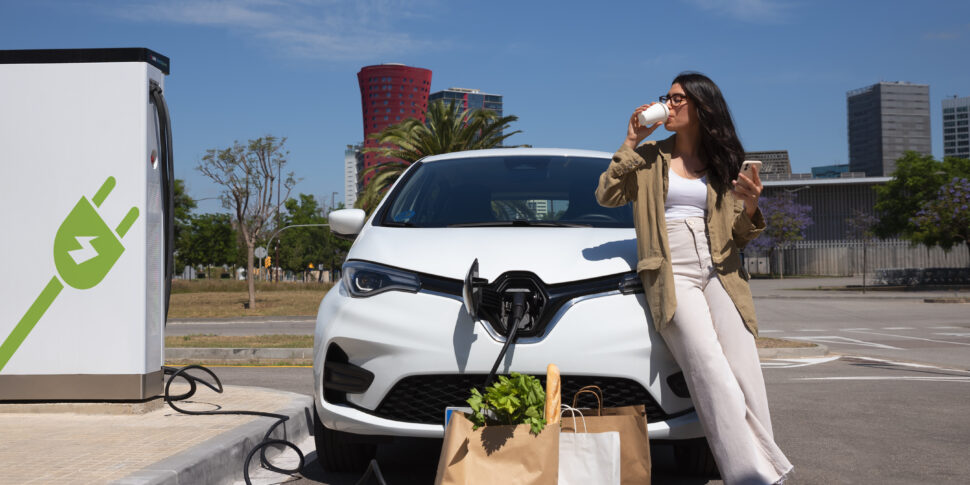
Born between tensions and compromises, he split governments and divided the industry, but remains the symbol of the European green transition. The stop to the sale of cars and petrol and diesel vans since 2035, one of the pillars of the climate package “Fit for 55”accompanies Europe to zero emissions in 2050. A decision that bears the signature of Ursula von der Leyen from the first term and that is destined to be recalibrated.
Zero emissions to 2035: From 2035 the new cars and vans will have to reduce CO2 emissions by 100%, putting an end to the entry of thermal motor vehicles.
Intermediate target: By 2030, manufacturers will have to reduce the emissions of new cars by 55% and 50% of new commercial vehicles.
Revision: The revision, expected for the beginning of 2026, began to save hybrid engines, sanctioning the principle of technological neutrality. White paper will be granted to new or other technologies for the post-2035, such as E-Fuel (requested by Berlin), biocarbudi (dear to Italy), and plug-in hybrid vehicles and range extenders.
Motor Valley derogation: Niche producers (less than 10,000 cars or otherwise of 22,000 vans per year) will be able to continue selling vehicles with thermal engines until the end of 2035, obtaining one more year to adapt. For those who produce less than 1,000 vehicles, a total exemption from the EU provisions are expected.
Used excluded: In 2035, cars powered in the traditional way will continue to circulate. The stop concerns only the sale of new vehicles.
Incentives: The Zlev bonus, which grants more flexibility on the manufacturers emissions that enter the market a greater share of electric and hybrid cars, will be eliminated by 2030. Brussels is studying incentives for purchase, social leasing programs and the electrification of corporate fleets.
Funds: Fresh resources are limited. The EU executive opts for a remodeling of existing funds, allocating 1 billion from Horizon Europe for innovation, 500 million for columns and 1.8 billion for European batteries in the next two years.
Lightened fines: In May Europe introduced greater flexibility on sanctions for car manufacturers who are unable to adapt to intermediate standards. Conformity will be calculated over three years, and not on one, to avoid the risk of fines estimated at 15-16 billion.
Monitoring: Brussels will present a methodology by 2035 to evaluate and communicate the data on CO2 emissions throughout the life cycle of vehicles. The Commission will publish a relationship on progress every two years.