

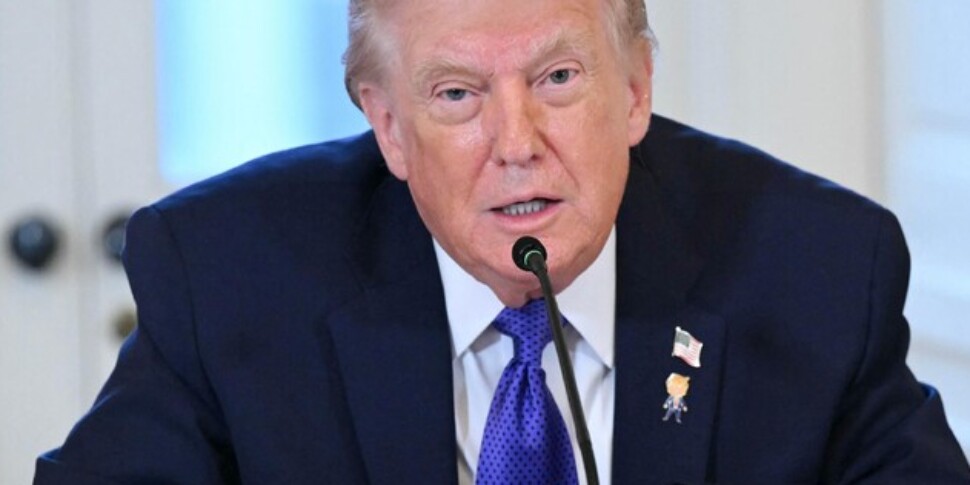
Just sixty minutes after Donald Trump’s catastrophic ultimatum expires, the world breathes a sigh of relief: Washington and Tehran have reached an agreement for a two-week ceasefire. A lightning truce that removes, at least for now, the specter of a total conflict, but which already opens the first diplomatic fronts on the real conditions of the agreement.
Trump rejoices: «Total victory 100%»
The American President, in an interview given to AFP immediately after the announcement, used triumphalist tones: «It is a total and complete victory. There’s no doubt.” Trump avoided repeating the threats to destroy Iran’s infrastructure, instead appearing optimistic about the nuclear dossier: “The uranium issue will be resolved perfectly.”
The role of Pakistan and the “Yellow Lebanon”
The success of the mediation is largely attributed to Islamabad. Pakistani Prime Minister Shehbaz Sharif announced on X that the agreement provides for an immediate and global ceasefire, specifying that the truce applies “everywhere, including Lebanon”. However, Israel’s version sharply diverges. Benjamin Netanyahu’s office, while supporting Trump’s decision, set strict conditions: immediate reopening of the Strait of Hormuz; cessation of all attacks against the USA and Israel; exclusion of Lebanon: «The ceasefire does not include the Lebanese front», the Israeli government categorically declared, effectively denying the Pakistani version.
The reactions between relief and prudence
The international community welcomed the news, while underlining the fragility of the moment. For the UN, Secretary General Antonio Guterres urged the parties to respect international law to transform this truce into a “lasting peace”.
«I welcome the announcement by the United States and Iran of a two-week ceasefire. I urge all parties to respect its terms in order to achieve lasting peace in the region. The EU stands ready to support ongoing efforts and remains in close contact with its partners in the region. I thank Pakistan and all the other parties involved in facilitating this agreement” says the President of the European Council Antonio Costa.
Tokyo (which imports 93% of oil via Hormuz) and Seoul are asking for concrete guarantees on freedom of navigation. Strait security remains the priority for the Asian economy.
Baghdad hopes for a serious dialogue that addresses the “root causes” of the conflict to prevent tensions from rising again in 14 days. Australia and New Zealand have expressed relief at the falling human cost, but warned that diplomatic work is only just beginning.
While oil already reflects the easing of tension, all eyes remain on Friday’s negotiations in Islamabad. The next two weeks will be a crucial test to understand whether the “10 points” of the Iranian proposal can really be transformed into a peace treaty.