

Add the Gazzetta del Sud as a source
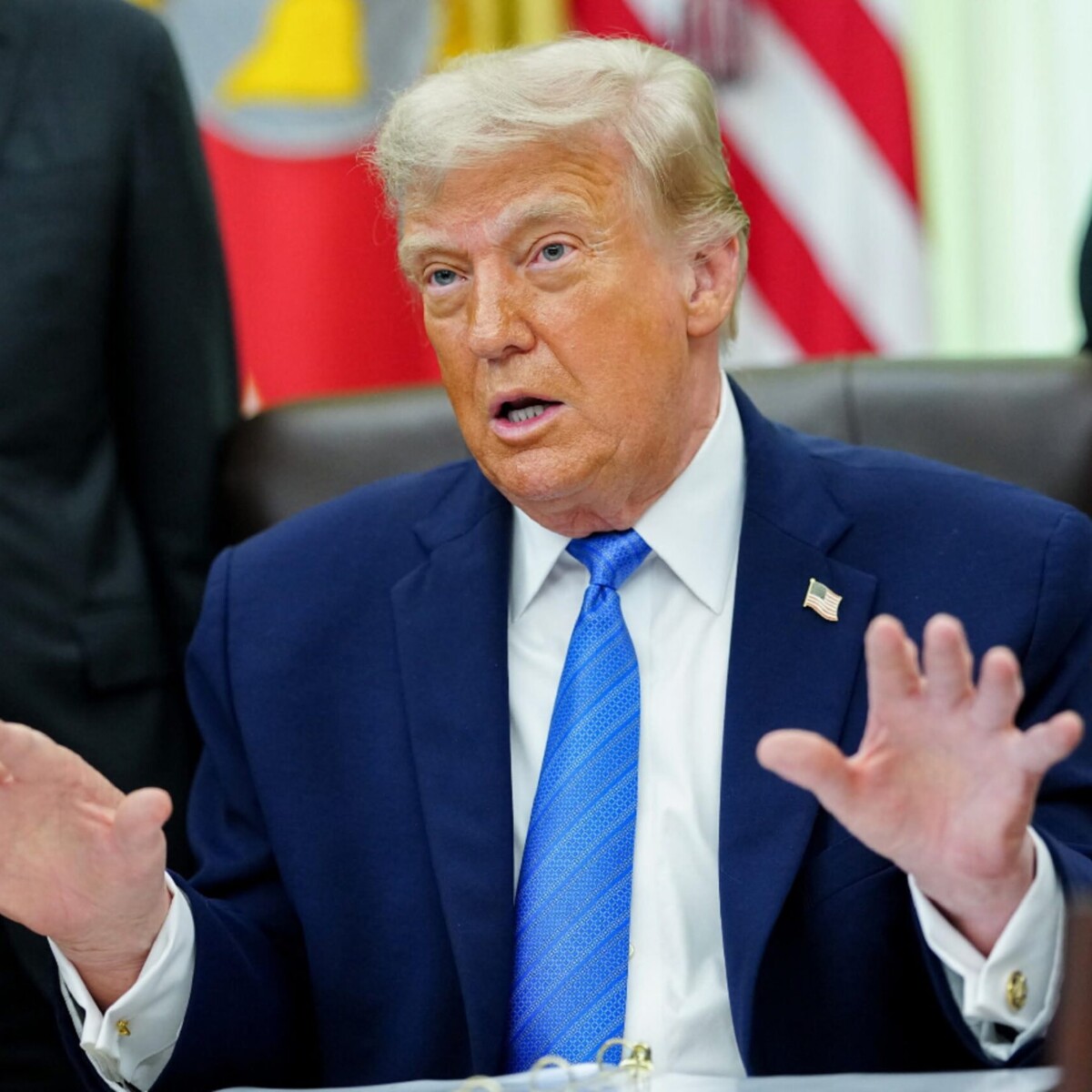
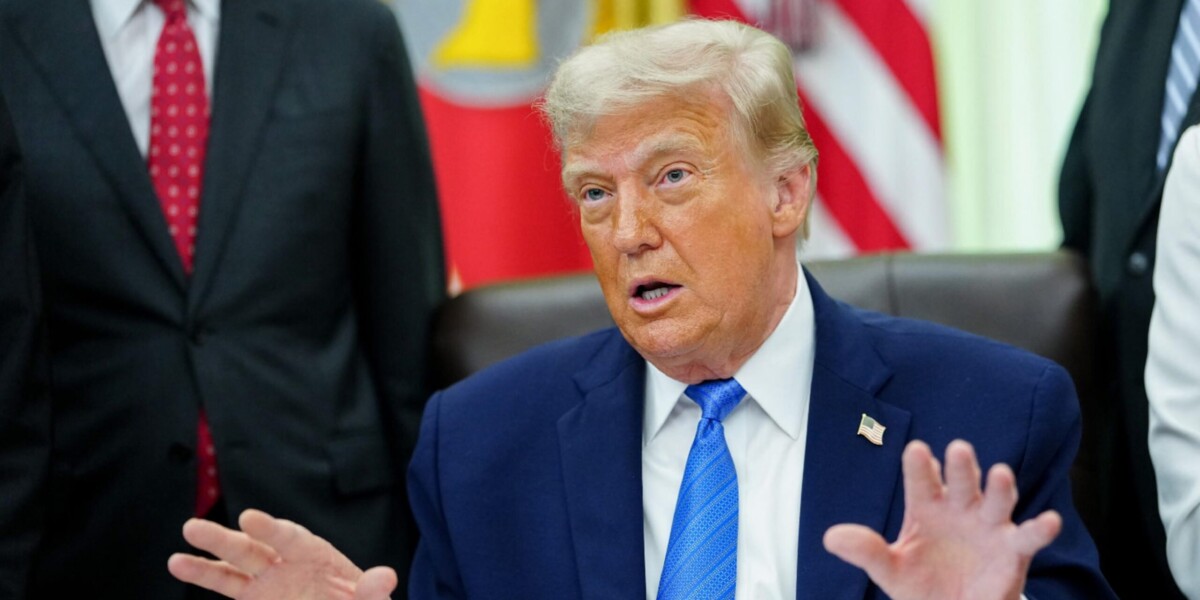
The Supreme Court maintains ius soli, dealing a blow to Donald Trump. The abolition of the right of citizenship by birth was one of the flagships of the tycoon’s campaign and one of the first measures signed in the Oval Office was its abolition.
A divided Supreme Court, 5-4, rejected Trump’s restrictions on birthright citizenship, invalidating a pillar of his immigration policy. The court ruled that an executive order issued by Trump hours after he took office last year was inconsistent with the Constitution’s Fourteenth Amendment. In favor of maintaining the ius soli were John Roberts, Sonya Sotomayor, Helena Kagan, Amy Comey Barrett and Ketanji Brown Jackson.
Trump’s executive order and the challenge to the 14th amendment
On January 20, 2025, the first day of his return to the White House, Donald Trump signed an executive order in which he established that people born in the United States would no longer automatically acquire citizenship if their parents lacked adequate legal status. In practice, the tycoon attempted to reinterpret a clause of the 14th Amendment, the one ratified in 1868 to guarantee the civil rights of former slaves after the Civil War and which became federal law in 1940.
According to the amendment, in fact, ius soli is guaranteed to anyone born in the United States and is “subject to their jurisdiction”. But Trump’s executive order argues that children of illegal immigrants or temporary visa holders do not fall under this principle. The American Civil Liberties Union and other civil rights groups quickly sued the administration on behalf of several affected families.
The ‘Trump vs Barbara’ case and the appellant’s story
The case, ‘Trump vs. Barbara’, takes its name from the pseudonym of one of the plaintiffs, a Honduran asylum seeker living in New Hampshire who feared her baby, born in October 2025, would be stripped of his US citizenship. The woman fled her country with her husband in 2024 to escape the ‘Mara 18’ gang. She said she chose to remain anonymous out of fear that the Trump administration or its supporters might retaliate against her family for making their story public.
The legal battle in the courts and the use of the nine wise men
After the lawsuit, several federal courts blocked the administration from implementing the executive order, ruling that it violated the Constitution, more than a century of Supreme Court precedent and long-standing federal law. Faced with the prospect that the measure could remain suspended indefinitely, the Trump administration turned to the Supreme Court in the spring of last year, asking the justices to rule on whether lower courts could issue “universal” or “nationwide” injunctions, or orders that prohibit the enforcement of laws or policies anywhere in the country. By a vote of 6 to 3, the highest court ruled that this was not permitted.
However, after that Supreme Court decision the proceedings challenging the merits of the tycoon’s ius soli provision continued in the lower courts. On July 10, 2025, a federal judge in New Hampshire issued a protective order preventing the government from enforcing the measure against children born after February 20, 2025, who were or would be denied U.S. citizenship under that order.
The Republican administration then presented a new appeal to the highest court asking to review the judge’s decision. And so we arrived in April 2026 when the nine wise men listened to the arguments of the ‘Trump vs Barbara’ case. An issue so complicated and divisive that another three months passed before the sentence.