

Add the Gazzetta del Sud as a source
If the authors are (cover sings…) Michelangelo Buonarroti and Emilio Isgrò, what can we say about these «Madrigals»? Written by four hands or deleted by four hands? A legitimate question given that Isgrò’s erasures also have a meaning of writing and that, as Michelangelo did with marble, they work “to remove” with creation as their aim. «Deleting does not mean not saying, but saying in another way», the Barcelona artist has always said. A concept that is reaffirmed in this splendid publication published by Coup d’idée by Enrica Dorna (Turin), an authentic art book printed with meticulous and artisanal care.
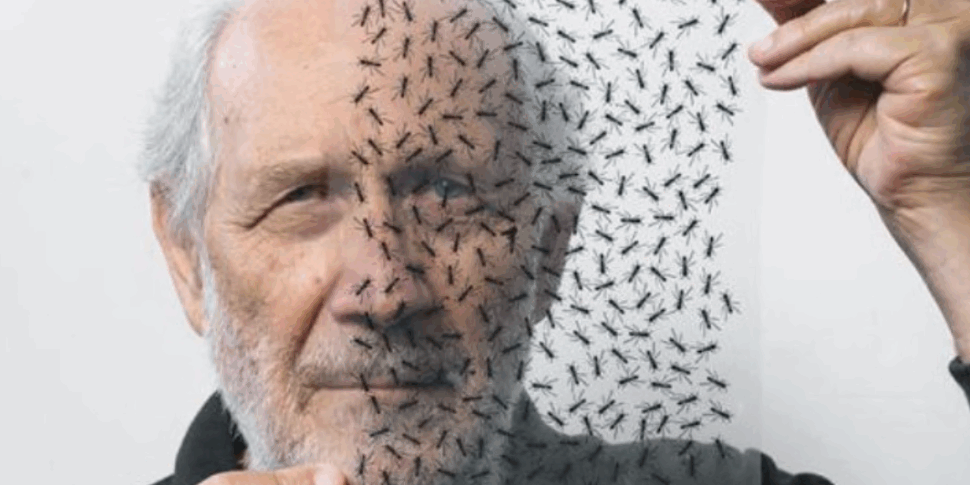
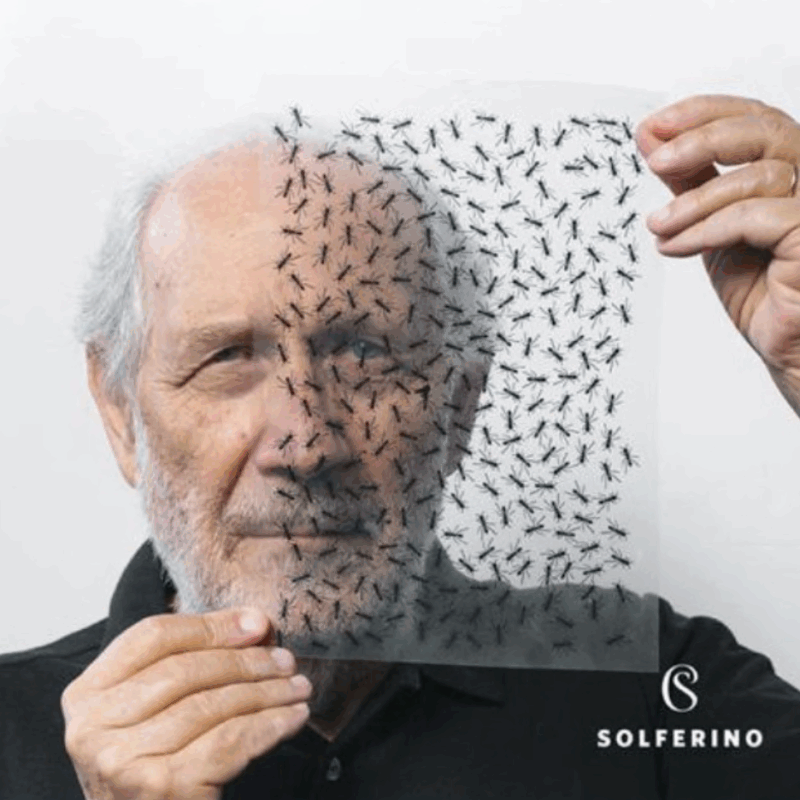
An example? Isgrò adds to the erasures, this time grey, his beloved ants and also many other insects (ladybugs, beetles, dragonflies, flies, caterpillars and colorful butterflies) which, when moving the book, appear shiny as if they were in relief but instead they are not. However, the two ants that accompany the head of Michelangelo’s famous David on the cover “appear” to the touch.
So once again Isgrò hits the mark. It is enough to cite the first and last pages of the book to clarify how, in some way, the intentions of the great Buonarroti, here the author of painful rhymes, and the artistic-literary refinements of the “eraser”, who always operates on the border with poetry, end up coinciding. «Oilmè, oilmè… tied and» is what remains clear of the first madrigal, while, this time surrounded by red ants, «to last a short time, I feel no less than the pain… and I see… grace» are the words of the last poem.
In the journey of Michelangelo (who, in addition to expressing the creative tension towards the pinnacle of art, also suffered from love pains for the young Tommaso de’ Cavalieri), Isgrò engages with the contemporary needs of rediscovering the conditions to escape from the lament (oilmè) and arrive industriously (the ants) until seeing the light again (veggio grazie), as man, helped by nature (the many different insects), is able to do.
In this journey towards the possible vision of grace, it is certainly no coincidence that one of the words that most often survives erasures is “woman”, emblem of a social and philosophical renewal compared to the failing chauvinist society.
«Draw in me… as I do in stone» remains on another page, legitimizing how and why Isgrò draws (let’s not forget that the shapes and rhythm of the erasures are drawing) in Michelangelo.