

Add the Gazzetta del Sud as a source
An eight-year-old girl, Lillian Smart, died in Louisiana due to a very rare and almost always fatal brain infection caused by the parasite Naegleria fowleri, known as the “brain-eating” amoeba. The news was spread by the US media and confirmed by the family.
Bathing in the lake and shelter
The little girl, originally from Lincoln County, contracted the infection in mid-August after swimming in the fresh waters of Lake Claiborne. Rushed to Shreveport on August 15, Lillian died on Saturday, the day after her eighth birthday, due to severe injuries caused by primary amebic meningoencephalitis (PAM).
How the amoeba works
The unicellular organism develops in warm freshwater basins during the summer months and enters the human body exclusively through the nasal cavities, traveling up to the brain tissue. Health authorities remind you that the infection is not transmitted either by ingestion of water or from person to person.
Very rare cases, lethality over 97%
Despite the extreme rarity of the cases – just over 180 in the United States since 1937 – the mortality rate exceeds 97%. Experts underline how the progressive warming of internal waters, linked to climate change, is increasing the risks of proliferation of the parasite even in previously unaffected areas.
What is Naegleria fowleri
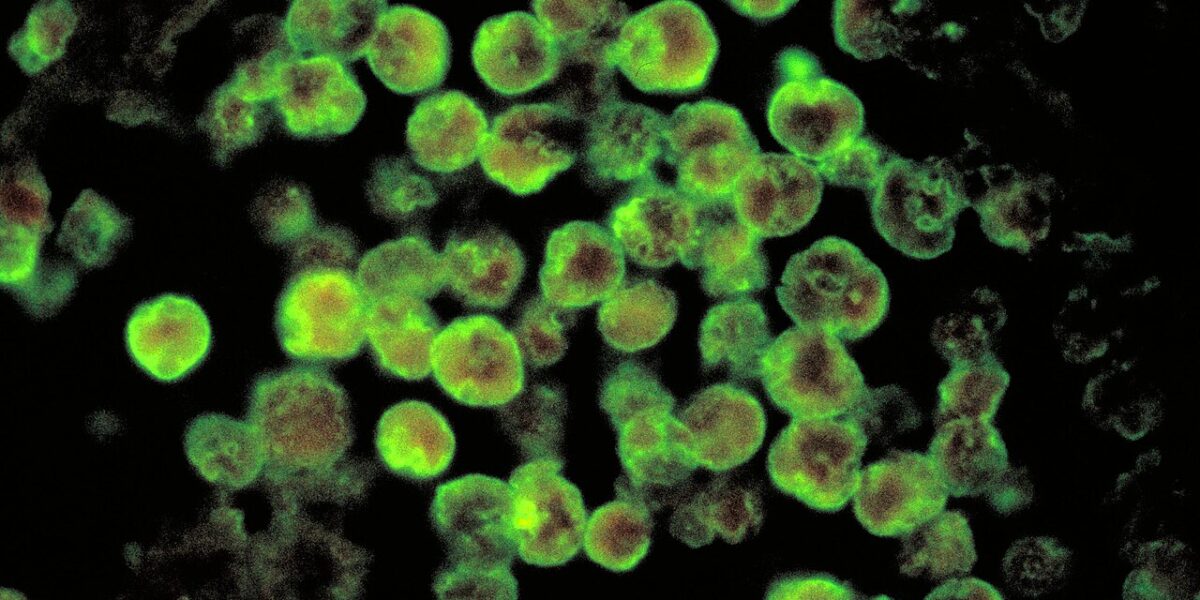
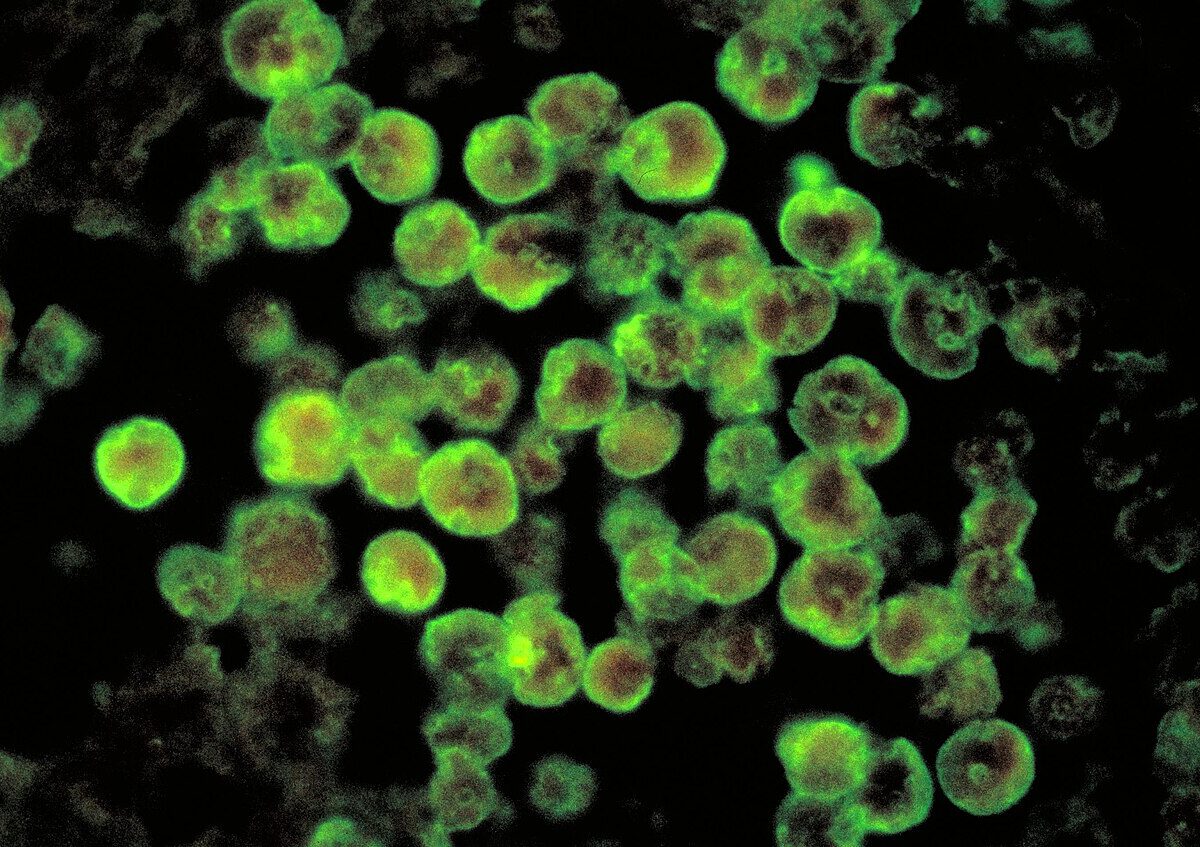
Naegleria fowleri is a free-living unicellular organism – neither a bacterium nor a virus, but a protist – that lives in the soil and in the warm fresh waters of lakes, rivers, ponds and thermal springs, where it proliferates especially in summer. In nature it feeds on bacteria and infects humans only by accident: contagion occurs only when contaminated water rises into the nasal cavities and the microorganism reaches the brain along the olfactory nerve.
The resulting primary amoebic meningoencephalitis begins with symptoms similar to those of bacterial meningitis – fever, violent headache, nausea, vomiting, stiff neck – and is therefore difficult to recognize in time. The course is sudden and there is no standard therapy: according to the American CDC, since 1962 there have been only four confirmed survivors in the United States. In the USA, infections have also been documented through nasal washing performed with contaminated tap water.
Italy is not entirely unfamiliar with the parasite: the only confirmed case dates back to the summer of 2003, when a 9-year-old boy died after swimming in a pool in the Po river; the case was described the following year by researchers at the University of Padua on Emerging Infectious Diseasesthe CDC magazine. In Europe, infections had been recorded in the past, especially in the Czech Republic, Belgium and the United Kingdom. The prevention recommended by health authorities is simple: keep your nose closed or use a nose clip when diving into warm fresh water, keep your head out of the water in hot springs and use only sterile or boiled and cooled water for nasal washes.