


Add the Gazzetta del Sud as a source
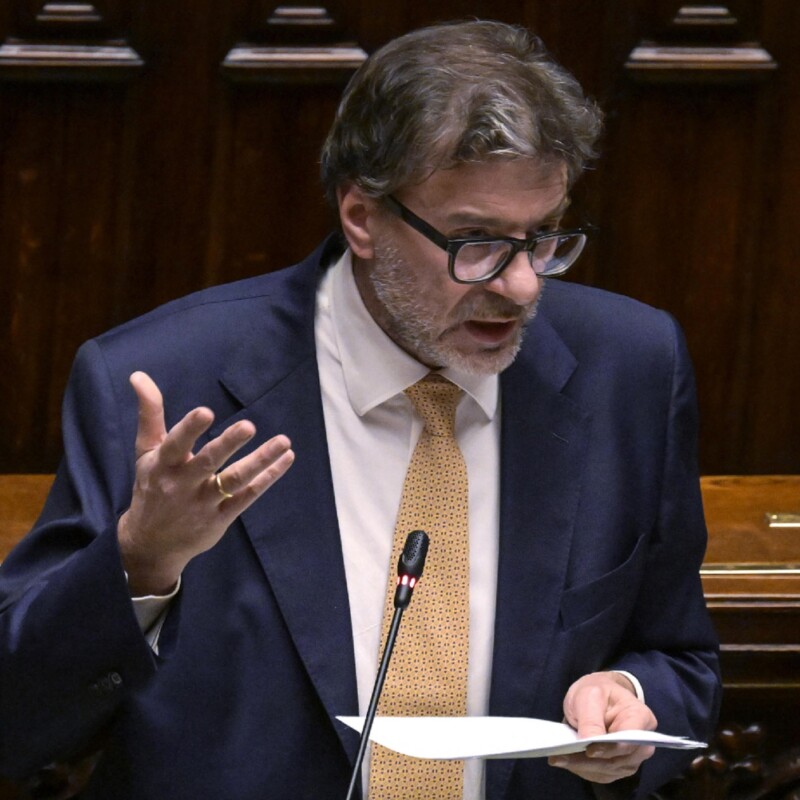
On the banks that the League would like to tax more, the Minister of Economy Giancarlo Giorgetti does not say too much, “if you introduce elements of competition into the system, you see that some positional incomes and some extra profits are automatically lowered to the benefit of the community”. Instead, on the budget table, there is the idea of a “tax advantage” for companies willing to raise salaries, especially for young people. And “the opportunity to further raise the limit regarding the flat tax”.
There is also a mention of the League’s proposal on retiring at 64: a proposal that aims to “correct a distortion between those who started working before 1996 and those who started working after 1996” even if the system must “obviously guarantee long-term sustainability”. It is in one of the sessions of the League’s initiative entitled ‘In your defense – towards the 2027 budget’ that Giorgetti outlines some of the coordinates of the budget law, giving a glimpse of the destination of some of the resources that could be indirectly freed thanks to the deviation linked to the flexibility granted by the EU for defense and energy expenditure. Overcoming the “limit, rather abstruse and in my opinion unjustified, of the Europe with which we must negotiate”.
That limit, to date, stops the income from VAT numbers at 85,000 euros to which the preferential rate of 15% is to be applied and for some time the League has been toying with the idea of rising to 100,000 euros. A move that would come in the year of the political elections and sees the opposition raise, even at a European level, the issue of fairness due to the much higher rate paid by employed workers. Referring to the tax relief, recognized by the 2026 budget, for companies that renewed their contracts, Giorgetti then evokes the League’s proposal regarding the adjustment of wages now that inflation is at 3.3%, at a three-year high and is eating up purchasing power. “I think that we must make a proposal for a tax advantage” – says the minister at the Northern League event – a “preferential taxation, a sort of flat tax” for salary increases, aimed at young people and “which goes hand in hand with the availability of companies”, is the minister’s premise.
Also to stem the brain drain. It is on the banks, on the resources side, that the Minister of Economy does not go too far after his party’s proposal but which sees the clear opposition of Forza Italia: a 5% contribution from the banks, against over 50 billion in profits, from which the aim is to obtain 2-3 billion euros of resources to be allocated to supporting families and businesses in the face of high energy prices, and to strengthening security. “If you introduce elements of competition into the system, you see that some positional incomes and some extra profits are automatically lowered to the benefit of the community”, replies the minister to a specific question.
«Is there competition between banks? Is there competition between banks in offering credit terms to entrepreneurs or in transferring a pensioner’s current account?” asks Giorgetti rhetorically. In the background there is the cost of energy, with oil around 100 dollars and gas reaching 75 euros. The theme of European budget constraints and debt, with global shocks starting from the USA and Japan and touching the euro area. Precisely in Europe the minister has proposed zero commissions for mini payments with digital euros, those up to 10 euros. According to Giorgetti, the government has brought “the boat to safe waters, which is very important because not all of my colleagues around the world feel so calm” given the market turbulence, says Giorgetti, referring to the concept of the “floating” boat expressed in Cernobbio two days ago. “I define myself as a sovereignist” – reiterates Giorgetti – in the sense of “defending the interests of Italians” and “the first thing, when you have a mountain of public debt like the one accumulated, is to be able to emancipate yourself from the blackmail of the market” which can send you upside down”: do everything possible “within the reality principle, otherwise risks are always possible”.