

Add the Gazzetta del Sud as a source
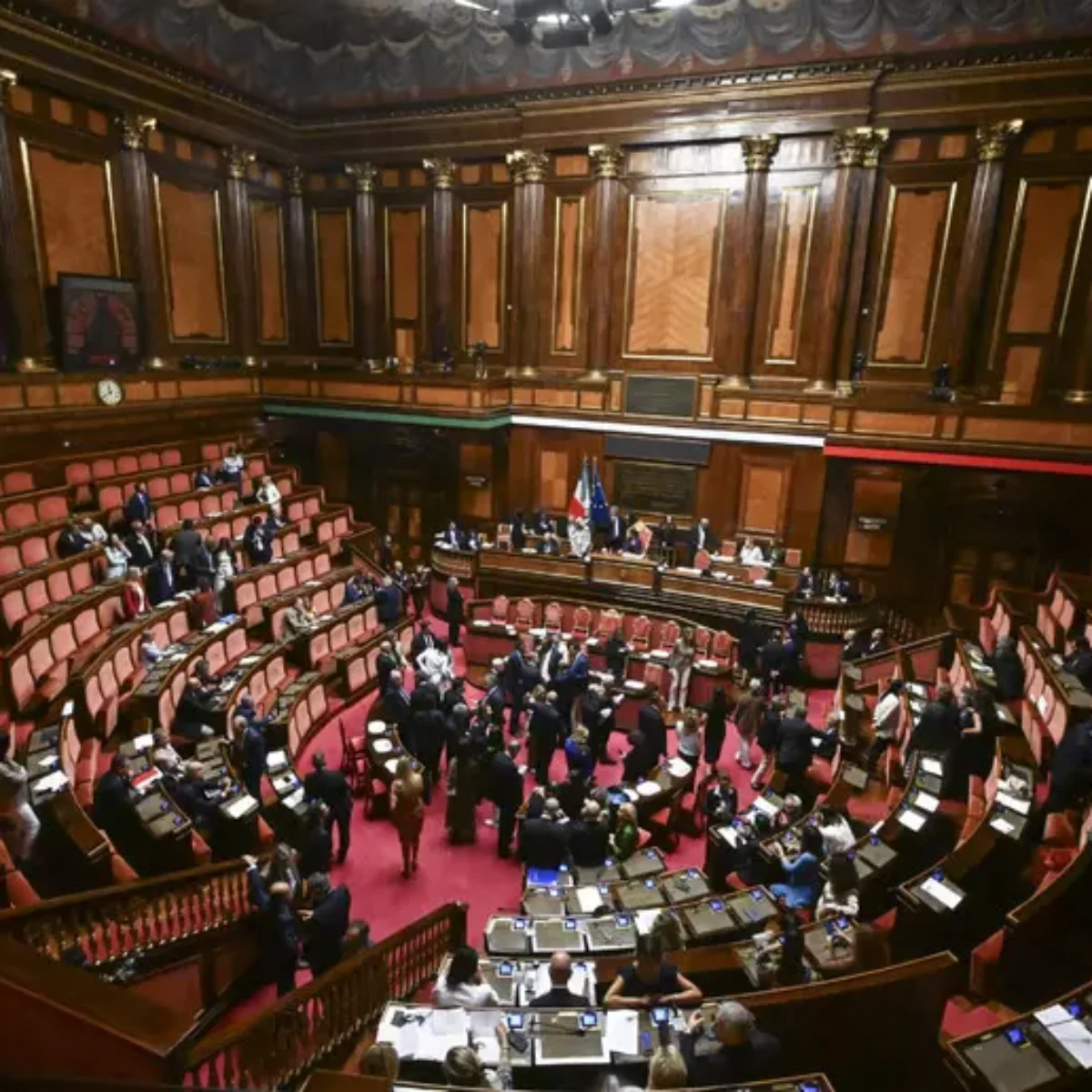
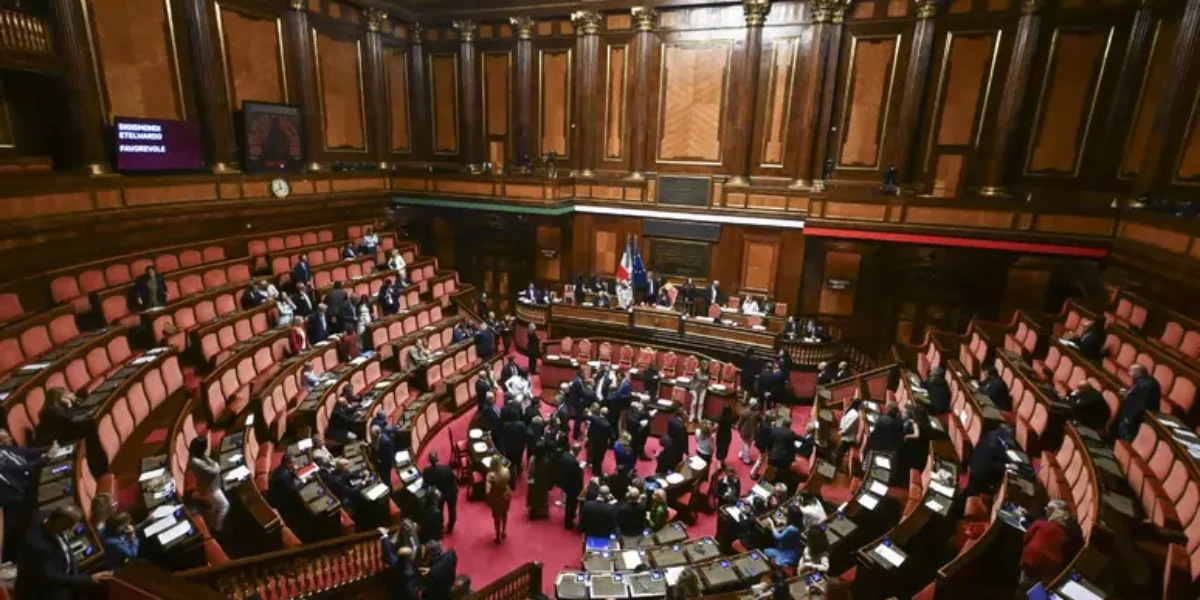
The Senate approved the new electoral law and sent the text to the House for the third and final reading. The votes in favor were 113. The decisive passage in Montecitorio is set for September 28, when the new system could become definitive. The reform eliminates the single-member constituencies of the Rosatellum and introduces a proportional system corrected by a majority bonus. A law that the opposition has renamed “Melonellum”, while in the majority it is referred to as “Stabilicum”.
The mechanism is rather precise: the prize is triggered if a list or coalition reaches at least 42% of the votes and obtains the same result in both houses of Parliament. In that case, 70 additional seats are assigned in the Chamber and 35 in the Senate, subtracted from the total seats to be distributed with the proportional system. However, if no list or coalition reaches 42%, or if the House and Senate produce different majorities, the bonus does not apply. In that case all seats are distributed with pure proportional representation.
Preferences, but not for everyone
Among the changes introduced by the Senate is that on preferences. The voter will be able to indicate up to three, but the list leaders will remain blocked: the first name on the list will therefore be chosen without preference. The lists will be made up of six candidates. The gender alternation will not concern the frontrunners, while it will be triggered if the voter expresses more than one preference. For the coalition lists to which the prize is awarded, compliance with the 60-40 gender ratio is also required. The new system provides lists at the level of multi-member constituencies and, for the possible awarding of the prize, also district lists. Candidates may also be present in multiple constituencies, up to a maximum of five applications.
The thresholds and the prize
The threshold is set at 3% for individual lists, while for coalitions it is set at 10%. There is also a repechage of the “best loser” for each coalition. In the Senate the thresholds remain calculated on a national basis, with an exception for lists that reach at least 20% of the votes in a single region. However, the so-called “anti-bushes” law approved by the Chamber was cancelled. The votes of the connected lists that do not reach 3% can therefore still be counted to determine the national electoral figure of the coalition for the purposes of any prize. However, the prize cannot take the winning coalition or list beyond certain limits: 220 seats in the Chamber and 113 in the Senate. Any excess seats are subtracted from the quota assigned with the proportional distribution.
The prime minister indicated, but not on the ballot
Another point of the reform concerns the candidate for the presidency of the Council. The parties must indicate in the electoral program filed the name and surname of the person proposed for the position of Prime Minister. The name, however, will not appear on the ballot paper. The provision does not change the prerogatives of the President of the Republic in forming the government and does not introduce any mandate constraints for parliamentarians.
Out of office and voting abroad
The reform also affects the voting of out-of-town voters. Anyone who lives temporarily away from the municipality of residence will be able to vote in the municipality of domicile, provided they have temporarily resided there for at least nine months. The possibility is also extended to family caregivers. The constituencies for voting for Italians abroad are also changing: in the Chamber there will be two, one for Europe and one for non-EU countries, while in the Senate there will be a single constituency.
More signatures for parties outside Parliament
Finally, on the front of the presentation of the lists, there is a restriction on the collection of signatures. The exemption concerns parties with a parliamentary group in at least one of the two Chambers, provided it is established by 31 December 2025. However, forces that have only one component in the Mixed group, which must collect at least 1,500 signatures, will not benefit from the exemption. For parties not present in Parliament, the threshold rises from 1,500 to 6,000 signatures per constituency. The number is halved if the legislature ends early. Now the matter goes to the Chamber. On 28 September Montecitorio will be called to the third and final reading of a reform intended to change the way in which deputies and senators will be elected.