


Google Discover

Preferred Sources
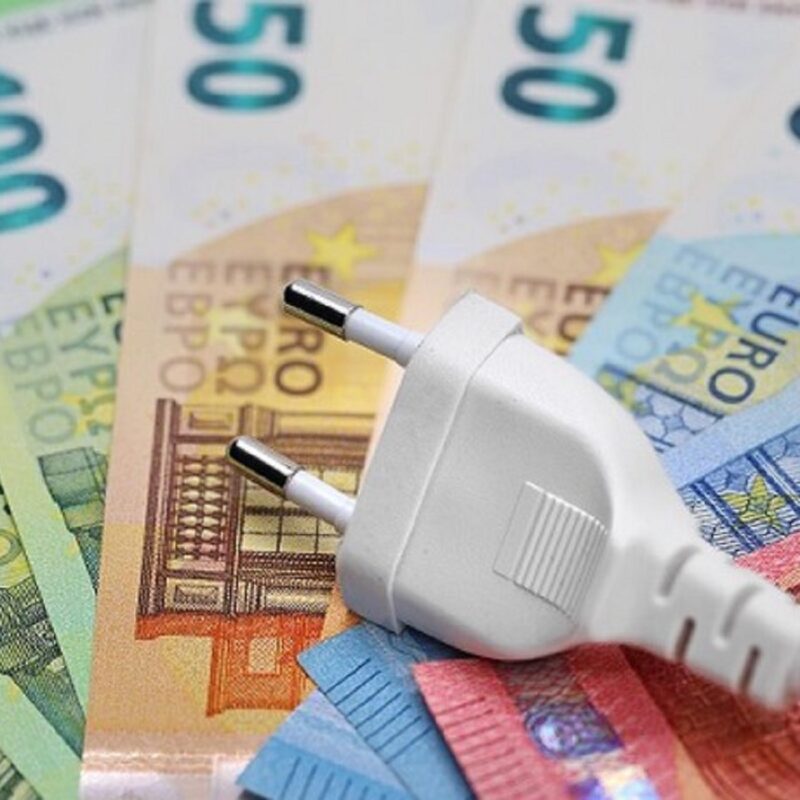
The energy crisis and the speculation of markets conditioned by wars are reconfiguring the precincts of the social peripheries. An inconvenience that has once again become visible in the squares, along the streets, in the cities and villages. For a growing part of the population, bills and fuel have become the border beyond which it is no longer possible to live with the same normality. Moreover, Confcommercio had already indicated Calabria and Basilicata among the regions with the weakest economic prospects for 2026 with GDP growth estimated at 0.6% and family consumption at around 0.5%, the lowest figure in Italy.
Now the association is once again reporting a deterioration in the social situation, which risks having even more serious repercussions in the most economically fragile areas. In September, the Misery Index developed by its Research Office reached levels not seen since February 2024. Above all, the prices of the most frequently purchased goods, driven by the increases in energy and fresh food prices, weigh on the worsening of the data. Added to these are the tensions on some technological products.
The problem is that the increase in prices overwhelms a region with an already reduced capacity to absorb new costs. The labor market is relatively stable, but is not enough to compensate for the loss of purchasing power. And the winter could worsen the situation: if the increases in energy prices continue to be passed on to other goods and services, many families could be forced to postpone or reduce spending, says Confcommercio. The most disturbing fact, however, is the least visible: energy poverty, one of the most concrete forms of economic vulnerability. The 2025 report of the National Observatory had already reported that 17.4% of Calabrian families are unable to keep their homes adequately heated (or cooled). Almost one in five families is forced to limit heating for economic reasons. Only Puglia is worse in Italy.
The Regional Poverty Observatory speaks openly of a deteriorating situation. The director Antonio Belmonte underlines that «for three years we have been raising awareness and strongly denouncing this serious situation in the media which is now getting worse». Above all, the costs incurred by businesses are in the spotlight. The fuel, which according to the complaints of the categories arrived at up to 2.42 euros per litre, adds to the tax burden and already reduced profit margins, which in road transport and agriculture are indicated at between 3 and 5%. The fear is that the crisis will end up hitting even those who until recently considered themselves safe from poverty. Not only the unemployed and fragile families, therefore, but employees, small entrepreneurs, farmers, transporters and pensioners. The hardship is no longer confined to the suburbs but rises towards the middle class and affects those who produce.
The Observatory calls for a permanent comparison between institutions and social partners, extraordinary interventions for incomes and businesses and measures against increases in essential goods. And it raises a political and social alarm: «Ignoring the protests and the proposals coming from those who work and produce means opening the doors to an unprecedented democratic and social crisis».
Confapi Calabria had already asked that part of the value of the energy produced in the area remain in the region, through more competitive tariffs for businesses and easier access to resources intended for the energy transition.
On the consumer front, the president of the UNC, Massimiliano Dona, denounces the increase in fuel and links the cost of filling up with inflation, pointing out the ineffectiveness of the Government’s policies: «The cost of living is, as Einaudi said, the most unfair of taxes given that it mainly affects the less well-off classes». Finally, the jab at Palazzo Chigi: «Diesel has already taken off on the motorway by 2 cents per litre. The about-face of Prime Minister Meloni is incredible: on 16 September, in the press conference at Palazzo Chigi after the Council of Ministers, she declared “on 5 October we won’t go to zero because the mobile excise system intervenes”.

Find out more in the digital edition
To read everything, buy the newspaper
or download the digital version.