

Google Discover

Preferred Sources
With 227 votes in favor and 164 against, the Chamber definitively approved the reform of the electoral law. The centre-right majority held together in the face of the secret vote, passing the third parliamentary stage after the changes introduced by the Senate – including the return of preferences with blocked list leaders and the restriction on signatures for new parties.
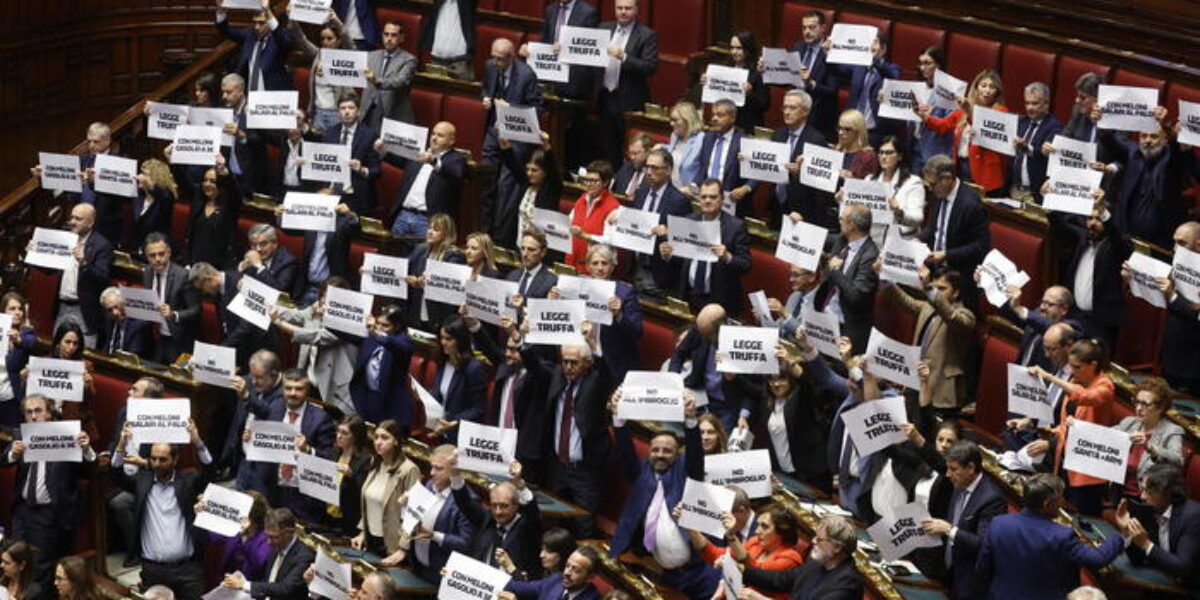
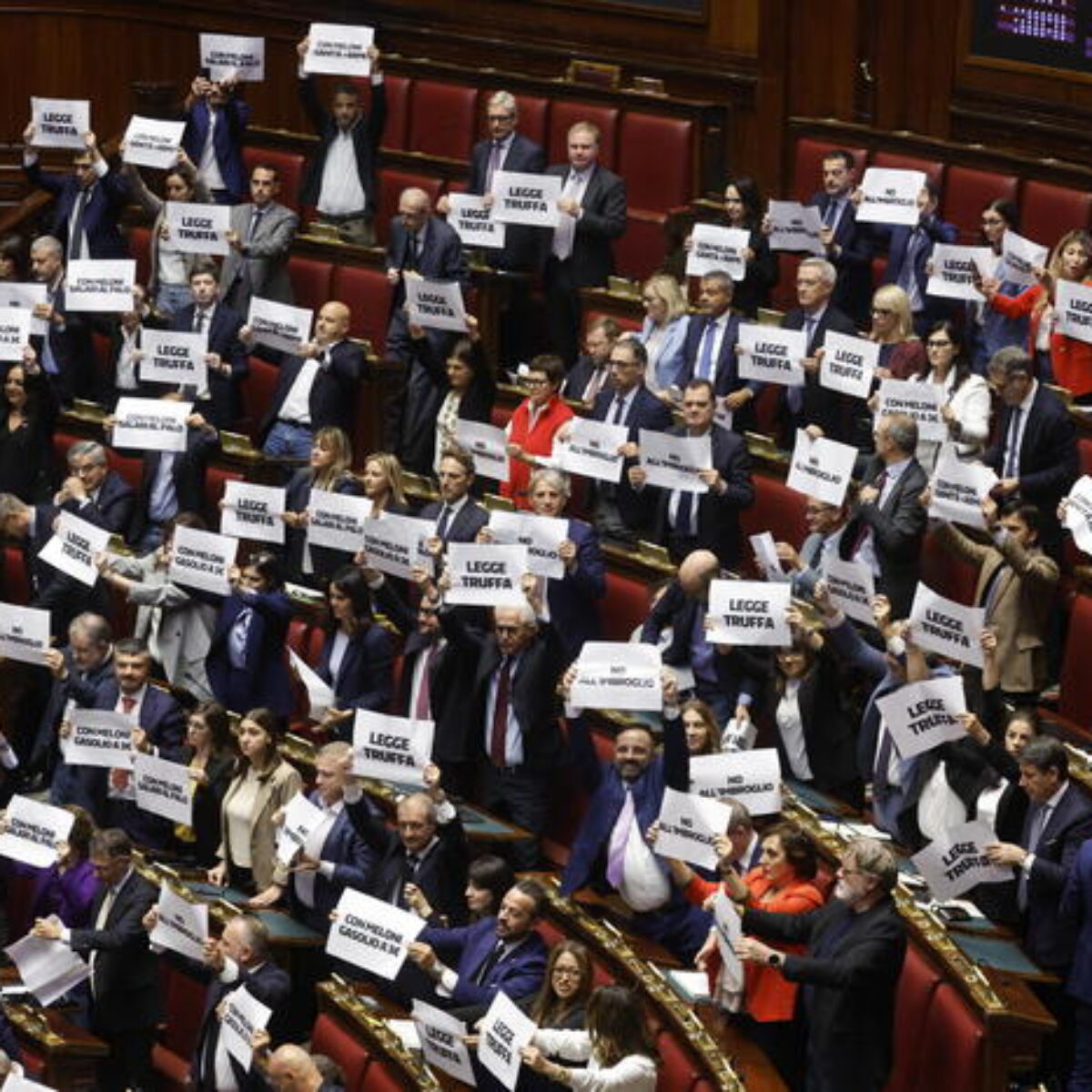
The outcome of the vote triggered a harsh reaction from opposition groups, who displayed signs in the chamber with slogans such as “Scam law” and “No to cheating”. On the other hand, satisfaction among the majority benches, sealed by the words of Prime Minister Giorgia Meloni on X: «To those who hoped to see the center-right divided, today we respond with facts: we are united and compact. With this reform we give citizens back the power to directly choose who represents them.”
How the new electoral system works
Renamed “Melonellum” by the opposition and “Stabilicum” by the majority, the new system abandons single-member constituencies to make room for a proportional system corrected by a majority bonus: the majority bonus, the list or coalition that reaches at least 42% of the votes in both houses of Parliament is awarded 70 deputies and 35 additional senators. If the 42% threshold is not exceeded in both Chambers, pure proportional representation is triggered; preferences and list leaders blocked: preferences have been reintroduced (up to three, with gender alternation from the second onwards), but the list leaders remain blocked and without the obligation of gender equality. Voting for non-residents: the right to vote in the municipality of residence is recognized for students, workers and family caregivers who have been domiciled for at least 9 months; indication of the prime minister and signatures: obligation to indicate the prime minister candidate when filing the programs (without inserting the name on the ballot paper) and increase in the number of signatures necessary for political forces not present in Parliament.
Civil society and the opposition are preparing the appeal to the Consulta
The battle over the electoral law will now move from the benches of Parliament to the courtrooms. A press conference will be held on Monday 12th in the Chamber to illustrate the strategy of the appeals aimed at raising the question of constitutional legitimacy before the Council before the next electoral appointment. The initiative, coordinated by representatives of the “Network for a free and equal vote” – including professors Enrico Grosso, Roberto Zaccaria and lawyer Pietro Adami – sees the direct support of opposition parliamentarians such as Simona Bonafè, Maria Elena Boschi, Riccardo Magi, Alessandra Maiorino and Filiberto Zaratti. The appeals will be brought in the courts of the 29 districts of the Court of Appeal of Italy by well-known figures and ordinary citizens, supported by a solidarity fund to cover judicial costs.