

Google Discover

Preferred Sources
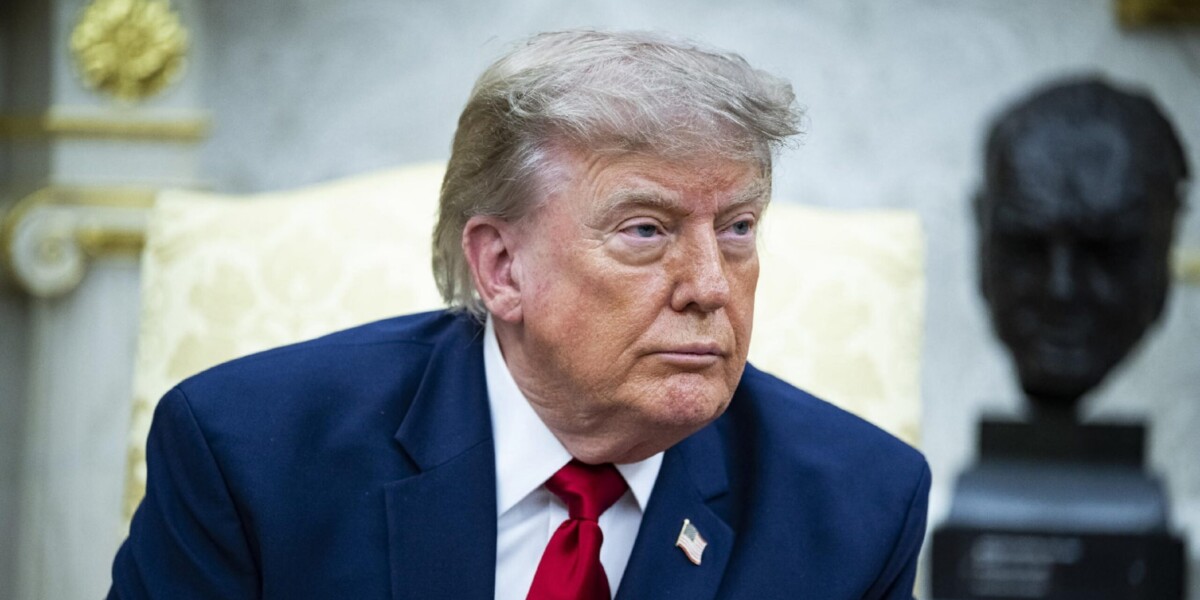
President Donald Trump, with an executive order, suspended important sanctions and export duties against Russia provided for by the ‘Lindsey Graham Act’, a few days before it came into force.
Their effectiveness would have complicated his efforts to reduce diesel prices ahead of the Nov. 3 midterm elections. The stop concerns the law he promulgated last month, making use of an exemption clause provided for in the legislation, strongly desired to punish Russia following the invasion of Ukraine by Republican Senator Lindsey Graham, who passed away in July a few days after returning from Kiev.
“Many of you don’t know what my decision is yet, but we’ll find out, and you will find out too. It’s a great decision: it will be a positive choice for the country and, I think, for the world, since we are truly on a global stage.” This is how the tycoon responds to the question for clarification on the freezing. “The issue with Iran is progressing very well,” added the US president, in a brief meeting with the media during a dinner held Saturday evening for ‘Maga Inc’ at Mar-a-Lago.
The provision codified and expanded sanctions against Moscow: the exemptions, however, are justified by national interest, exempt Russian goods from duties and suspend sanctions against individuals and entities, although pre-existing sanctions remain in force. The United States, through various agencies, will monitor purchases of Russian oil and attempts to evade sanctions, maintaining the power to revoke exemptions if necessary. In the executive order, titled ‘Implementation of the Lindsey O. Graham Sanctioning Russia and Iran Act of 2026’, Trump stated that he had submitted the required certification to Congress, along with a report explaining the reasons behind the decision. The measure invokes Section 115 of the Graham Act, which authorizes the President to suspend sanctions against foreign persons, restrictions on persons and duties imposed by law, subject to compliance with the required reporting obligations. “I have certified to Congress that granting this waiver is in the national interest of the United States at this time,” Trump said in the order, posted on the White House website.
The move comes as the Trump administration is under pressure over its approach to Russian energy exports and efforts to combat high fuel prices. The decision to suspend enforcement of some provisions of the new law also comes amid bipartisan criticism from lawmakers that easing restrictions on Russian oil could provide Moscow with windfall revenue as it continues its war against Ukraine. The order, however, does not eliminate all U.S. sanctions currently in place against Russia. Trump explicitly stated that the Section 102(d) waiver would not affect sanctions and other measures imposed under previous executive orders on specific harmful foreign activities linked to the Russian government. Existing measures, including those against individuals designated under the relevant Executive Orders, remain unchanged following the new order.
Moscow, the end of US sanctions is a historic moment
The suspension of some provisions of the Graham Act marks “an important and truly historic moment.” Kirill Dmitriev, special representative of the Russian president for investments, wrote this on X, arguing that economic cooperation between Russia and the United States responds to the interests of both countries and contributes to global stability.
According to Dmitriev, the law, which would have undergone “fundamental and profoundly negative” changes after the death of Senator Graham, could have “completely interrupted any economic cooperation between Russia and the United States”, causing serious damage especially to the American economy and world markets.
“Economic cooperation between Russia and the United States serves the interests of both nations, contributes to global economic stability and lays the foundation for building trust and achieving lasting peace,” he said.
“Instead of sanctions and confrontation, we need dialogue, mutually beneficial cooperation and shared responsibility for global stability,” concluded Dmitriev.