

Google Discover

Preferred Sources
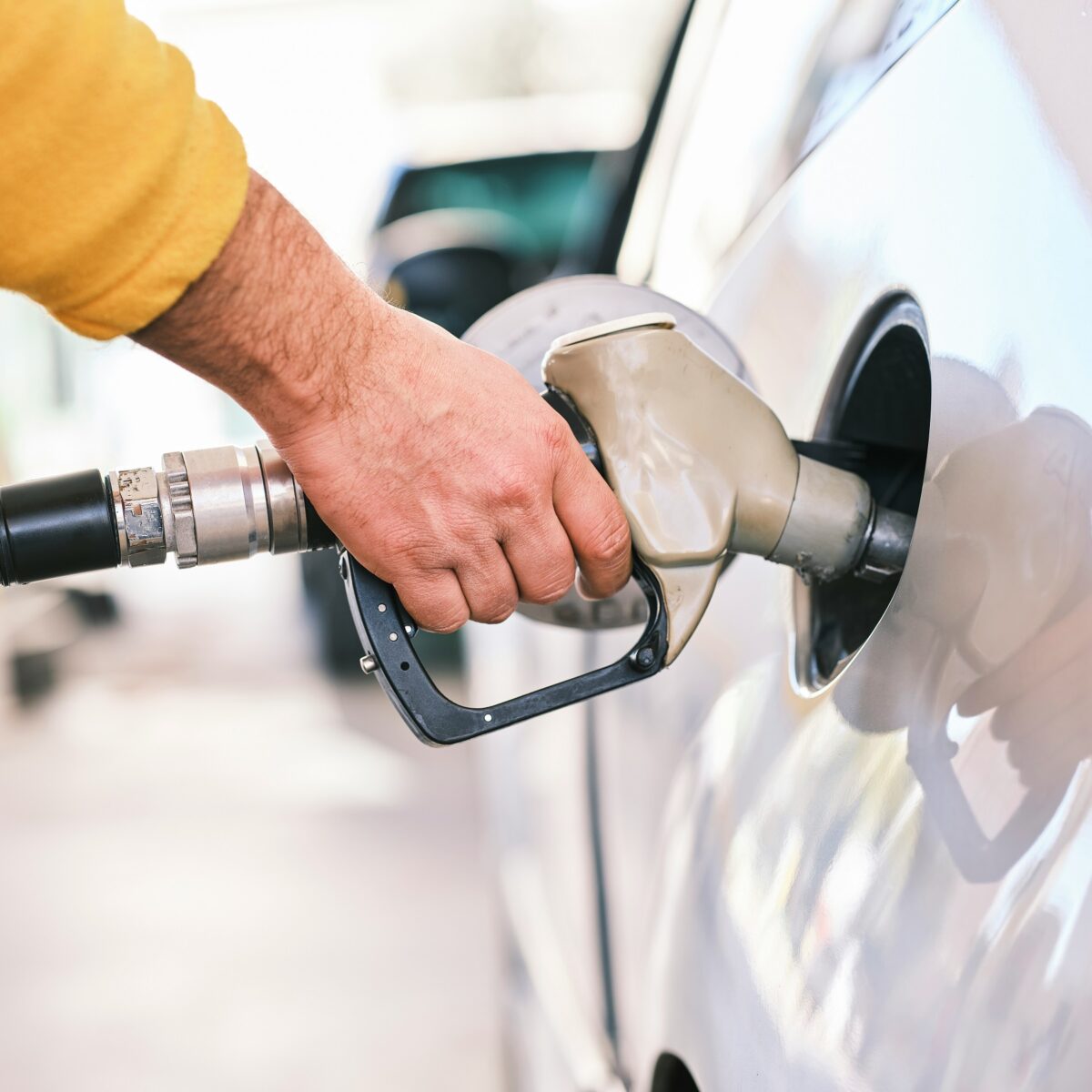
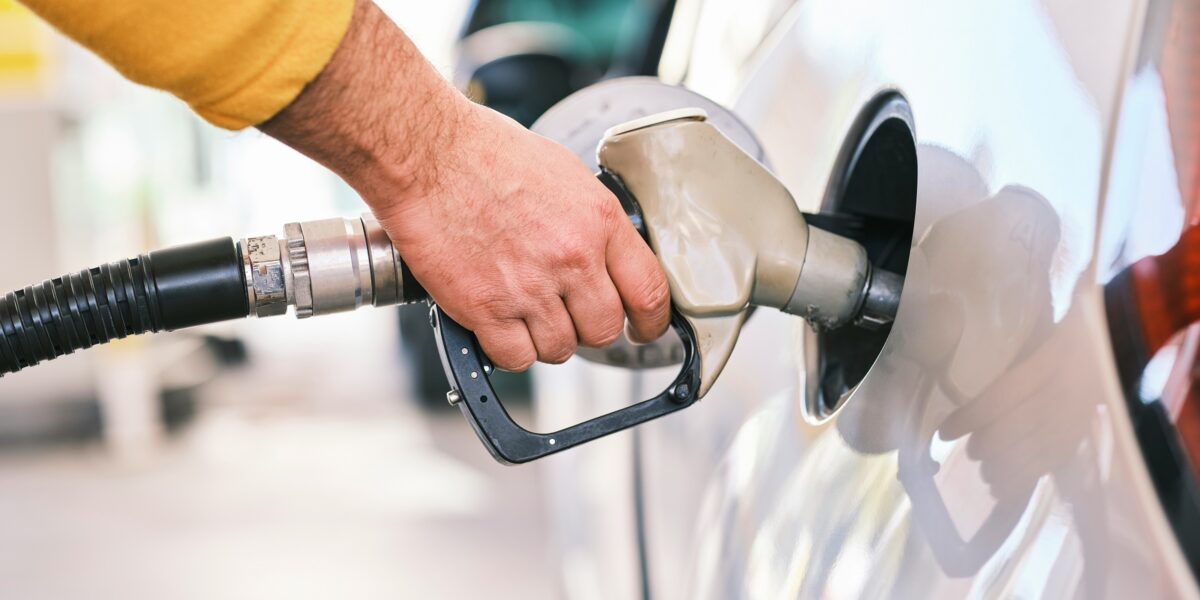
Risk of increases in diesel prices starting tomorrow, Sunday, after the excise duty cut of 4.9 cents per liter (including VAT) decided with the Mef-Mase decree of 28 October which provided for “a reduction of 632.90 euros per thousand liters” until 7 November has expired and has not been renewed. In the Official Journal, there is no indication of an extension. But Adusbef observes that “the trend in oil prices in recent days opens up a window of opportunity for further drops at the pump regardless of the tax discount”. Starting from tomorrow, excise duties will rise, “including VAT, by 4.88 euro cents per litre, equal to an additional expense of 2.44 euros on a 50-litre tank, but the stop to the discount comes at a time when oil prices are recording a depreciation” with Brent “dropped by 16.2% in a few days, which opens the door to a possible reduction in price lists at the pump”.
The bill bis decree in the Council of Ministers on Monday
Based on the latest Mimit findings, the average price of fuel in self-service mode along the national road network fell again on Saturday and reached 2 euros for petrol (2.001 euros and 2.224 euros for diesel fuel. “Thanks to the price cap to which the main companies have joined, self-service prices remain below 2 euros per liter for petrol and 2.20 euros for diesel fuel in much of the road network” underlined the ministry. And none The government’s backtrack on the Bills Decree, which wants to reduce electricity tariffs by putting a cap on the price of gas. The measure will go to the Council of Ministers on Monday, without substantial changes. Last Thursday it was due to a formal accounting problem in the State. The Ministry of Economy has started a discussion with the European Union to clarify the issue. bars by 133%, for hotels by 68% and for large spaces by 67%. But the climate think tank Ecco makes different calculations. In its opinion, the saving will be just 1.4 euros per month. What caused the approval of the new text of the Bills decree in the Council on Thursday was the findings of the State Accounting Office on a secondary rule: article 9, which provides that the proceeds from the sale of gas stored in the 2026 2022, during the energy crisis, are used by Arera (the public energy agency) to reduce the gas bills of energy-intensive companies in 2027.
The Accounting Office objected that in this way there would be an income for the State in 2026 and an exit in 2027, with a misalignment of public finances. On this aspect, the government stopped the approval of the measure, which the Minister of Energy Security, Gilberto Pichetto Fratin, had already illustrated in the Council of Ministers. The Ministry of Economy has started a discussion with the European Union, always very attentive to Italian accounts, to clarify the issue and find a solution. However, this is a technical accounting problem, not coverage or state aid. There are no problems regarding the key measure of the Decree, i.e. the ceiling on the price of gas for electricity production, provided for in Article 6. The ‘topè on the Iberian model, already agreed with the European Commission, will return to the Council of Ministers without modifications, the Ministry of Energy Security clarified. There is talk of a ceiling of 58.9 euros per megawatt hour, which would reduce the wholesale price of electricity, which in Italy is linked to that of gas, and therefore the final rate on the bill. The difference between the price cap and the market price of gas would be reimbursed to producers with a charge placed on consumers’ electricity bills, who in any case would ultimately save.