

Add the Gazzetta del Sud as a source
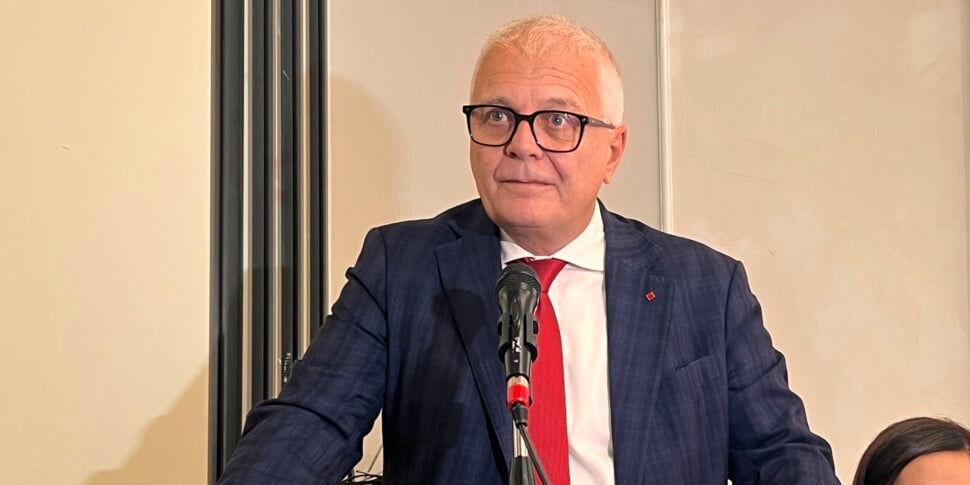
“The data are encouraging, but they do not authorize triumphalism: the growth is there, but it is not yet structural, it does not produce enough stable work and risks running out of steam with the end of the extraordinary measures that supported it”.
The General Secretary of Cgil Calabria Gianfranco Trotta thus comments on the data released by Bankitalia and Svimez which certify a GDP growth of 1.1% for Calabria, higher than that recorded in the South and in the rest of the country.
Beyond the statistical data: precariousness and poor work
CGIL Calabria invites you to interpret these numbers with caution and to go beyond the statistical data to reflect on the quality and durability of this development over time.
“There is growth, but it is not determined by factors that can make it stable over time and, above all, it does not automatically translate into quality work – underlines Trotta -. If on the one hand there is an increase in employment, on the other, consolidated phenomena such as precariousness and poor and undeclared work continue to weigh heavily, particularly widespread in the tourism, trade, agriculture and construction sectors, indicated as the main drivers of growth”.
The unknown of post-2026 and the effect of bonuses
The union questions itself: a significant part of the growth is linked to extraordinary and non-permanent measures, starting from the 110% Superbonus, which mainly activated private investments, and the huge resources deployed through the National Recovery and Resilience Plan. What will happen after 2026, when this strong impulse fades?
The recent National Assembly of the CGIL in the South identified a platform of proposals that aims at solid, inclusive and lasting growth.
“It is necessary – states Trotta – to use public investments and Pnrr resources in a strategic manner to fill the infrastructural and industrial delays accumulated over the years, definitively overcoming the logic of cuts that has penalized the South”.
The priorities for development: industry, schools and young people
“Calabria – he continues – also needs an industrial, manufacturing and mechanical policy, capable of accompanying the ecological and digital transition through targeted development plans and efficient infrastructures, capable of connecting territories, people and businesses. Structural investments are needed in schools, training and research to combat educational poverty and stop the bleeding of young people and skills that leave the South every year”.
The no to differentiated autonomy and the future vision
“We strongly oppose – clarifies the General Secretary – reforms that risk further accentuating territorial gaps, starting from differentiated autonomy, reaffirming the principle of the universality of constitutional rights and the need to guarantee equal opportunities for all citizens, regardless of the territory in which they live”.
“Calabria – he concludes – does not need extraordinary events destined to end, but a long-term vision that puts work, rights and social justice at the centre”.