

The Cadastral statistics 2025 of the Revenue Agency confirm the central role of real estate in the Italian economy. The national cadastral stock exceeds 79.5 million real estate units, of which over 68.4 million produce cadastral income.
Calabria also confirms the weight of its real estate assets, with over 1.4 million homes, more than 700 thousand group C properties – including shops, warehouses, garages and laboratories – and over 37 thousand production properties. In the province of Catanzaro alone there are 264,209 homes, 134,622 group C properties and 7,324 productive properties, with a total cadastral income of approximately 139 million euros.
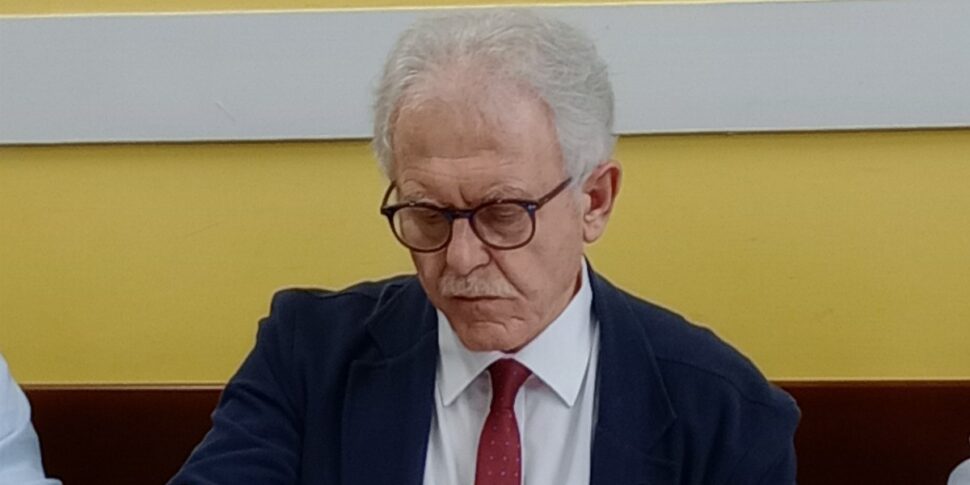
“The Cadastral statistics2025 – declares Sandro Scoppa, president of Confedilizia Calabria – confirms that in Calabria too, real estate ownership constitutes one of the main pillars of private wealth. Behind those numbers there are not simple administrative data, but the work, savings and sacrifices of generations of families.
Precisely for this reason it is worrying that, every time we talk about the Land Registry, the fear of its use to further increase the tax burden on properties resurfaces. It would be a profoundly wrong choice. The Land Registry must be a tool for understanding real estate assets and ensuring certainty in legal relationships, not the prerequisite for new forms of taxation.
Italy is already among the European countries in which real estate ownership bears one of the highest tax burdens. Continuing to attack it means penalizing savings, discouraging investments, slowing down the redevelopment of the building stock and reducing the supply of properties intended for rental.
In Calabria all this would have even more serious effects. Here the house often represents the main assets of families and a fundamental guarantee of economic security. Taxing it further would mean taking resources away from citizens and slowing down local development.
The real reform does not consist in increasing the tax levy, but in reducing it. It is necessary to lighten property taxation on properties, simplify obligations, guarantee legal certainty and encourage investments. Private property is not a fiscal problem: it is a resource to be valorised, because where property is protected, freedom, individual responsibility and economic prosperity also grow.”