

Google Discover

Preferred Sources
Hot autumn for CGIL Calabria. On November 20th the union will join the national general strike with six demonstrations in Catanzaro, Crotone, Cosenza, Reggio Calabria, Vibo Valentia and Lamezia Terme. On November 28th, however, the CGIL Calabria will be present at the demonstration in the South which will be held in Naples.
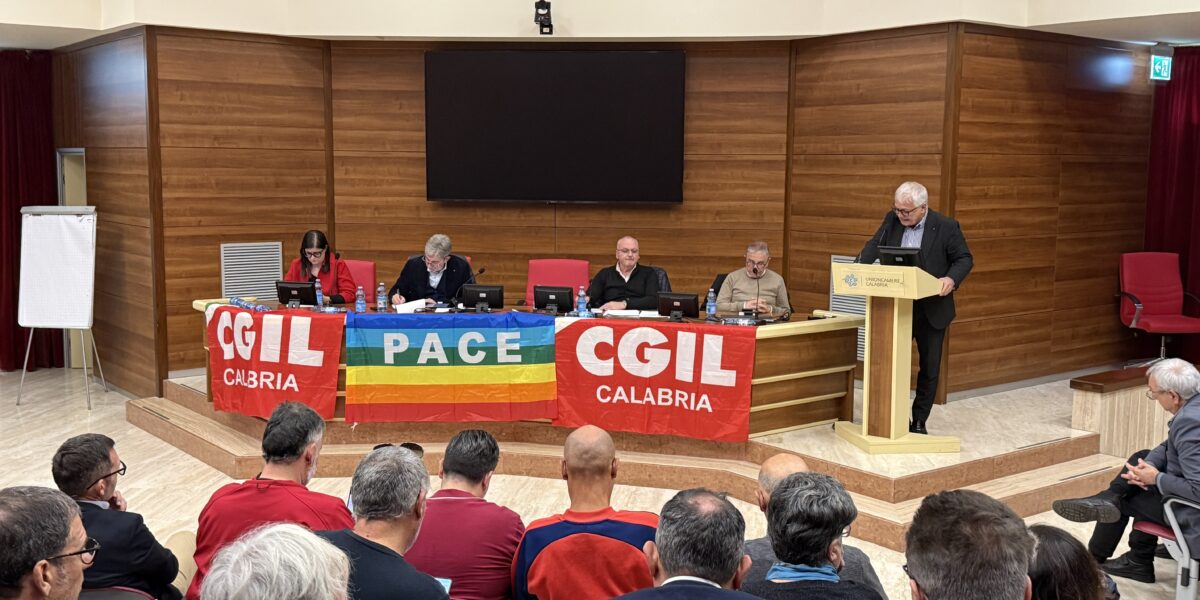
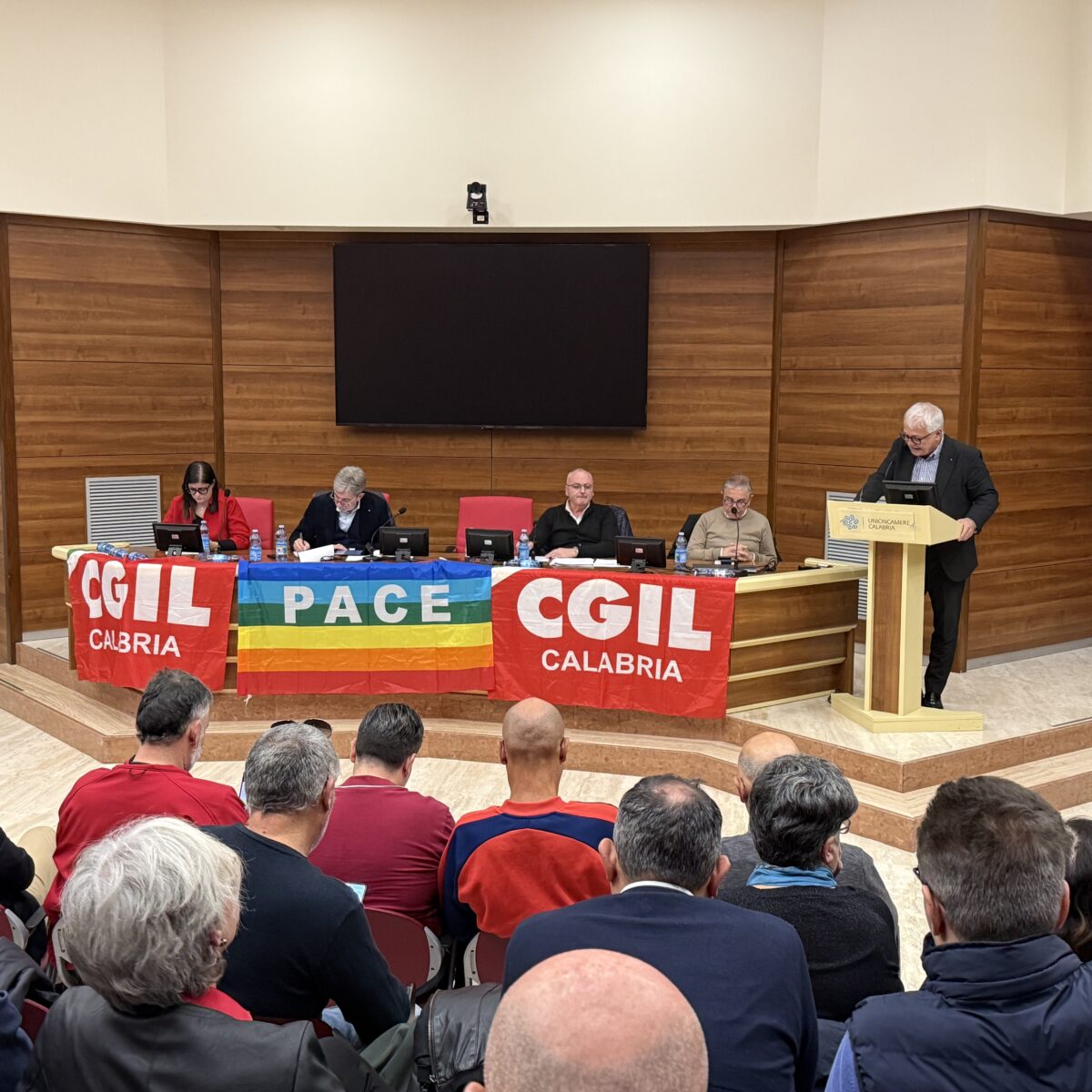
Both mobilizations were discussed at the Assembly of executives and delegates convened in Lamezia Terme.
During the work, which was also attended by the national CGIL Development Area manager Massimo Brancato, we talked about work, peace, social justice, infrastructure, right to housing, differentiated autonomy, healthcare, environment, energy transition and many other topics covered by the platform demanding the general strike.
Various interventions by workers testified to the unfairness of an increasingly fragile, precarious and poor world of work. “The general strike of the CGIL – underlined the General Secretary Gianfranco Trotta – does not arise from a prejudicial opposition towards the Government, but from a precise evaluation of the economic, social and industrial policies that are being carried out and of the concrete consequences that these policies produce on people’s lives”.
“As CGIL we claim that security is not built by fueling an arms race, but by investing in cooperation, diplomacy, solidarity between peoples and in the construction of a new international order based on law and peaceful coexistence. Public resources are limited and political choices determine the priorities of a society. We think – added Trotta – that they should be allocated first and foremost to healthcare, school, research, social protection, infrastructure, ecological transition and the creation of quality jobs. Peace is not a separate issue from our trade union demands. It is the necessary condition for building a development model that puts people at the center and not the economic interests linked to war”.
“We want the South to be the protagonist of a new season of development and to return to the center of industrial and European policies. We believe that the direction taken by the Government does not respond to the real emergencies of the country, it does not respond to the needs of those who work, of those who have worked all their lives and today live with an insufficient pension, of those who look for a job and cannot find it, of those who are forced to accept precarious and low-wage conditions, of young people who continue to leave their territories because they do not see prospects for the future. We cannot – observed the Secretary – limit ourselves to denouncing what doesn’t work. We must have the strength to indicate another idea of the country, another economic policy, another idea of social justice”.
Focus then on Calabria: “The problem is not just the lack of work – he said – but the lack of an economic and social system capable of retaining work, skills and people. It is not enough for a young person to find a job for a few months, he must be able to build a life plan. It is not enough for a woman to find a precarious job, she must be able to access stable employment and services that allow her to reconcile life and work. It is not enough that a company receives an incentive, it must be rooted in the territory, invest, innovate, create jobs and respect contracts. Calabria cannot live only on seasonality, unskilled tourism and construction linked to extraordinary spending.
“Demonstrating, being there – said Brancato – means being aware that the current situation of the country is difficult and complex, but believing that we can change things. With the strike on 20 November we want to affirm that work cannot continue to be considered a variable, it must return to being the starting point of public policies, because without decent wages, rights, investments and social cohesion there cannot be solid, balanced and lasting development”.
“Being present at the general strike on November 20th and in Naples on November 28th is an opportunity to bring these issues back to the center of the national debate. The Southern dispute is not a territorial claim, but a great national issue. Reducing the gaps – he concluded – means strengthening the entire Italian economic and productive system”.