

Google Discover

Preferred Sources
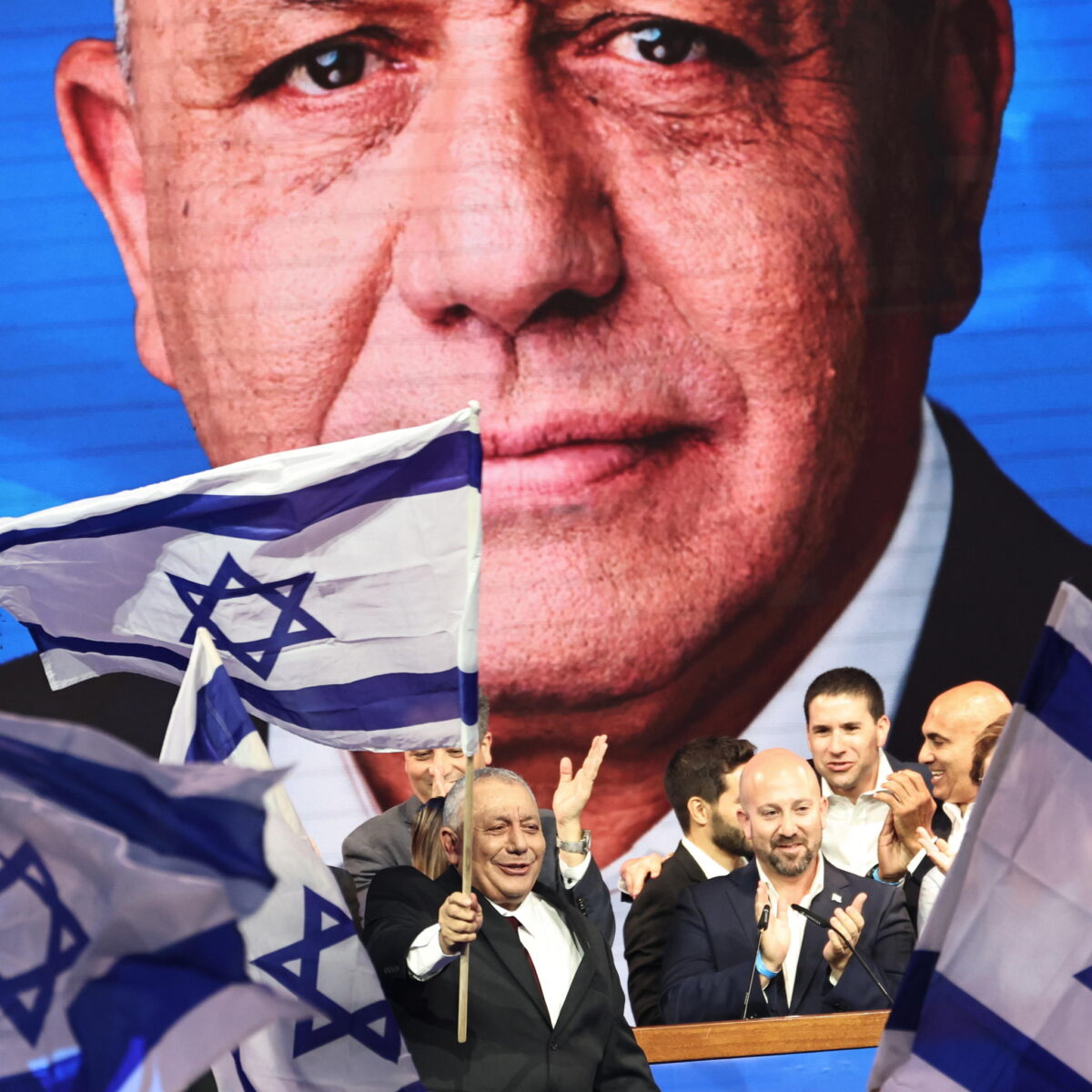
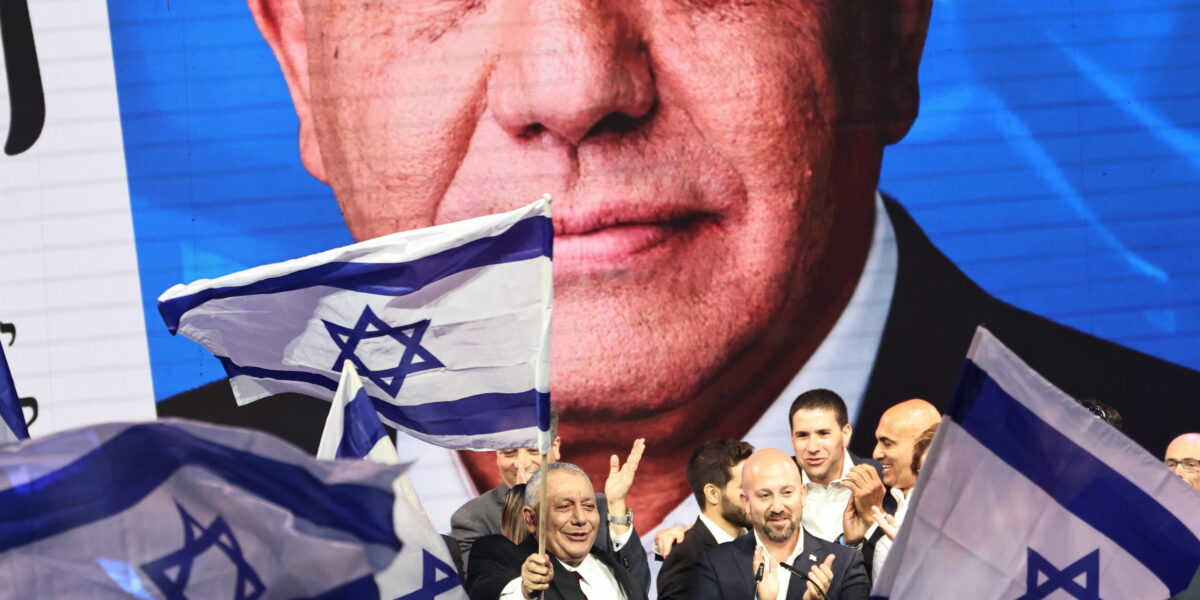
Gadi Eisenkot is a Mizrahi, a word in the Hebrew language that indicates Jews originating from the Middle East and North Africa, and has risen through the military ranks to become chief of staff of the Israel Defense Forces (IDF) in 2015. At the end of the consultations last Wednesday and Thursday, after the elections of 27 October, Eisenkot obtained 67 recommendations, including 19 from the Arab parties, while the outgoing Prime Minister Benjamin Netanyahu had 46, while the coalition of Ashkenazi ultra-Orthodox parties, UTJ, which has seven seats in the new parliament which will be sworn in on Tuesday 10 November, did not express any preference.
Eisenkot’s plan is “to swear in the government as quickly as possible, based on the four Zionist parties that support change and healing, with the opening to membership – immediate or gradual – of any other party or individual Knesset member who accepts my four fundamental principles.” The four principles to accept to join Eisenkot’s government are: the recognition of Israel as a Jewish, democratic, liberal and egalitarian state; a commitment to the values of the Declaration of Independence; mandatory military, national or civilian service for all Israeli citizens; the recognition of Hamas as a terrorist organization and the recognition of the obligation to destroy its military and government power in the Gaza Strip.
The numbers of the majority and the obstacles of the alliance
With 67 preferences, Eisenkot formally has a majority in Parliament, where 120 deputies sit. However, the path does not appear linear. The former general counts on the support of three Zionist parties – the centre-right Together alliance of Naftali Bennet and Yair Lapid, the right-wing Yisrael Beytenu of Avigdor Liberman and the left-wing party The Democrats of Yair Golan, who obtained a total of 48 seats in the October 27 elections.
Eisenkot, as emerged during the head of state’s recommendations, also counts on the support of the Arab parties Ràam (eight seats) and the Joint List (11 seats), which together obtained 19 seats in the elections. One of the possible scenarios is to create a minority government of the Zionist parties, with the external support of the Arab parties. However, one of the members of the Bloc of Change, Liberman, expressed his opposition to a government with the support of Arab parties, opening up to the ultra-Orthodox. According to the latest rumors from the Israeli media, Eisenkot and Liberman should meet as early as tomorrow, November 9, to try to overcome their differences.
The direct clash with Netanyahu on national unity
There is also no shortage of calls to form a government of national unity under the now outgoing Prime Minister Benjamin Netanyahu. Yesterday evening, shortly before Herzog announced that he would entrust Eisenkot with the task of forming the government, Netanyahu said: “I call for the formation of a government of national unity that includes all parties of the national camp and all Zionist parties. An executive that depends on Hamas supporters will not fight Hamas, a government that depends on those who hate Judaism will not preserve Israel as a Jewish state. A government that depends on Islamists will dismantle the State of Israel from within, as is happening in European countries”.
The response from the prime minister in charge was not long in coming: “If the Likud and its members are suddenly interested in unity and a coalition government, they are more than welcome. They publicly announce the dissolution of their alliance with the extremists – referring to the far-right parties of Ben-Gvir and Smotrich – accept mine and express their willingness to join a government led by me. Until then, this remains pathetic propaganda.” Eisenkot added: “He who has divided, torn and caused strife in Israeli society suddenly uses the word ‘unity’ only when he realizes that his days in power are numbered.”