

Google Discover

Preferred Sources
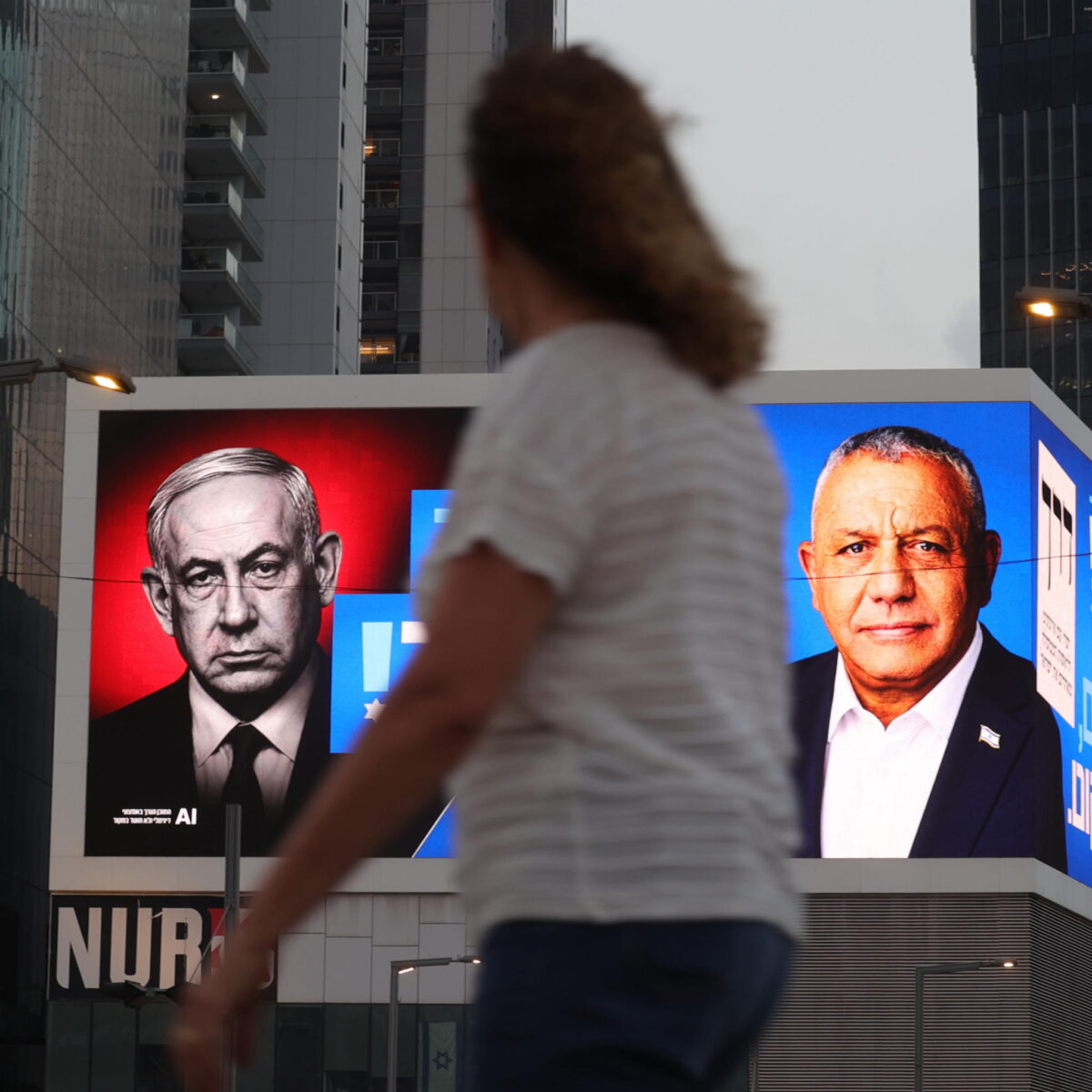
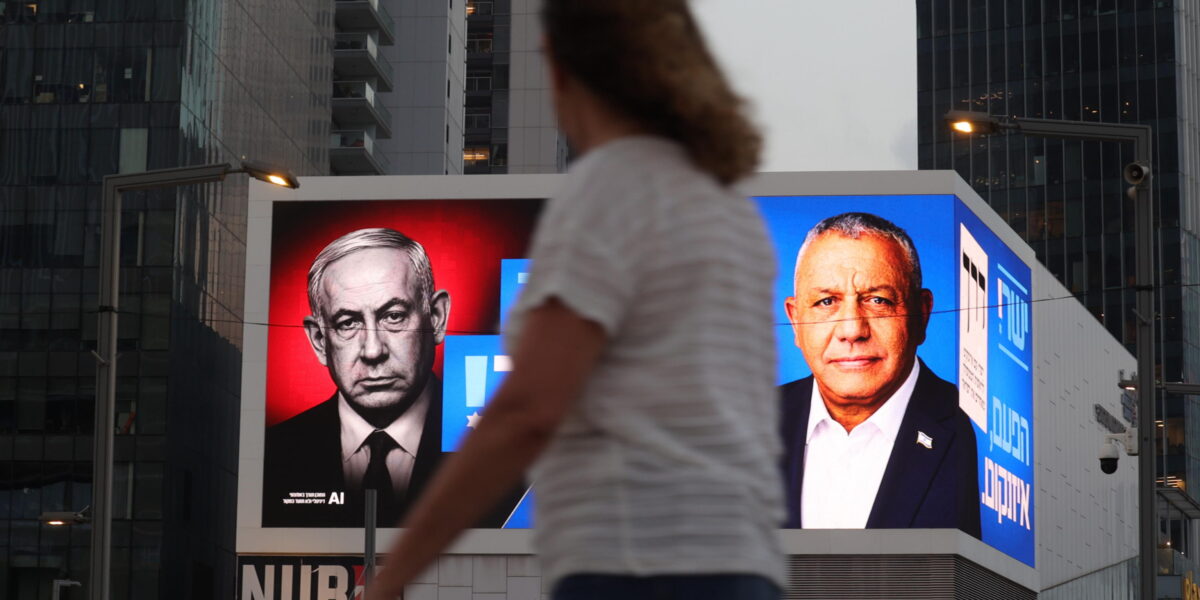
After having reduced his campaign to the electoral slogan ‘Either the right or Palestine’, Benjamin Netanyahu continues to rely on the fear card to try to get the votes to converge on himself, two days before the opening of the polls in Israel. And this time he focuses on the ultimate threat, publishing an image depicting an atomic bomb falling on Tel Aviv, and sharing the words of the author Yuval Bloomberg: «The Iranian threat is the priority, we still have two years of Trump’s presidency to finish the job with Iran; after that, it is impossible to predict what will happen, whether Kamala Harris or a Mamdani will take over.”
Netanyahu is asking for two more years, trying to link his political destiny to that of the US president, whom he is putting pressure on, according to Axios, to obtain further support after the unprecedented endorsement received in recent days has not moved the poll map. Which in fact continue to indicate a head-to-head with his main rival, Gadi Eizenkot, the former Chief of Staff whom Bibi appointed in 2014. “Netanyahu, you are in a state of hysteria, you are once again resorting to the usual electoral tactics: lies and alarmism”, Eizenkot replied to the threat of mass annihilation of the prime minister. And criticism of the prime minister also comes from potential allies, with Ofer Winter, a former hawkish general now a candidate with a right-wing list, speaking of “madness”: “We need to stop terrorizing the population.”
Meanwhile on Saturday the opposition took over a square with thousands of people in Tel Aviv, something not seen in a long time: the common denominator is the desire for change: “Everything except Bibi”, people said. But the prospect that the polls could confirm the stalemate – with none of the political parties obtaining 61 seats to form a government – also leads the opposition in the last 48 hours of the campaign to an internal battle: that for the largest party. Having not indicated a single prime ministerial candidate, everyone is now fighting to bring grist to their own mill. «Either Netanyahu or me: it’s head to head. Yashar! it must overcome the Likud by a wide margin to obtain the mandate to form the government”, is Eizenkot’s message at the final convention of the campaign in Tel Aviv, where a thousand people arrive who have chosen the latest innovation in Israeli politics. The age is quite advanced, but there is an interesting cross-section of society, something that indicates that Yashar! – which means ‘Straight’ and ‘Honest’ – is a party that gathers a non-sectoral consensus.
Mahmoud Masalha comes from Kfar Qara, has always voted Labor and thinks that the former general is the worthy heir of the other general, Itzhak Rabin, «with whom they killed the prospect of peace. With Eizenkot we can try again.” There are also several people wearing kippas: one of these, Omer, says he has always voted for ultra-Orthodox parties, but now he is focusing on Eizenkot because “there is a need for unity in the country and he sends this message”. There are also former ‘bibists’: Reuven Efraim, disappointed with Netanyahu after 7 October, relies on what he considers “an excellent list of serious people”. He also supports the hypothesis of a minority government with the external support of the Islamic party, “because Bibi, who now denies it because he is a liar, was also about to form an alliance with us”. The crowd cheers him: “Here is Israel’s next prime minister.” But it is enough to move to the south of the city, to the Hatikvà market, one of the Likud strongholds, to hear the loud cry of “Solo Bibi”. More than legislative elections, in 48 hours a referendum will open on the longest-serving and most divisive prime minister in the history of Israel.