

Add the Gazzetta del Sud as a source
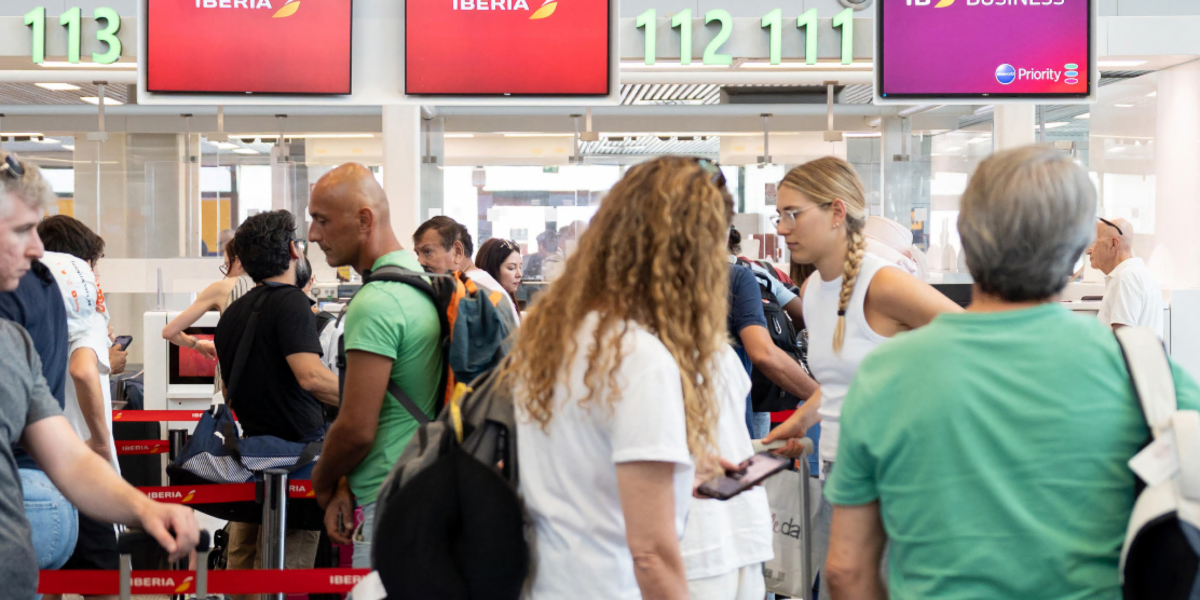
It is now a wall against a wall between Spain and Italy. Not a physical barrier between the two countries, which do not share land borders, but a network of cross-checks in ports and airports involving thousands of travellers. After the ultimatum launched by Madrid and rejected by Rome, Spain has decided to respond to the one-month suspension of the Schengen agreement ordered by Italy at the air and sea borders with the Iberian country after the Ceuta crisis.
From midnight between Friday and Saturday, and until September 7, checks began for passengers arriving in Spain from Italy. The Farnesina has strengthened the assistance of consulates and its own offices to compatriots who encounter difficulties during the journey.
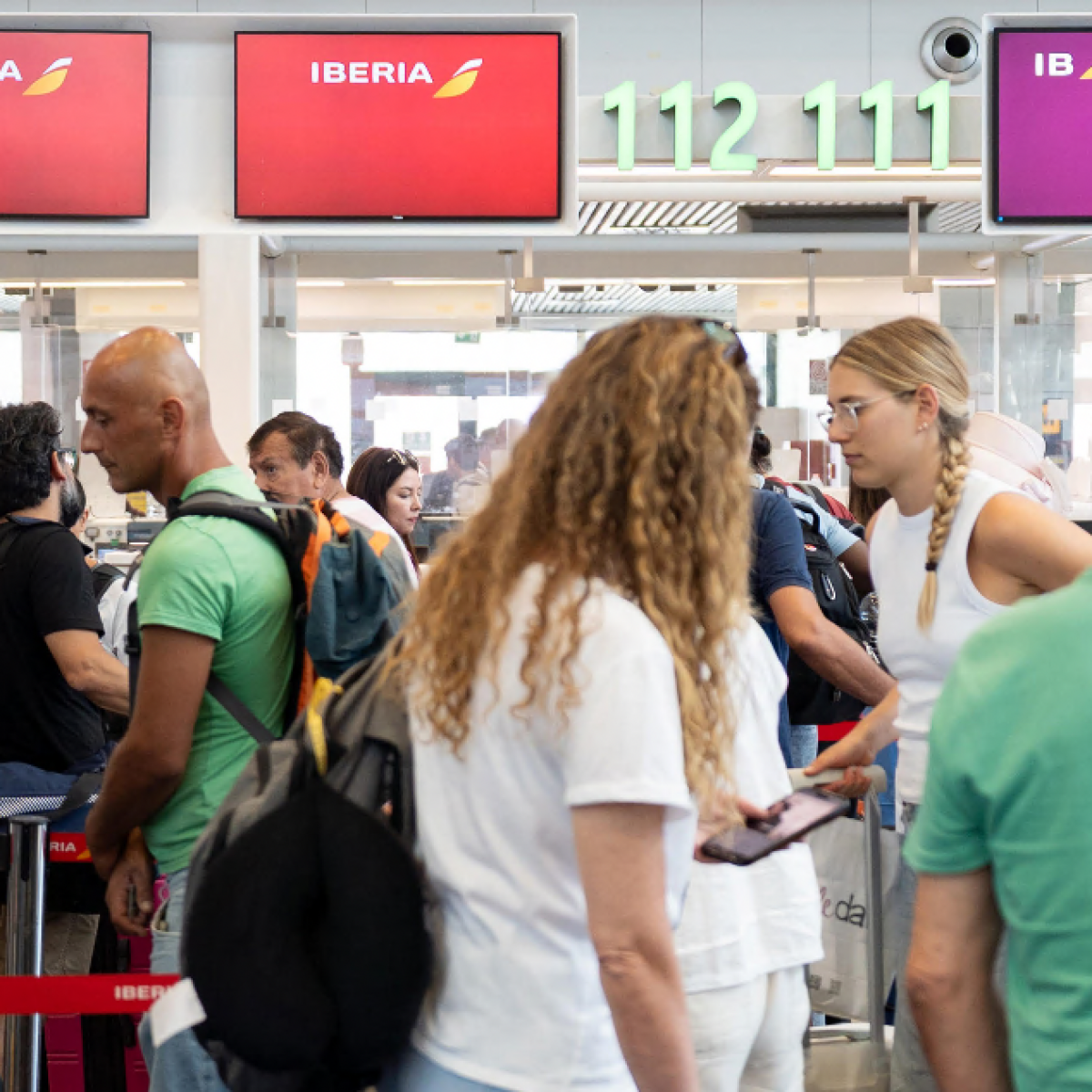
At the moment, however, no significant inconveniences are reported at the main Spanish airports for the approximately 250 flights coming from Italy. The documents were checked directly upon disembarkation on a sample of between 5 and 15% of passengers, without any particular delays.
Brussels attempts mediation
However, the decision of the two governments, aimed at strengthening controls on citizens of third countries, opens a new fracture within the European Union. Brussels insists on the need to consider irregular immigration a common challenge, to be addressed through coordination between member states and the strengthening of external borders.
“Trust between Member States is our most precious resource”, recalled the European Commissioner for Home Affairs Magnus Brunner after a telephone conversation with the Spanish and Italian Interior Ministers, Fernando Grande-Marlaska and Matteo Piantedosi.
Both governments, Brunner reported, have assured that internal border controls will be temporary. The commissioner also recalled the progress made in combating irregular immigration. The Commission’s objective is to prevent the crisis from further weakening the Schengen system, instead focusing on greater surveillance of the external borders, including that of Ceuta.
The Ceuta crisis and the fear of new arrivals
In the letter with which it communicated its decision to the EU, the socialist government of Pedro Sánchez referred to “the growing migratory pressure on the central Mediterranean route affecting Italy” and the possible consequences on public order and Spanish internal security.
Giorgia Meloni’s government had instead rejected Madrid’s request to immediately reopen the borders, after the alarm over possible new attempts to enter the Spanish enclaves in Morocco, announced through social media in view of August 15th.
However, a positive assessment of the management of the situation in Ceuta came from Brussels. According to a spokesperson for the