

Add the Gazzetta del Sud as a source
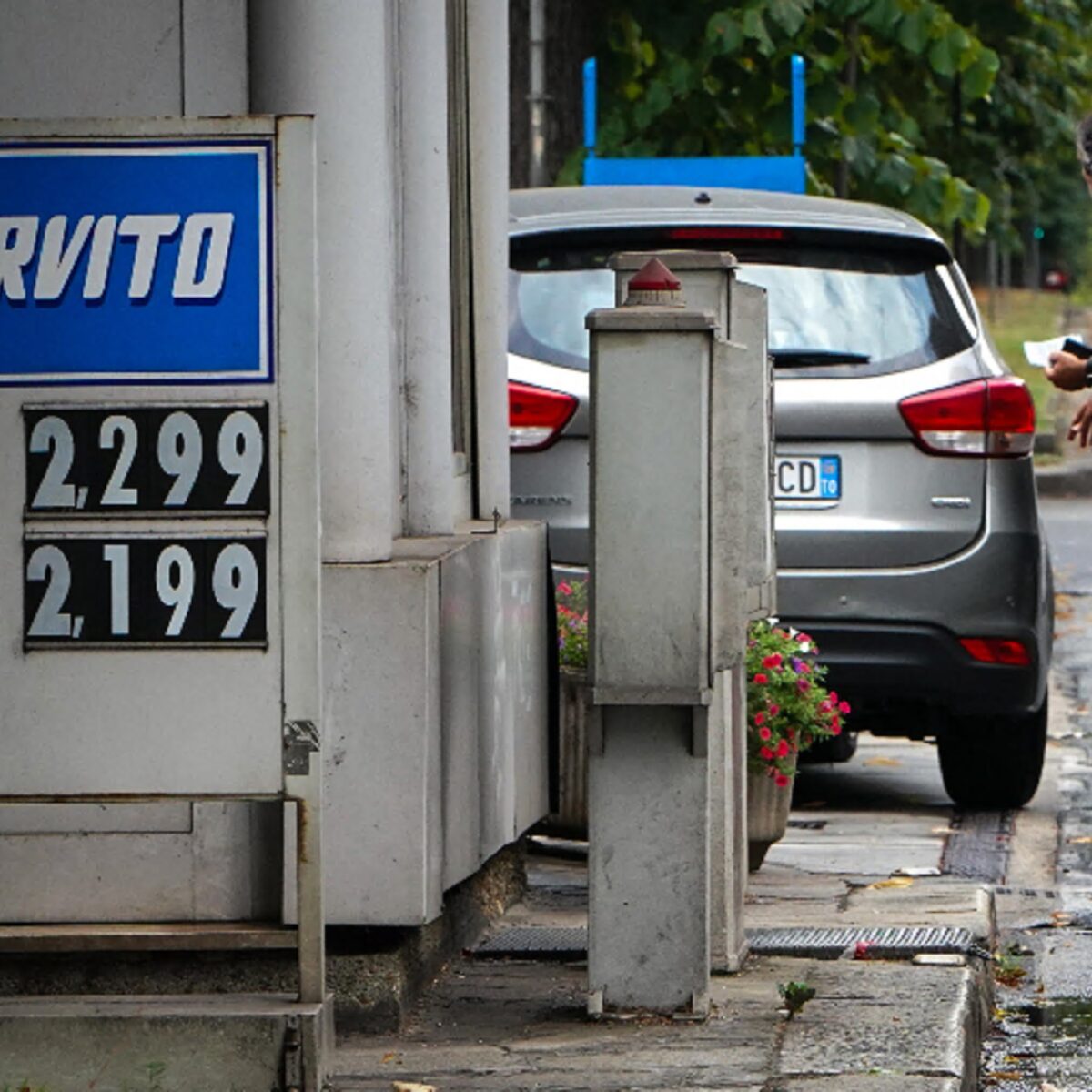
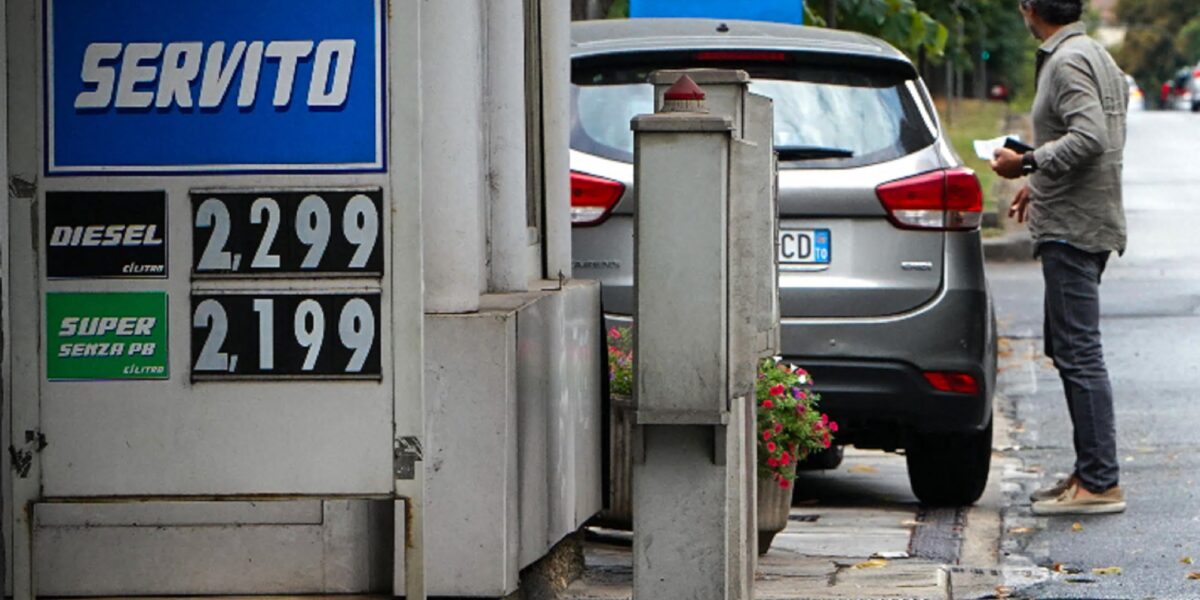
Fuel prices continue to rise: the Ministry of Business and Made in Italy announces that, based on the latest data collected by the Mimit Observatory on fuel prices, today the average price of fuel in self-service mode along the national road network is equal to 2.017 euros per liter for petrol (2.015 yesterday’s price) and 2.137 euros per liter for diesel (2.136 the price of yesterday). Today at 6pm the Council of Ministers is scheduled to extend the excise duty cut for a few days.
On the motorway network, however, the average self-service price is 2.092 euros per liter for petrol (2.091 yesterday) and 2.208 euros per liter for diesel (2.207 yesterday).
Confesercenti: up to 1.8 billion more for full tanks
This summer, filling up has cost Italians up to 1.8 billion euros more than in July and August last year. A burden that weighed on family budgets precisely in the two central months of the holidays, impacting mobility and tourist consumption. This is the estimate of the Confesercenti economic office, drawn up on an equal consumption basis based on Mimit data and with the August findings now almost definitive: overall, in July and August 2026 motorists incurred a 21% higher cost for refueling compared to the same months of 2025.
In the summer of 2025 – we read in the note from the operators – petrol stood at around 1.70 euros per liter and diesel at 1.63 euros. In August 2026 the average is around 2 euros for petrol and above this threshold for diesel. The Mimit survey of 23 August, on the road network in self mode, indicates 2.010 euros per liter for petrol and 2.130 for diesel. Translated into a 50-litre tank, it means around 14 euros more than a year ago for a petrol car and over 20 euros more for a diesel one.
The weight of the excise duty cut
«Without public intervention – underlines the note – the bill for motorists would have been even heavier. In the months of July and August alone, the excise duty cut reduced spending on supplies by around 300 million euros. A benefit concentrated above all on diesel fuel: for a good part of July, in fact, the reduction was not operational and, when it was reintroduced from 28 July, it only affected diesel, with a discount of 17 cents per litre. In the absence of the provision, a 50-litre tank would have cost around 8.50 euros more. Petrol, however, has never fallen within the scope of the intervention since the beginning of July.”
The provision of a further extension is therefore “certainly useful” for the association: “In the absence of new resources, the 17 cents would therefore return to weighing entirely on the price at the pump right at the height of the counter-exodus and on the eve of September, a month in which at least 15 million tourists are expected and which continues to represent an important phase of the season”.
Gronchi: «A structural intervention is needed»
«The high cost of fuel can no longer be addressed with short-term and limited-effective measures», comments the president of Confesercenti, Nico Gronchi. «The continuation of international tensions, and therefore of a phase of high volatility in energy prices, cannot unfortunately be ruled out. The levels reached today at the petrol and diesel pump already risk penalizing the September tourist season and, above all, spreading to the entire economy, fueling new inflationary pressures – a front to pay particular attention to this autumn. This is why we need a targeted and structural intervention on the taxation of fuel and energy, capable of mitigating the shocks and preventing the increases from spreading in a chain to businesses, families and consumption”.