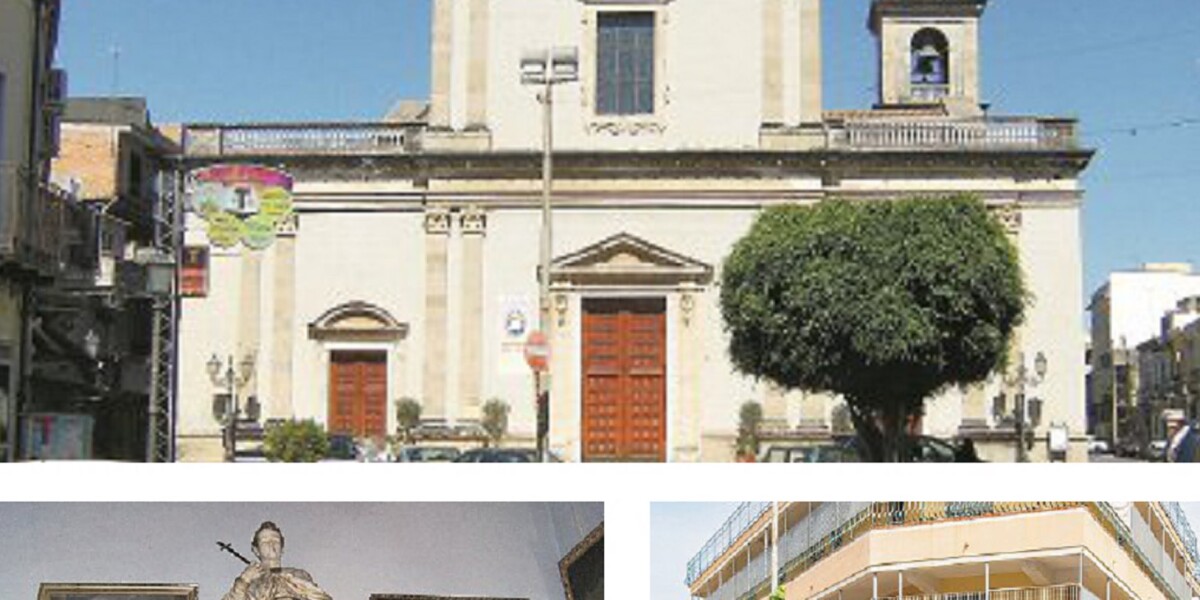
Pozzo di Gotto is the oldest wing of the city of Longano. Behind it is a noble history that today lives suspended between the splendor of its past and the fragility of a present marked by a profound demographic crisis. «We have a very rich history, much of which still needs to be studied – explains Monsignor Santino Colosi, who is entrusted with the Santa Maria Assunta cathedral in Pozzogotto – Once upon a time there was a very strong sense of the neighborhood which today, unfortunately, appears distorted. The social fabric has crumbled, with a serious loss of the sense of belonging and identity.” A decline that clashes with the ancient splendor of a territory where many wealthy families also lived and the historic Arcipretura extended as far as Calderà and Sant’Andrea. The nineteenth-century buildings bear witness to a rich past that entered into crisis after the unification of Italy. Today the area is impoverished.
The symbol of this is Palazzo Bonomo, purchased at auction by Father Colosi’s predecessor, and returned to neglect despite past attempts at recovery. “Even the old social housing projects, agreed with the administration of the period, have foundered” – continues Colosi who also notes the disappearance of devotional symbols: of the eighteenth-century church of San Giuseppe in via Garibaldi, for example, only a sandstone portal remains. Many works of art have been lost or stolen, between the Capuchins and the Souls of Purgatory. Fortunately, masterpieces such as the marble statue of San Vito, the canvas of the Madonna dei Garofani and the Madonna Oditrigia were saved.
The full article is available in the print and digital editions