

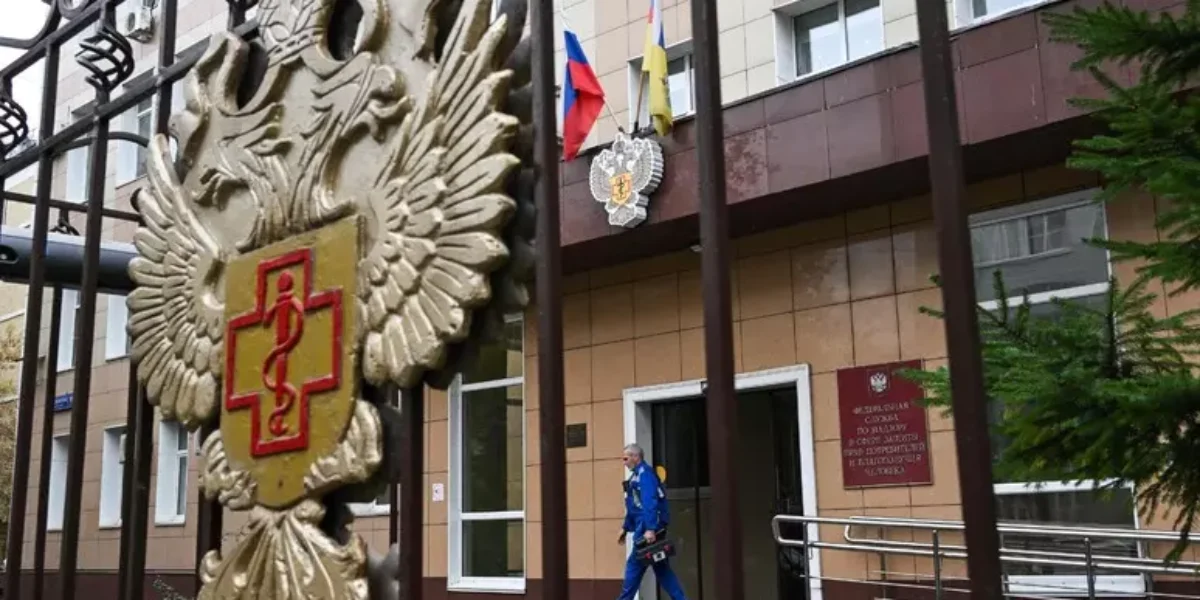
Russia is trying to downplay the alleged plague death of a laboratory researcher in Siberia. “Don’t trust rumours,” Kremlin spokesman Dmitry Peskov cut short, inviting people to trust only official statements from Rospotrebnadzor, the Russian government agency for citizen protection.
Mindful of the never confirmed but always hovering escape from the Covid laboratory, the United States is closely following the developments and initiatives implemented by Moscow. “I don’t think it’s a cause for alarm, but let’s pay attention and follow what they do,” Secretary of State Marco Rubio said.
Daria Shilipova was working in an anti-plague research institute in Irkutsk when she was admitted to hospital last Tuesday with symptoms of severe pneumonia. The 28-year-old was immediately put on a ventilator but there was nothing that could be done for her. She passed away on Thursday. The first signs of nervousness emerged among local authorities the following day, when the governor of the Irkutsk region organized an “extraordinary meeting” regarding “a suspected case of particularly dangerous infection found in a resident”. All contacts “identified were placed under medical observation”, governor Igor Kobzev reported without commenting on the type of infection found or identifying Shilipova.
On the same day, a hospital in a town in the area was quarantined, as were 200 people who had been in any way close to Shilipova. The plague hypothesis took hold when the authorities of a region near Irkursk spoke of a “woman who died from the plague”, a message later corrected and softened into a “possible” case of plague. The hypothesis raised has fueled a succession of theories and speculations online. According to some, Shilipova died after coming into contact with the contents of a vial that she had broken by mistake. Local journalist Pavel Stepanov, reports the New York Times, suggested that the authorities investigate whether the incident was “sabotage by our enemies who act with increasingly sophisticated methods”. While maintaining high vigilance, health experts urge calm because the risks are limited. Every year there are cases of plague worldwide but they are easily treated with antibiotics.