

Add the Gazzetta del Sud as a source
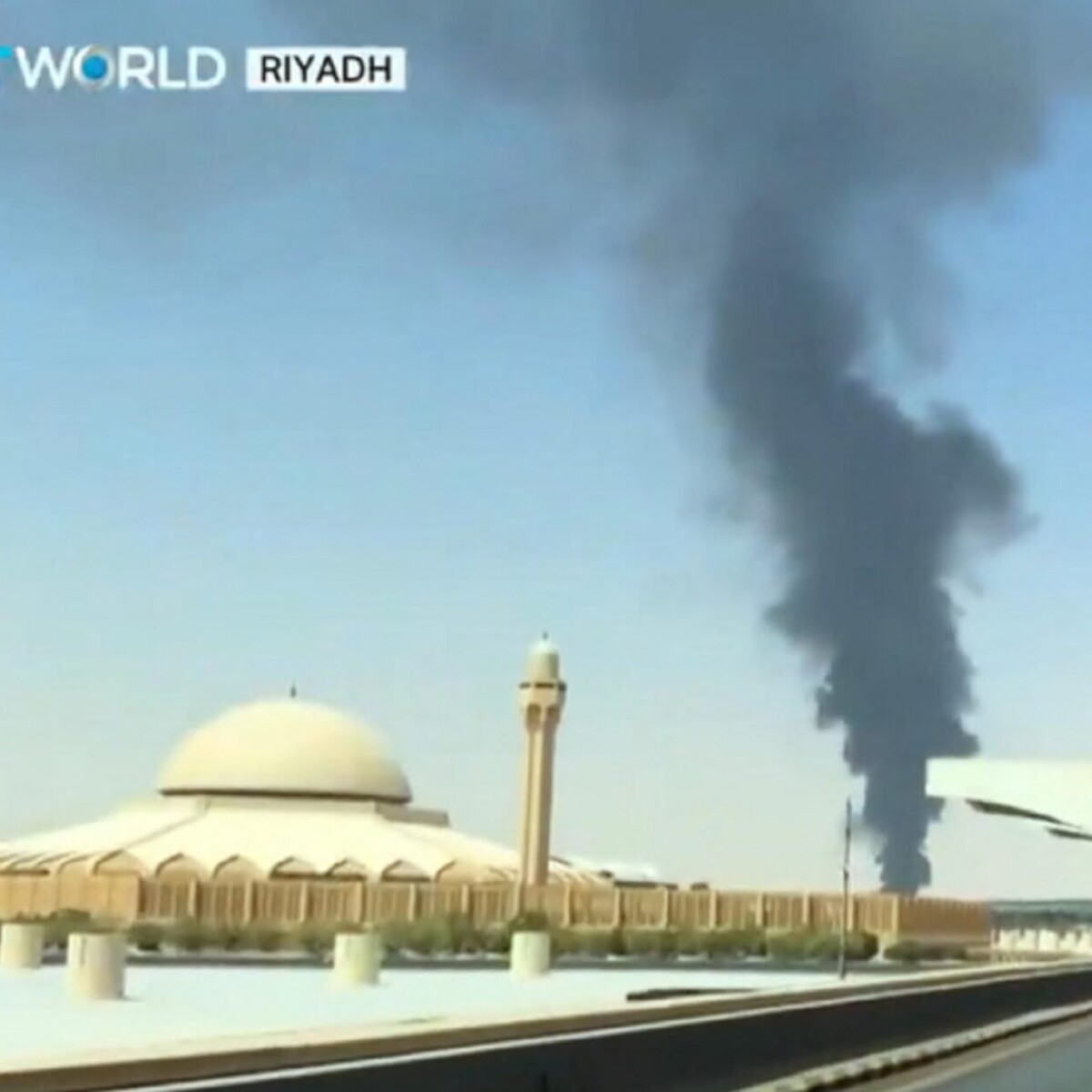
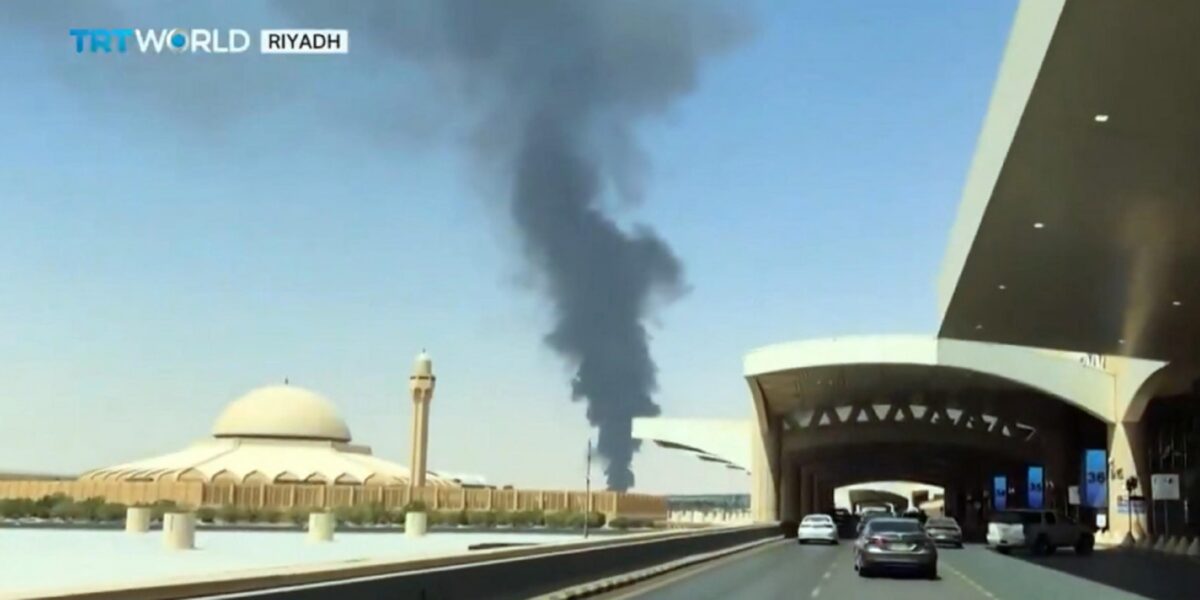
The Houthi offensive knocks on the door of the heart of the Saudi Kingdom: the air alarm sounded for the first time since the beginning of the conflict in the skies of Riyadh, where explosions from rebel attacks woke up the residents of the capital in the middle of the night. Flames and a column of black smoke rose near the city’s airport, with firefighters busy putting out a fire involving a fuel tank of the oil giant Aramco. Actions that indicate the rebels’ desire to raise the stakes of the conflict, in the aftermath of the attack that hit an Italian Eurofighter stopped inside the Saudi base in Tàif on Friday.
The Houthis’ message to Italy
“Ours is a legitimate armed resistance in the face of prolonged Saudi aggression” and “we are not at war with Italy and we do not intend to involve your country”, made it clear Muhammad Mansur, an official in the Houthi government’s information ministry in Sanaa, speaking to ANSA. “But we wonder what the Italian planes are doing in Saudi Arabia in support of Riyadh’s war against us,” he declared polemically. As if to indicate that in the balance of the war, those who provide support for the defense of the skies of the Middle Eastern countries also lose out.
Mansur’s words fuel the political debate in Italy, which goes hand in hand with fears about the security of Italian military assets in the region. Because the war is far from being resolved, as evidenced by the attacks on Riyadh. So far, raids against Saudi Arabia have mainly targeted oil facilities and military bases in the south of the country or along the Red Sea coast. The alarm that went off during the night due to a “hostile air threat” over the capital opened a new chapter in the conflict: “I heard the alarm, then the windows shook,” a city resident told AFP. “I was really scared.”
Riyadh’s claims and silence
While on the one hand the Houthis claimed to have launched attacks against “sensitive sites” in Riyadh and against oil facilities in the Saudi port city of Yanbu, on the other the Saudi authorities avoided commenting on the explosions in the capital, while after “significant delays and canceled flights”, traffic at the international airport returned to normal in the afternoon. The raids on the capital follow those reported towards Mecca, and there is fear of escalation by the rebels who continue the offensive, strengthened by their control over key areas such as the coast overlooking the Red Sea. In the disputed territories, bloody clashes continue between the Houthis and the Yemeni government forces: in 24 hours at least 48 people were killed, 31 of them among the rebels.
Bin Salman without Trump’s support
Despite the losses and massive raids, Saudi Arabian forces appear unable to weaken the pro-Iranian group. A problem that – at least for the moment – Saudi Crown Prince Mohammed bin Salman will have to try to resolve alone, after being denied military support by Donald Trump. The tycoon seems intent on continuing on the path of dialogue with the Houthis. First of all, to ensure the protection of its assets in the region. Secondly, to “see if we can make an agreement” that can give a minimum hope of a return to stability in the region, which is also necessary for Western interests, primarily economic ones while the price of oil is now out of control.
The Iranian front
The tycoon will sooner or later also have to resolve the chapter of the Iranian conflict, which in the tense calm awaits a definitive solution: “Consultations are underway with Qatari and Pakistani mediators, to whom we have communicated our conditions for negotiation”, said the secretary of the Supreme Council for National Security of Iran, Mohsen Rezaei, highlighting Tehran’s requests: an end to the war on all fronts, the release of frozen assets and the lifting of the naval blockade. “Trump’s threats will not lead to any results,” the official warned. “We are ready for a decisive war.”