

Add the Gazzetta del Sud as a source
The level of conflict between Israel and Türkiye over the future of Syria is rising. After the Israeli raid two days ago against a military base in the central part of the country, Ankara rejects accusations of a military reinforcement on the border, while Israeli Prime Minister Benjamin Netanyahu reiterates that the Jewish State will not accept an increasingly entrenched Turkish presence on Syrian territory.
Damascus remains in the middle, led by former al-Qaeda activist Ahmad Sharaa, supported by the United States and at the same time closely linked to Türkiye. A delicate position, especially while the Syrian government has been maintaining a direct dialogue with Israel for months to reach an agreement on security with American mediation.
Netanyahu: «We will not tolerate Turkish military entrenchment»
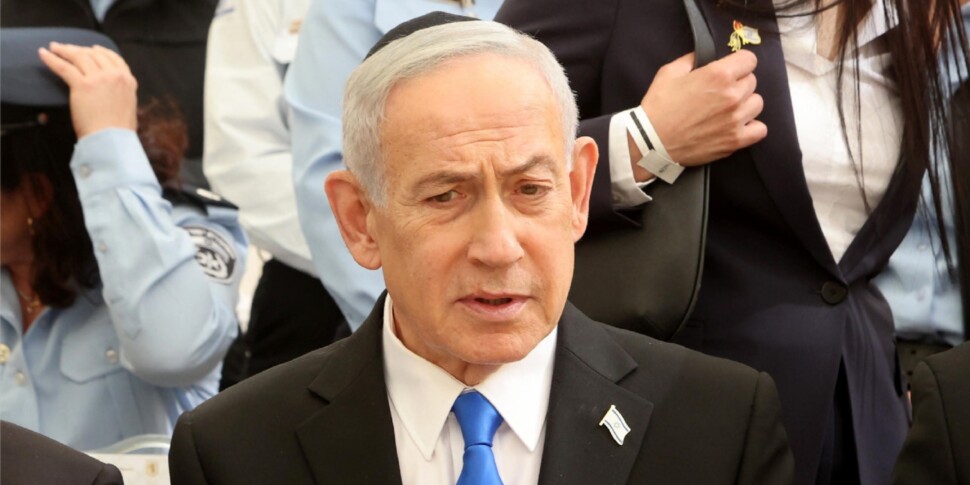
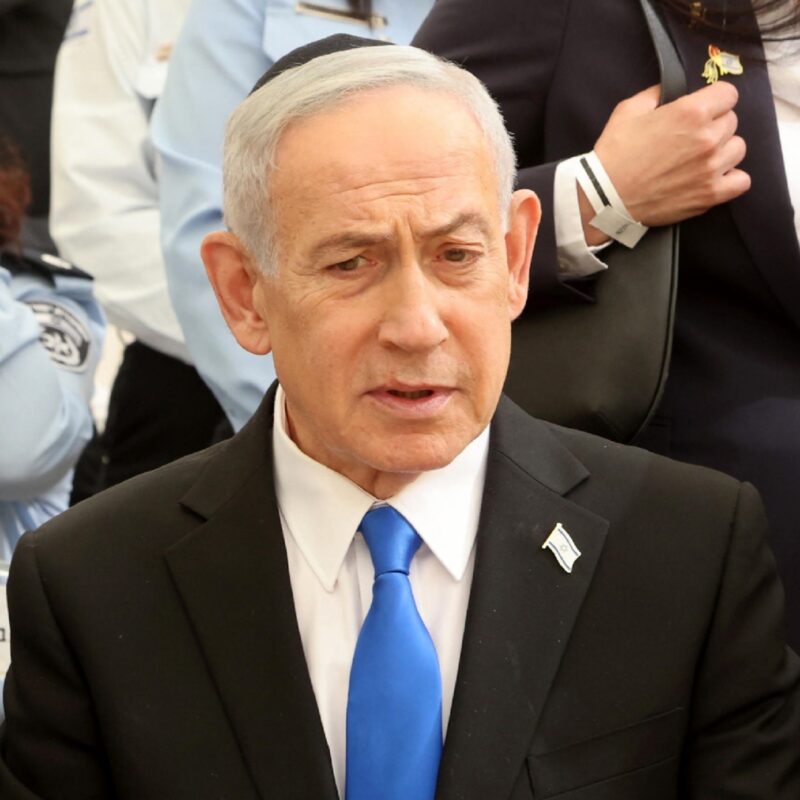
Netanyahu clarified the Israeli position in a new statement to the media: “We will not tolerate a Turkish military entrenchment advancing southward, because this threatens us.” The prime minister also explained that Israel had initially warned Ankara “in general terms” and that, having not received responses deemed sufficient, he would then “make sure they understood it more clearly”.
A few hours earlier, Israeli Defense Minister Israel Katz had also attacked Turkish President Recep Tayyip Erdogan, accusing him of dragging Ankara into “dangerous adventures” in Syria.
Ankara’s reply
The Turkish response came from presidential spokesperson Burhanettin Duran, according to whom Netanyahu’s accusations were a reflection of his “political isolation”. Foreign Minister Hakan Fidan was along the same lines, claiming the “strong support” of Egypt and Saudi Arabia for Turkish policy in Syria and calling on Israel to “put an end to the reckless attacks”.
Damascus rejects the accusations regarding the hit base
Syrian Foreign Minister Asaad Shaibani, on an official visit to Pakistan, rejected the reconstruction according to which the Abu Dhuhur base, hit by the Israeli raid, was a Turkish military outpost. According to Shaibani, the ongoing work only concerned the restoration of the war-damaged airport, which was reportedly “almost empty” at the time of the attack.
Damascus, however, neither confirmed nor denied what was reported by Israeli media according to which Mossad chief Roman Gofman telephoned Shaibani on August 14, four days before the raid, to discuss the Turkish military presence in the country.
The Syrian minister himself admitted the visit of Turkish officials to the base a few days before the attack, describing it however as part of a cooperation comparable to that maintained with other countries, including Saudi Arabia, Jordan, Qatar and Russia.
Syrian soldiers expected at the base after the raid
According to a version reported by the pro-government media in Damascus, over 200 Syrian soldiers should have reached the base thirteen hours after the raid, with the aim of deploying drones and air defense systems in an anti-Islamic State function. A reconstruction which, if confirmed, would at least partially strengthen the position supported by Ankara.
Meanwhile, pressure on Syria’s southwestern front remains high. The IDF Chief of Staff, Eyal Zamir, visited the Syrian area occupied by Israel, claiming the readiness of the armed forces “in all scenarios”.