

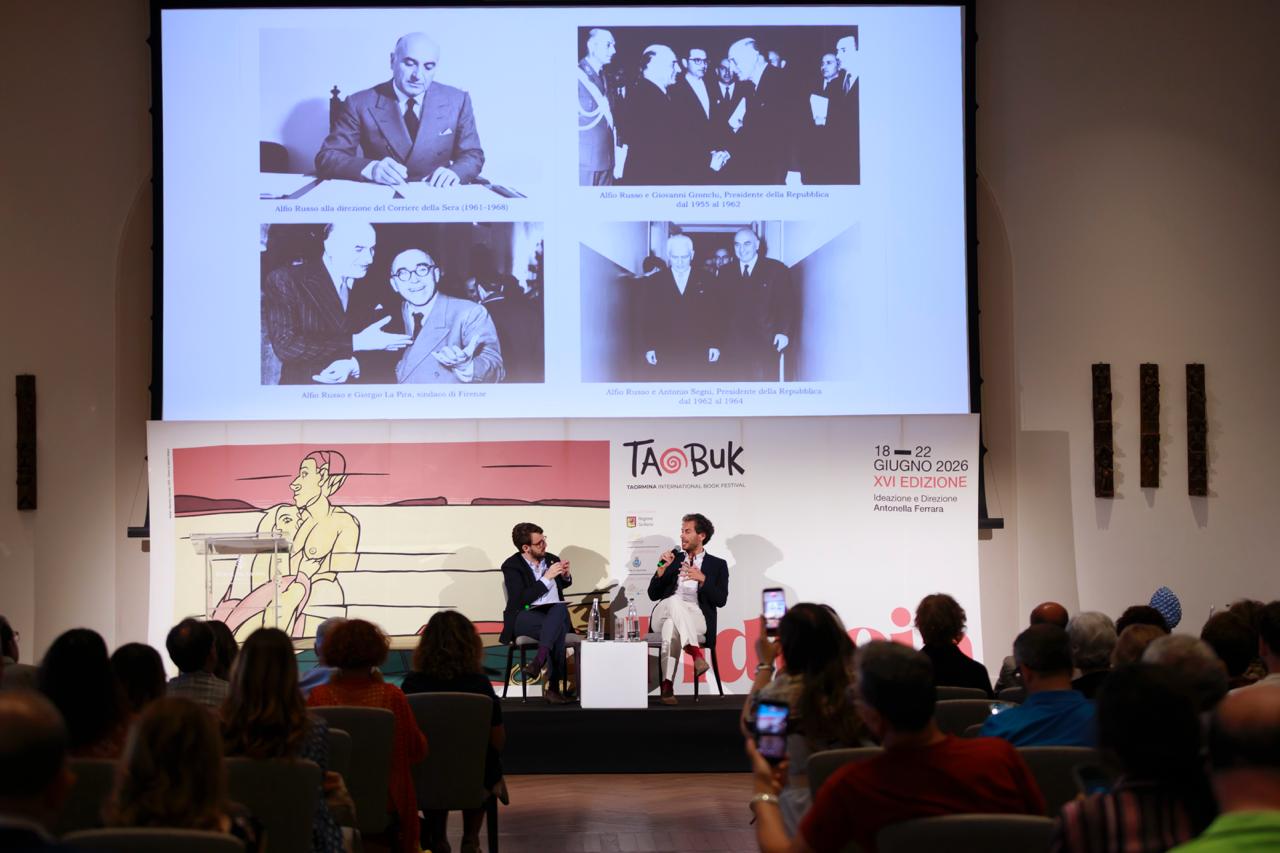
It is one of the most significant figures of twentieth-century journalism that Alfio Bonaccorso reconstructs in his new book “Alfio Russo. The Gran Siciliano at the direction of the Corriere della Sera” (Carocci), presented in recent days for the first time during the sixteenth edition of Taobuk. Published in the year in which the newspaper celebrates 150 years since its foundation, the volume, with a preface by Stefano Montefiori, brings to attention the Etna journalist who led the newspaper in via Solferino from 1961 to 1968. In dialogue with the journalist Andrea Cerra, the author retraced a narrative based on documents, testimonies and historical insights. The meeting was enriched by readings by Rita Re, artistic director of the Teatro Stabile di Mascalucia “Mario Re”. What emerged was the portrait of a rigorous and independent reporter, deeply linked to the values of institutions and democracy, and therefore dedicated to the renewal of information in the years of the economic boom and the great transformations of the country.
“Since the time of his editorship at ”Nazione” and then again in via Solferino – stated Bonaccorso – Russo has been an extraordinary innovator, capable of combining tradition and modernity. As director of Corsera, it was he who hired the first female editor, he who dedicated a column to readers and promoted young talents who will mark the history of journalism in the years to come, including Franco Di Bella, Alberto Cavallari and Piero Ottone”. “His greatest undertaking – he continues – obtained thanks to the support of the excellent and authoritative Emilio Cecchi, was to convince the elite of writers of the time to actively participate in the life of the newspaper: among them, Alberto Moravia who became an assiduous collaborator. Russo entrusted the best pens of the editorial team, whose leading exponent was certainly Indro Montanelli, with the task of conducting a series of serial investigations – the first to appear in an Italian newspaper – shining the spotlight on Italy which changed, from economics to industry, from politics to international relations”.
The director, born in Giarre in 1902, “was able to read – continues the author – many of the changes taking place without ever backing down in the face of the proud independence of the editorial line, even when his decisions cost the newspaper great sacrifices, which were then amply repaid by the support of the readers who supported, more than anyone else, Russo’s choices. These were also the years of the Vajont tragedy and Alfio Russo promoted a public subscription in the columns of the newspaper in support of the populations in difficulties.” “Russo – adds Bonaccorso – was a convinced liberal and Atlanticist, in a politically unstable era in which the first centre-left government in republican history came to the fore, arousing both hopes and concerns. Through unpublished correspondence and testimonies, the portrait of a director always interested in dialogue with his time, beyond any ideological fence, is given.
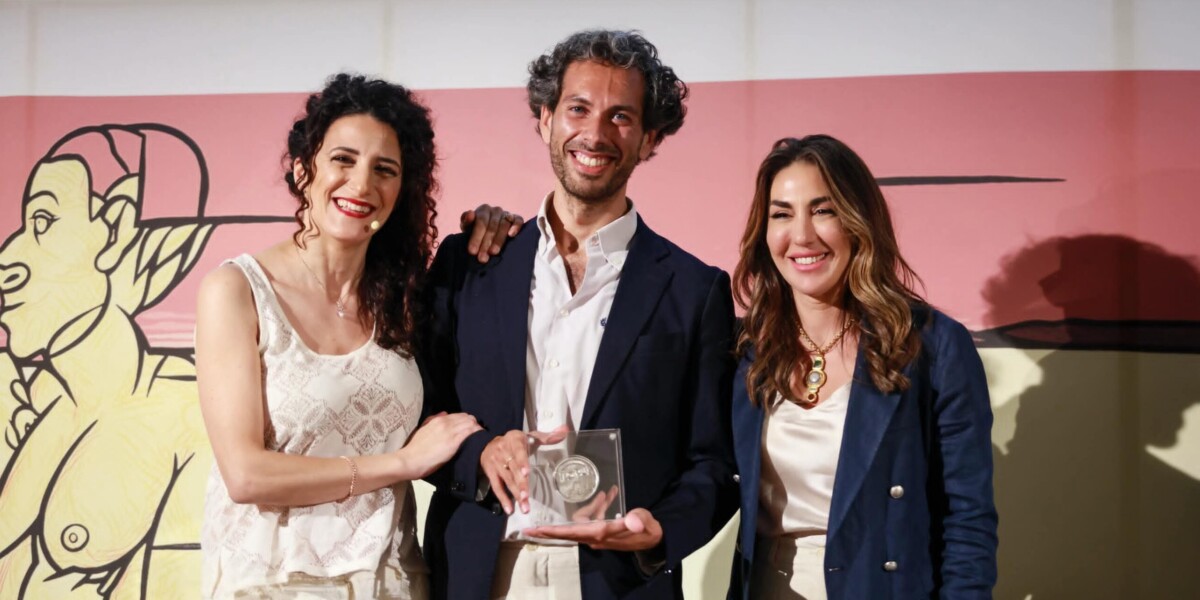
The volume is part of the research and dissemination path that characterizes the activity of Alfio Bonaccorso, a fine intellectual committed to the valorization of the great personalities of Sicilian culture and history. As in the previous “To Taormina. From Oscar Wilde to John Steinbeck” (Giulio Perrone Editore, 2025), dedicated to a city that is a symbol of Mediterranean culture and to the protagonists who fueled its international myth, Bonaccorso confirms the ability to combine documentary rigor and narrative sensitivity, restoring important figures and events to the collective memory. His job goes hand in hand with his activity as a cultural operator, which he carries out at the top of Taobuk as executive director. The final moment of the presentation was particularly significant, marked by the awarding of the prestigious Taobuk Award to the author. It was delivered by Antonella Ferrara, president and artistic director of the Festival, who also wanted to underline the path shared with her friend and collaborator in the construction of one of the most important cultural events in the Mediterranean, such as Taobuk. A recognition that seals a long and fruitful intellectual partnership, from which every year comes a program full of content, perfectly harmonized and with attention to every detail.