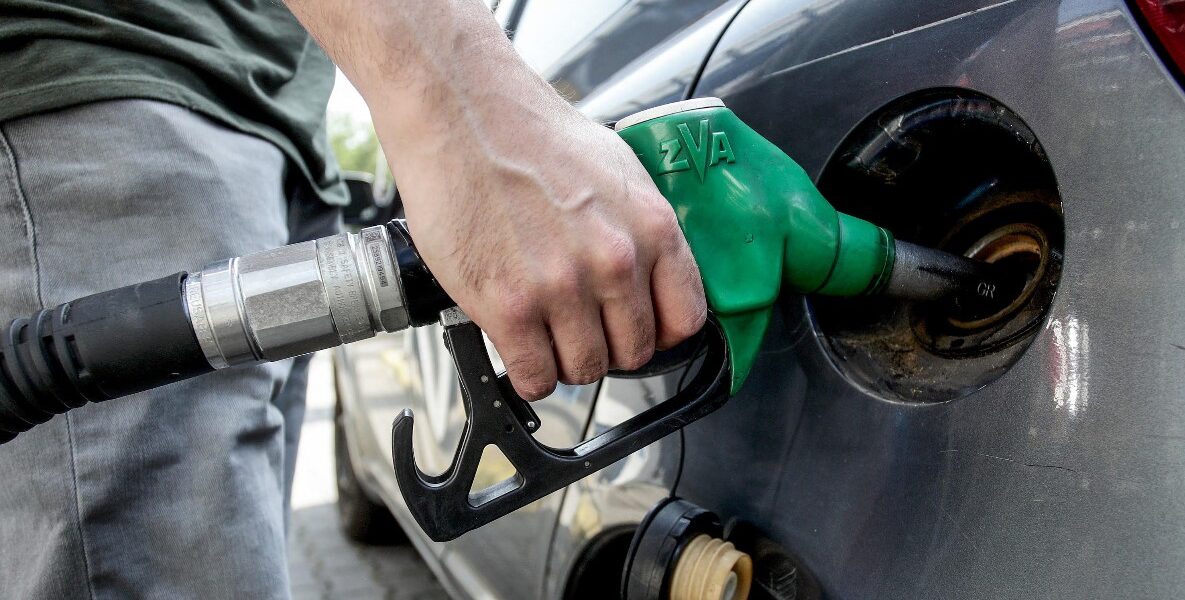
The Government is ready to further cut excise duties, probably extending the 17 cents per liter discount on diesel which expires today. Palazzo Chigi is preparing a new measure for the next few hours. The announced orientation is to intervene with greater attention on the lower income groups. The discussion on (minimum) advantages, however, cannot be reduced to state accounting. A further extension will not solve the problem. It can soften the blow, sure, but it can’t erase the wound. And above all it cannot become the permanent answer to an energy market exposed to international crises.
The issue, in Calabria, is even more evident because family budgets are increasingly under pressure. Here the full tank is an essential item in domestic budgets because the private vehicle is used to go to work and the more expensive petrol becomes a tax on the very possibility of moving. According to the most recent data from the Department of Finance, the average declared income in Calabria is 19,020 euros, the lowest among the Italian regions, compared to a national average of around 25,820 euros. There is a difference of almost 7 thousand euros: a gap that reduces the ability of families to absorb the increase in costs. And the car, especially outside the large centres, continues to represent a necessity rather than a choice for many Calabrians simply because the alternative of public transport either isn’t there or isn’t equally convenient.
The most concrete reflection of the crisis thus comes from the fuel stations. According to the Mimit Price Observatory, yesterday in Calabria the average price of self-service diesel was 2.152 euros per litre, that of petrol was 2.034 euros, with significant differences between provinces and distributors.
The full article is available in the print and digital editions