

Add the Gazzetta del Sud as a source
Glimpses open for the Strait of Hormuz. The United States and Iran could reach the long-awaited agreement within a few hours for its reopening together with guarantees on freedom of transit for commercial ships, including oil tankers. The announcement by US Treasury Secretary Scott Bessent, made surprisingly shortly before the opening of Wall Street, first caused crude oil prices to collapse by more than 5% and then pushed US stock prices to test new records.
“We are in negotiations with the Iranians. There is the possibility of reaching an agreement today or tomorrow to open the Strait and move towards a more normalized situation in this conflict”, Bessent observed in an interview with CNBC, excluding the possibility of a toll. “It would be about freedom of transit. Although the situation in the area has been rather uncertain in recent days, we have seen several ships leaving recently as well,” he noted. The latest developments, with the hopes of a real turning point, have developed in the aftermath of President Donald Trump’s new outburst towards Tehran, this time with accusations of “duplicity” in the face of the lack of Iranian confirmation on the ongoing negotiations, which the tycoon reiterated are underway. It was in fact the negotiating path, supported by Gulf allies and mediators, that pushed the president to stop a new round of heavy military attacks against the Pasdaran over the weekend.
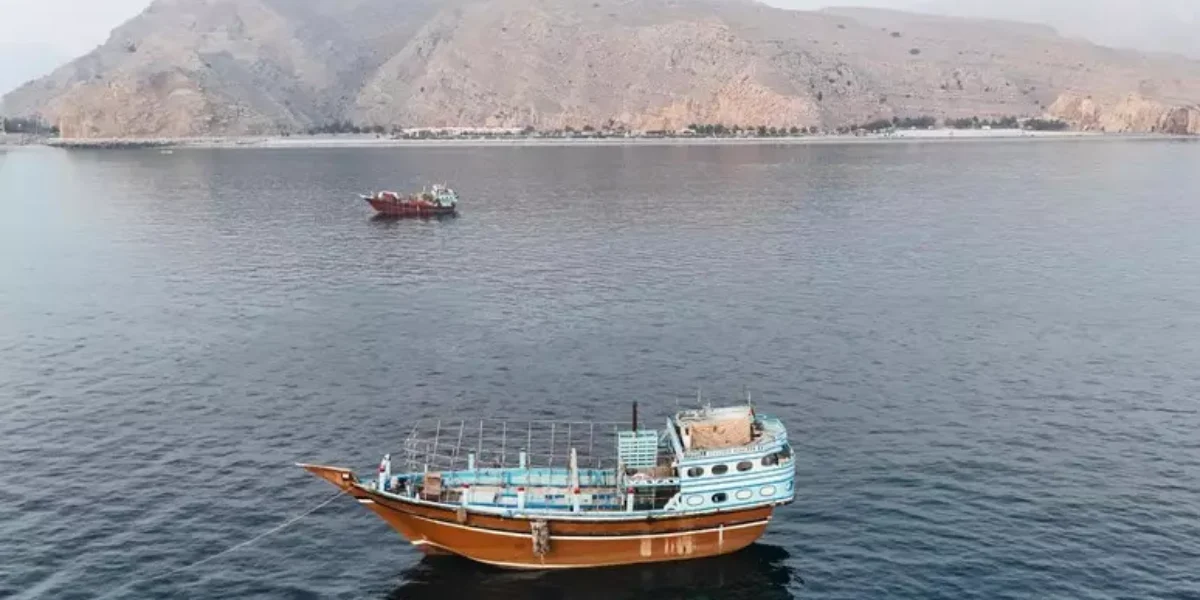
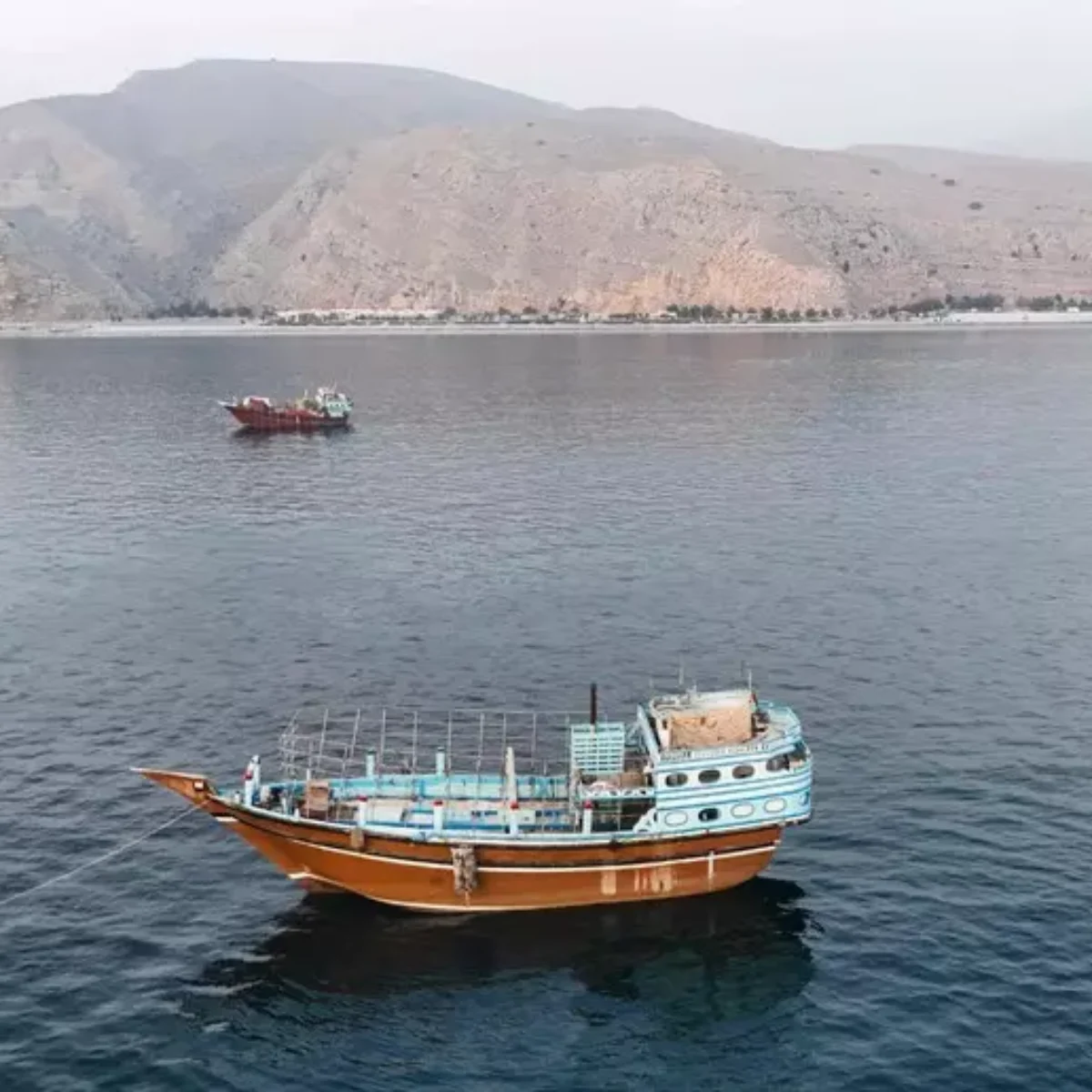
The diplomatic confusion was also heightened by the attack on a merchant ship near the Omani coast of the strait, as reported by the United Kingdom Maritime Trade Operations Centre, run by the British Navy which helps protect maritime traffic in high-risk areas. “They’re asking for a meeting, some would say ‘begging,’” Trump attacked on Truth. “The talks have begun, with others scheduled shortly, and they state, openly and proudly, that they are not in negotiations, that they are not discussing anything and that they are only dealing with Oman”, added The Donald, expressing all his intolerance towards an increasingly complicated situation.
Qatar, one of the mediating countries, confirmed that efforts towards a diplomatic solution to the Iran-US conflict are continuing, but with no direct talks planned between the two sides, according to a Foreign Ministry spokesperson.
While Secretary of State Marco Rubio tried to provide some clarity, within the limits of the variables in play: “There is a dialogue in the negotiations we are involved in between Oman and Iran on how to allow more ships to cross the strait safely in the short term, as we move towards long-term nuclear talks. Progress has been made, but no conclusion has yet been reached.
“We hope it will be finalized very soon.” Rubio assured that “there are ships transiting through the strait and oil is passing through. The strait is open.” Direct contact, therefore, is between Oman and Iran, whose Foreign Ministry spokesperson Esmaeil Baghaei declared – according to state media – that the talks were “positively evaluated at both a technical and political level”, while Tehran works on the development of “mechanisms” necessary to manage traffic in the strait. While Centcom’s anti-Iran naval blockade continues (“as of August 4, US forces diverted 45 commercial ships, rendered two harmless and boarded two others”) and towards which the Pasdaran threatened military action, the Houthis, Iran’s allies in Yemen, claimed responsibility for the attack against the Saudi airport of Najran, “a sensitive target” hit by a drone. And, in the evening, news arrived of another attack, with a missile, on an Indian cargo ship in the Red Sea, off the coast of Yemen, which was “sunk”, as announced by the Foreign Ministry in Delhi.