

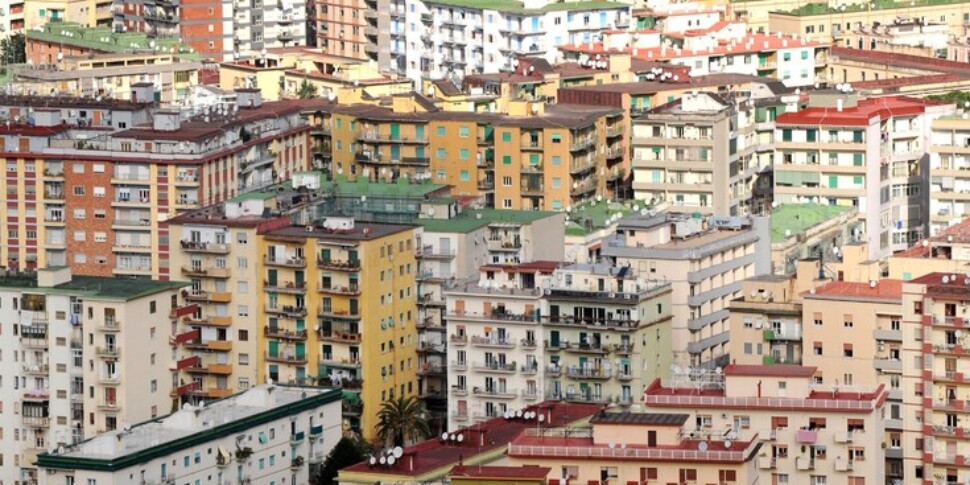
Buying a house is now a luxury that less and less Italian can afford, with prices in the real estate sector, splashes even more to the stars and growing even in 2025. Data in hand, to buy a home nowadays 16.1% more than 2019 is spent on average. And for a worker, on average, 11 years of salary is not enough to buy an 80 -meter apartment paintings. The framework emerges from a study conducted by the consumption training and research center (CRC) in collaboration with Assoutenti. The investigation compares the prices of homes in the main Italian cities, highlighting very strong differences in the area. Milan turns out to be the most expensive municipality, with over 5,400 euros per square meter and the dream of having an increasingly prohibited home. Florence follow (4,365 euros) and Bologna (3,566). Among the large cities, the cheapest are to date the municipalities of Perugia (1,299 euros) and L’Aquila (1,451 euros), while Trieste is the city where, compared to 2019, prices increased more, with a growth of 50 % in six years. Among the large municipalities monitored, only Genoa records a decrease in the cost per square meter, with -3.7% on 2019. The research analyzes in particular the number of salaries necessary for the purchase of a property depending on the professional category of the buyer.
According to projections based on average net wages in Italy, if a worker is needed 11.6 years of salary to cover the expenditure relating to the purchase of an 80 -meter home, to an employee it takes 9.7 years, while a Manager 4 years. Also in this case the differences in the area are very large: in Milan a worker must take into account 23.3 years of salary to buy a house, in Florence 18.8 years, in Bologna 15.3. “In some cities to buy a house it has become prohibitive if not impossible, unless you have huge capital,” says the president of Assoutenti, Gabriele Melluso, explaining how the real estate market is characterized by a strong imbalance between supply and demand. This, especially in some municipalities, “leads prices to rise to the stars, while in other cities we witness the transformation of the properties previously intended for residential use into accommodation facilities for short rents, fueling the housing emergency with direct effects on purchase costs of homes ».