

Add the Gazzetta del Sud as a source
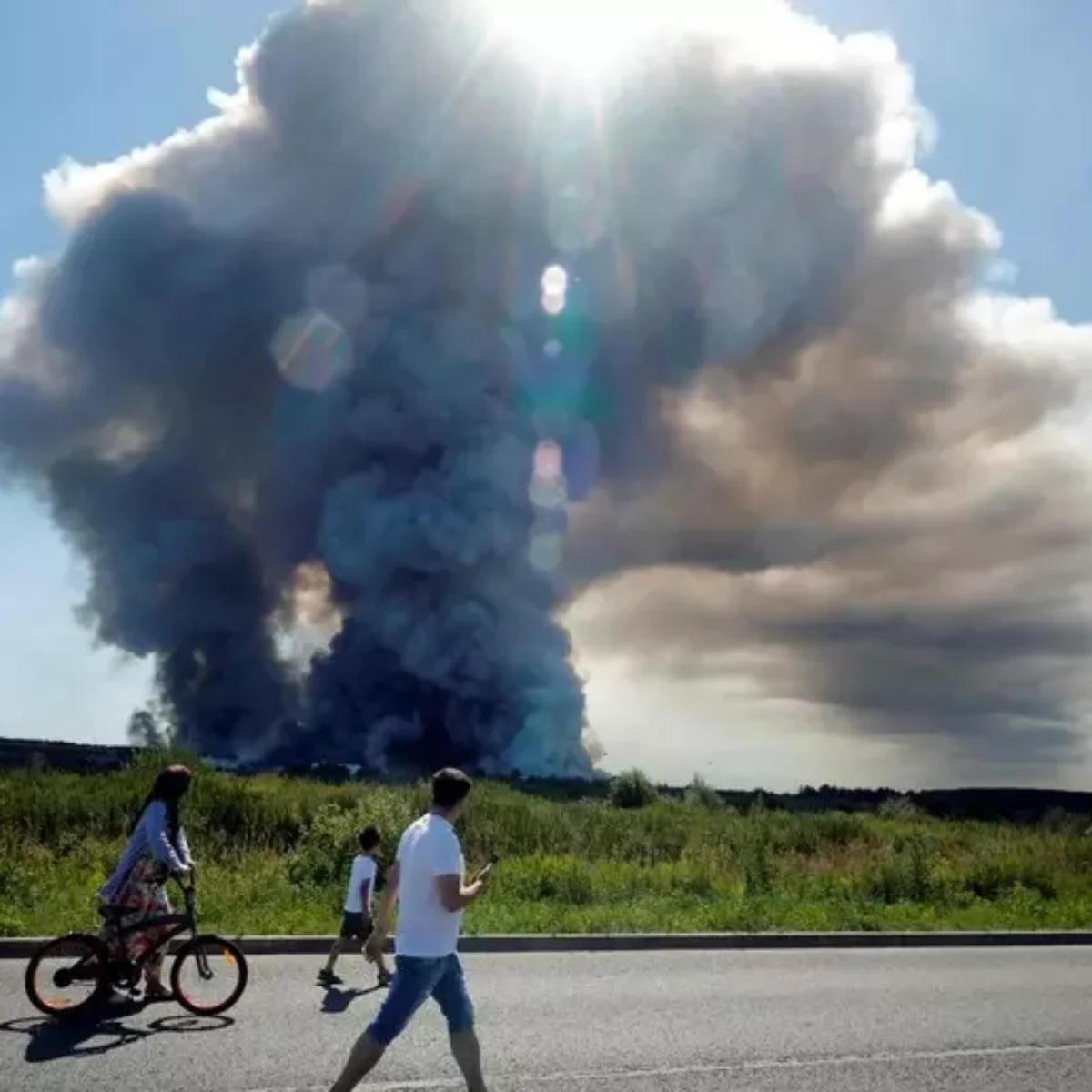
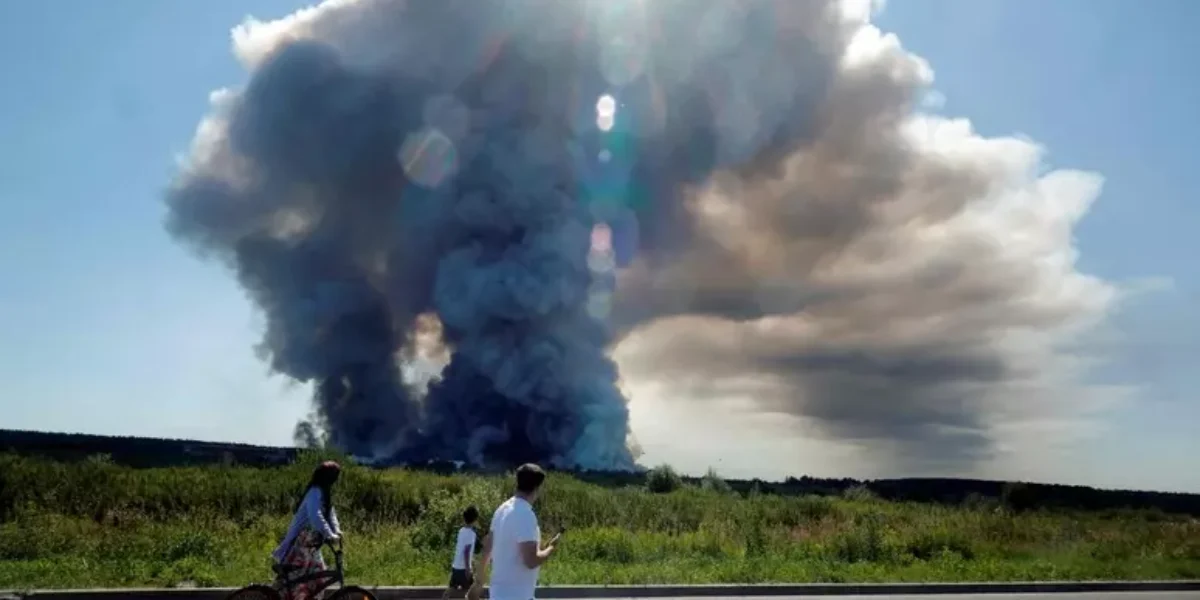
The Wildberries warehouse in St. Petersburg, Russia, is on fire following a drone attack. As reported by Ukrinform, the news was spread by Astra’s Telegram channel.
“The Wildberries warehouse in St. Petersburg was attacked and is burning in the Leningrad region this morning,” the report reads.
Residents of St. Petersburg and the region reported explosions, and the governor wrote about downed drones. Subsequently, a large fire broke out. This warehouse is located just outside the administrative borders of St. Petersburg and is often called the “St. Petersburg Wildberries warehouse” because it serves the city.
New package of EU sanctions on Russia
The EU launches a new package of sanctions against Moscow, the 21st. After 45 days of negotiations and quite a few disagreements, this time not on the Hungarian side, the member states have given the green light to a substantial package of measures that affect the sectors with the highest impact such as energy, banking and infrastructure. In addition to the addition of 218 new entries to the blacklist, including natural persons and legal entities, the highest number since the beginning of the war. The approval came at the last minute, a few hours before the extension of the price cap on Russian oil expired. With the price of Urals crude oil skyrocketing to 65.3 dollars, which would have led to an automatic adjustment of around 58.5 dollars, the EU decides to leave the ceiling unchanged at 44.7 dollars until July 2027: a blow that will cause the Kremlin to lose 3.5 billion euros over the 12 months. The measures affecting finance include transaction bans for 33 banks, restrictions on 14 crypto platforms and 218 new designations.
On the energy front, the main source of revenue to finance the war of aggression against Ukraine, once again the shadow fleet comes into focus, as well as ports, airports and refineries. Another 41 ships join the 632 already sanctioned. On LNG, Greece obtained a one-year exemption for transfers to third countries carried out by European operators. Athens argued that without the exception, European LNG tankers would have switched to Chinese operators without reducing Russian flows. The exemption applies only to contracts prior to February 24, 2022 and for volumes not exceeding those of 2025; any extension will require unanimity. Imports of Russian LNG into the EU remain banned, while temporary exemptions are also provided for Japan and South Korea. Numerous Russian ports and airports have been included in the transaction ban, which is also extended to oil refineries, including the Georgian Kulevi plant. However, the ban on the import of pollack, the Russian cod intended for the processed products industry, which saw opposition – among others – from Portugal, Germany and France, did not pass through the forks of unanimity.
Among the individual sanctions, not everyone supported the proposal to blacklist Patriarch Kirill, head of the Russian Orthodox Church, either this time. The issue of the visa ban for former Russian fighters deserves a separate chapter, a topic dear to the Baltics and the countries of North-Eastern Europe but which has seen many reservations on the part of Italy and France. The measure was adopted only in principle but in fact postponed pending implementation provisions from the European Commission, which should arrive by October. The issue of compatibility with the regulatory framework of visas and Schengen rules had been raised in many quarters.
Rome rejects the accusations of having gone against it. «Italy has contributed to making the measure more targeted and effective, avoiding indiscriminate effects. From a technical point of view, the proposal appeared disproportionate”, reports a diplomatic source, specifying that Rome’s position was not even aimed at protecting tourism, as Russian presence in Italy today is marginal, representing only 0.5%. Setbacks that do not affect the overall scope of the measures while Kiev is giving good results on the battlefield and Moscow is struggling to maintain high consensus and economic sustainability. “At a time when Ukraine has gained momentum on the military front, our sanctions continue to weaken the economic foundations of the Russian war effort,” comments the President of the European Commission, Ursula von der Leyen. Having brought home the 21st package, the EU executive assures that “the work continues” citing only “further measures that can be adopted in future packages, but also any gaps”. But the more sanctions go forward, the more complex the approval process risks becoming.