

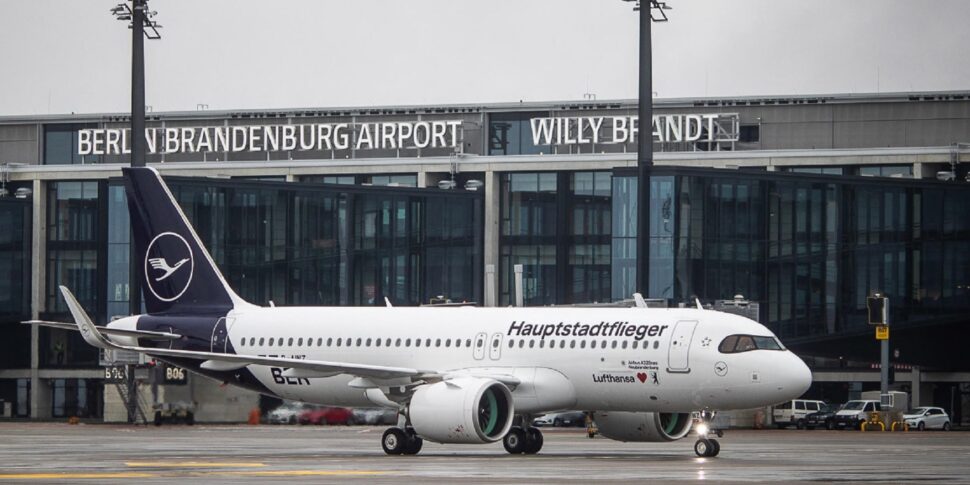
A computer attack sent three large European airports at the same time and caused delays and cancellations of hundreds of flights. The Scali of Brussels, London Heathrow and Berlin who lived a day of inconvenience for the intrusion in the passenger check-in software provided by Collins Aerospace, who works on various airlines at airports around the world, ended up in the sights.
The attack raised concerns about the robustness of the systems underlying critical infrastructure in Europe.
“We are aware of an IT interruption of our Muse software in different airports,” said RTX, owner of Collins Aerospace, adding that the impact “is limited to the electronic check-in of customers and to the delivery of luggage”. Muse, the affected software, allows various airlines to use the same check-in banks and boarding gates in an airport, instead of having their own.
Brussels airport explained that a computer attack, which took place last night, forced passengers to check in and the boarding operations manually. The same problem also at Berlin Brandburg airport, which has reported longer waiting times than usual.
The BBC reported that British Airways operates normally using a backup system, but that most of the other airlines with flights to Heathrow have been affected.
According to the FlightWare air monitoring site, hundreds of flights were delayed throughout the day. The European Air Security Agency, Eurocontrol, asked the air operators to erase half of their flights to and from the London airport between the 4:00 GMT (6:00 in Italy) on Saturday and 2:00 on Monday (4:00 in Italy), due to the discomfort.
Dublin Airport said that, together with Cork’s, it has undergone a “minor impact” with some airlines that have implemented manual check-in.
Italy was not affected directly and only a few flights from Fiumicino and Ciampino airports have undergone content delays.
The action has not been claimed and the Collins Aerospace did not provide an official version of the incident. It is still too early to find out who is hidden behind this last attack. Some IT security experts hypothesized that it is a ransomware attack, but it is important to emphasize that these attacks can also be perpetrated by actors sponsored by states.
More than once, the suspicions have fallen on Russian or Chinese hackers. But all the main computer attacks of the last few years have been perpetrated by criminal gangs more interested in extorting money to their victims, notes the BBC.
According to Graeme Stewart, head of the public sector at Check Point, the return to normal at the airports could take days because a “domino effect” will occur.