

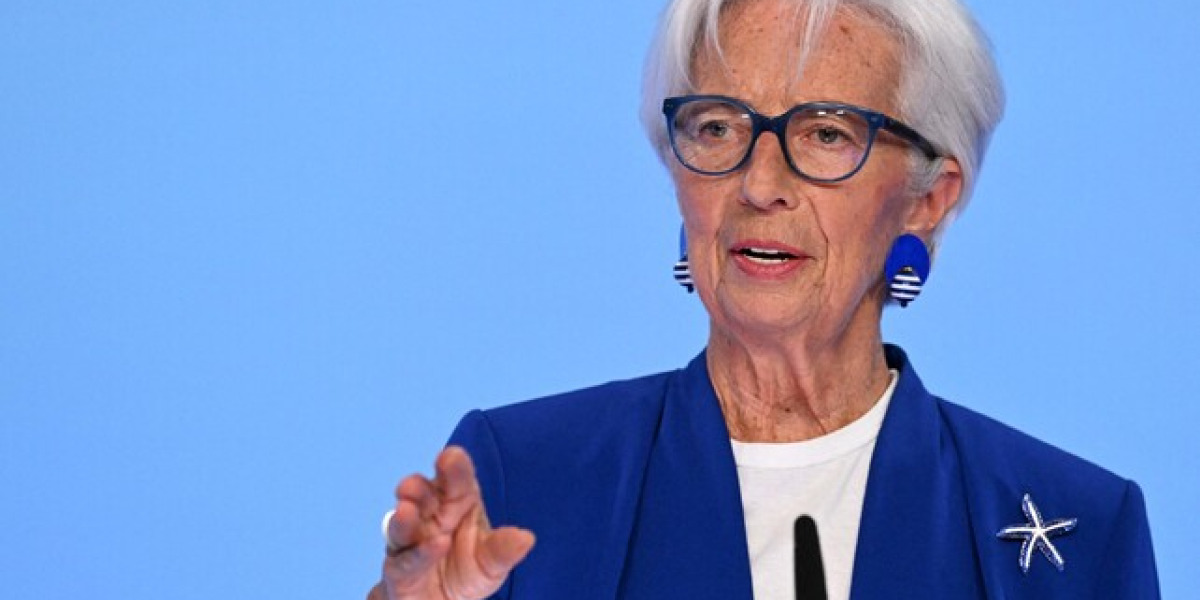
The resumption of hostilities with Iran, oil started to rise again and with it inflation. It is one of the topics on the table of the visit, which unexpectedly appeared on the ECB’s weekly calendar, which Christine Lagarde will make to Washington this week, meeting Fed President Kevin Warsh on Monday and Treasury Secretary Scott Bessent on Tuesday.
The ECB makes no comments, while it transpires that – as expected – developments in the global economy will be on the table for talks. The quick visit to Warsh sounds like a follow up to the meeting we had in June at the ECB symposium in Sintra, Portugal. But there is no shortage of hot topics: the risk of a new escalation and its impact on inflation and growth. The financial markets have held up so far but with risks of violent corrections around the corner. Monetary policy choices, with the euro recently falling to 1.14 dollars, and the challenge of artificial intelligence, where powerful newly introduced models such as Mythos by Anthropic have pushed the ECB to launch a cyber security alert for banks.
Iran itself, between attempts at negotiation and the resumption of bombings in recent days, is at the center of attention of the markets, which will evaluate the impact on US inflation next week, as well as listening carefully to Warsh’s two testimonies to the US Congress on Tuesday. Once the truce is over, the central banks just have to acknowledge that oil is back in high tension. With spot prices again above futures, operators are now predicting a new ECB rate hike within the year at 90% (from 50%). And they are discounting not only a 100% tightening by the Fed, but also a second increase in American rates to almost 50%: the data arriving on Tuesday on US inflation in June, expected to slow down slightly from 4.2% in May which had marked a three-year high, could be decisive for stock markets and bonds.
In the middle of summer, this picture corroborated by IMF estimates of global growth of just 3% is worrying. With the return of tensions on the Strait of Hormuz, “the US ten-year bond is once again close to that critical threshold of 4.60% which last year, in May, brought Trump’s ‘Taco’, who softened on the duties citing the fear that the bond market could bring too high costs for the US public debt”, says the chief global strategist of Sella srg Antonio Cesarano in his podcast ‘Pausa Caffé’. Eyes also on the growth side: Thursday is the turn of US retail sales, Friday of industrial production, two key pieces to understand the evolution of GDP in the expected weak second quarter, at 1.3% annualized. The season of US quarterly reports comes into full swing next week with big banks such as Goldman Sachs, Bofa, Citigroup, Weells Fargo and JP Morgan, but the spotlight is also in Europe on the accounts of Asml (Wednesday) in Taiwan on Tsmc (Thursday) to evaluate the sustainability of the maxi-demand for microchips to power AI.