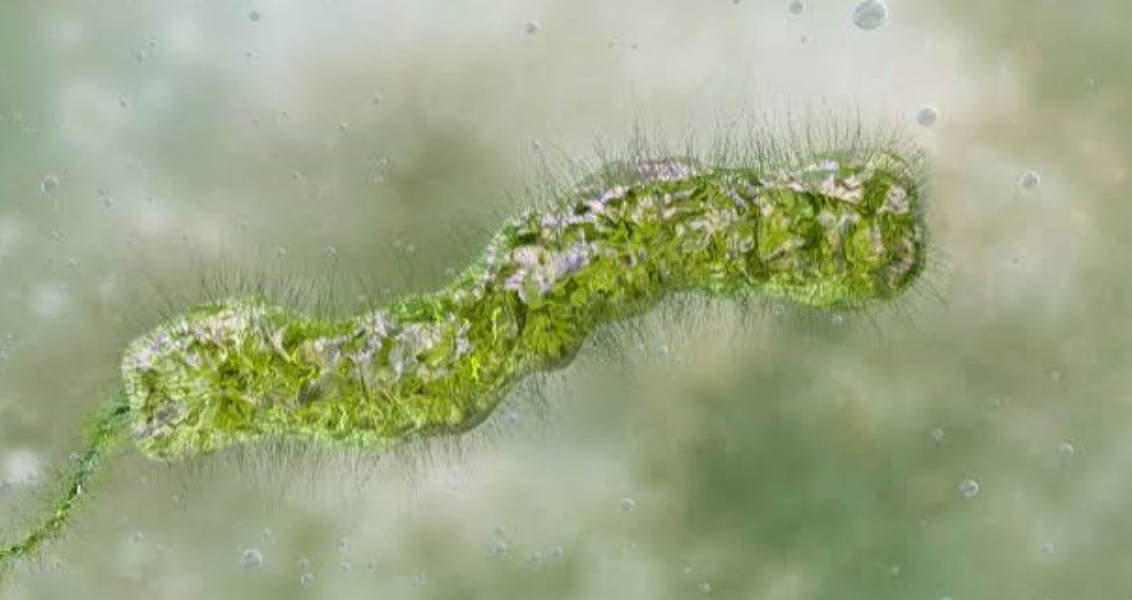
«The risk of contracting the “Vibrio vulnificus” infection in Italian waters is extremely low, despite the fact that traces of the bacterium have also been found in our country in the past». This was clarified by the Higher Institute of Health, which defuses the possible alarmist drift relating to the spread of the so-called “flesh-eating bacterium” which, in reality, is part of the “Vibrio” species. It is a pathogen that has come under the international spotlight following news from the US reporting some victims in Florida.
In 2005 the University of Messina dealt with “Vibrio vulnificus”, ascertaining its presence in the waters of the Strait, between Sicily and Calabria. In these 21 years there have never been any cases of serious infection caused by the bacterium. The transmission of this pathogen can occur through the consumption of contaminated foods, especially seafood, causing gastrointestinal symptoms that can be easily resolved without treatment, or through the exposure of open wounds to salty/brackish waters. «The risk – highlights the Higher Institute of Health – can be further reduced by avoiding bathing with open wounds, caution to always use, especially if you are in a state of compromised immune system, and by adopting nutritional precautions also valid for various other pathogens, avoiding the consumption of raw or undercooked seafood».
Last July, the ECDC, the European Center for Disease Control, launched an “alert” on the possible increase in bacterial infections, especially indicating the areas of the Baltic and the Black Sea as those most at risk. But the ECDC has always reassured about the situation of the Italian seas with the latest weekly bulletin (1-7 August 2026), which underlines how, “although climate changes and the progressive warming of the waters are actually favoring the proliferation of this pathogen”, Italy is not currently considered “an exposed area”.