

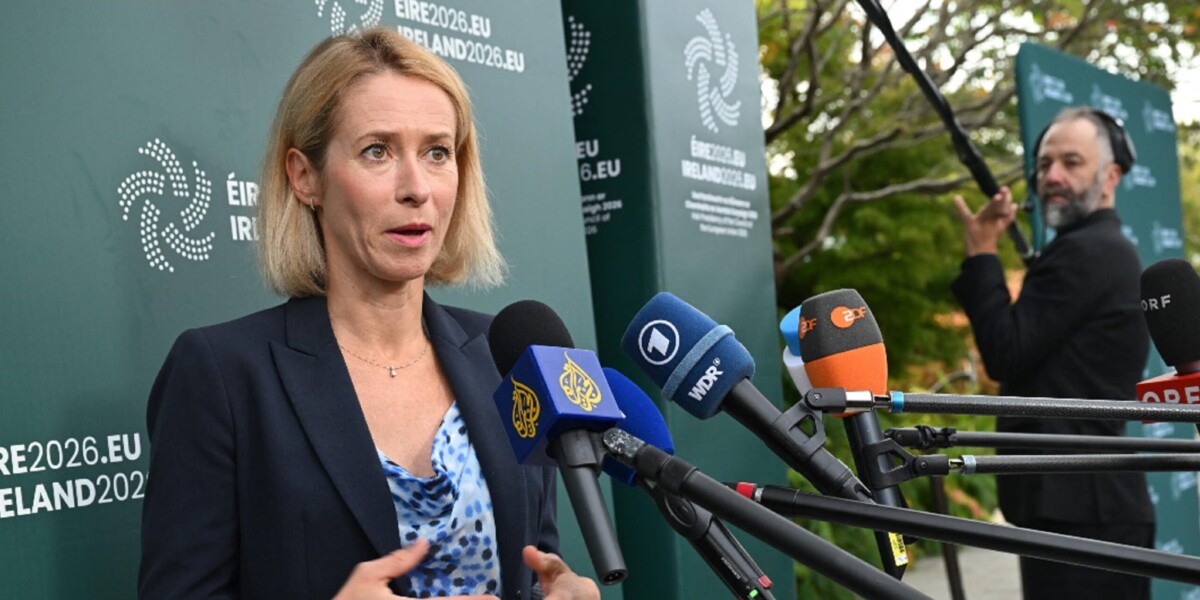
The hybrid attacks that are multiplying in Europe may push us to tighten the deadlines for new sanctions on Russia. This was said by the EU High Representative for Foreign Policy, Kaja Kallas, in the press conference at the end of the informal meeting of Foreign Ministers in Wicklow, Ireland. “Seeing these hybrid attacks across Europe – he said – I think they can give a wake-up call to countries that perhaps have not shown themselves to be so determined on this front.”
New additions to the blacklist
The reference is to the package of measures being prepared against Moscow. «We started with a limited number of new additions – explained Kallas – but the Member States have proposed many more. Obviously you have to check that everything is legally in order and this takes time.”
What are hybrid attacks
Hybrid attacks refer to hostile actions that remain below the threshold of open armed conflict and which focus on the difficulty of attributing responsibility with certainty: sabotage of infrastructures, arson, cyber attacks, disturbance of satellite signals (the so-called jamming of the GPS), unauthorized drone overflights, disinformation campaigns, recruitment of local criminal labour. According to the Munich Security Report 2026, between 2022 and 2025, around 150 episodes attributable, with varying degrees of certainty, to a Russian hybrid campaign occurred in the European Union and NATO.
The most recent case is that of Leipzig airport, where on 7 August a drone loaded with explosives was found near a Ukrainian plane: on 1 September the German government formally accused Russia and ordered the closure of the Russian consulate in Bonn. Moscow has always denied any involvement in the actions attributed to it.
«Taking efforts to a new level»
Kallas finally relaunched the appeal for the unity of the Twenty-Seven on the Ukrainian dossier: «If we want to put an end to this war, we must all concentrate our efforts and take them to a new level».